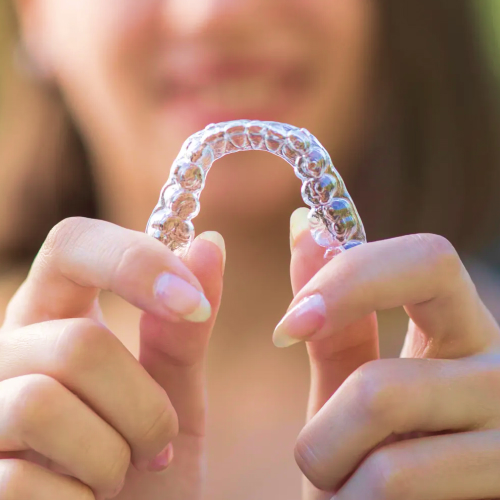
Invisalign and Braces Quotes: What Those Numbers Actually Mean
Wondering if your Invisalign or braces quote is fair? Learn what costs really mean. Book a consultation with Nu Dentistry Spring today!
Read More
Medically Reviewed by Dr. Ali Tameemi
Both braces and Invisalign deliver clinically comparable results for most adults, but the right choice depends on your biology, lifestyle, and case complexity — not just aesthetics. This guide cuts through the noise so you can walk into your consultation already knowing the right questions to ask.
Most comparisons stop at "wear them 22 hours a day." That advice is technically correct and practically incomplete for anyone running a business, presenting to boards, or entertaining clients. For Spring-area patients, managing these logistics is the key to success.
Here's what that actually looks like on a corporate day. You wake up, eat breakfast, and brush — trays go back in by 7:30 a.m. A 90-minute lunch meeting means trays out at noon, back in by 1:30 p.m. A two-hour keynote at 3:00 p.m. puts you at roughly 3.5 hours of removal. Add a client dinner from 7:00 to 10:00 p.m. and you've burned your entire daily allowance before dessert arrives. One day like this per week won't derail your treatment. Two or three per week absolutely will.
Speech is the other issue professionals underestimate. Aligners create a mild lisp during the first week of each new tray. For most people, this fades within a few days. But during a long presentation, "speech fatigue" — the subtle slurring that develops when your tongue works harder than usual against plastic — is real. Traditional dental braces don't carry this specific risk because they don't cover the tongue-contact surface of your teeth.
That said, Invisalign's removability is a genuine advantage for social hygiene. A Healthline overview on aligners vs. braces notes that aligners can be removed for meals, making them safer for people managing existing gum disease or cavity risk. Removing trays at a restaurant is manageable — excuse yourself briefly, use a napkin discreetly, and store them in the case your provider gives you. The case should always be in your pocket or bag. Never wrap trays in a napkin; that's how they get thrown away.
Comparing treatment speed based on the appliance alone misses the more important variable: your bone.
Adult bone is denser and less metabolically active than a teenager's. The cells that break down bone on one side of a moving tooth (osteoclasts) and rebuild it on the other (osteoblasts) work more slowly in mature tissue. This biological "speed limit" means that pushing teeth too fast — regardless of the appliance — increases the risk of root resorption, a shortening of tooth roots that can compromise long-term stability.
Braces apply continuous, constant pressure. Aligners apply intermittent pressure — force resets slightly each time you remove and reinsert the tray. Neither approach is universally superior for adults, but the distinction matters in specific clinical contexts. Adults with a history of periodontal disease, thin gingival biotypes, or bone loss may actually be better served by the slower, more controlled torque that well-adjusted braces provide, even though the timeline is longer.
Research published in PMC found that Invisalign averaged 18 months versus 24 months for traditional braces — a meaningful difference on paper. But those averages reflect compliant patients with mild-to-moderate malocclusions. Complex adult cases routinely exceed both estimates. An honest provider will give you a range, not a fixed date, because your physiology is a co-author of the treatment plan.
The binary framing — braces or Invisalign — doesn't reflect how experienced orthodontists actually approach difficult adult cases.
Some presentations are genuinely better handled in phases. Significant rotations, partially impacted teeth, or severe crowding often require the precise three-dimensional control that fixed appliances provide. Aligners are geometrically limited in how they grip and rotate certain teeth, particularly premolars and canines. But once the heavy lifting is done, finishing with Invisalign offers real advantages: easier hygiene maintenance, fewer emergency visits for broken brackets, and a more comfortable final phase.
This hybrid approach — limited braces for four to six months followed by aligner refinement — is not widely advertised, but it's a legitimate clinical pathway. If you've been told you "aren't a candidate for Invisalign," it's worth asking whether a phased approach could change that answer. The answer is sometimes yes.
A Healthline article on Invisalign effectiveness acknowledges that aligner complexity has limits and that case selection significantly affects outcomes. That's not a reason to dismiss Invisalign — it's a reason to have a thorough case evaluation rather than a surface-level consultation.
For straightforward cases, the clinical outcomes are genuinely similar. A Cleveland Clinic-cited finding via Healthline on removable braces notes that a typical aligner course runs 12 to 18 months for mild adjustments — comparable to braces for equivalent complexity.
Patient satisfaction consistently favors Invisalign in head-to-head studies, but the reasons matter. The advantage isn't clinical superiority — it's comfort, aesthetics, and the absence of dietary restrictions. Adults who chose Invisalign report higher quality-of-life scores during treatment, not necessarily better teeth at the finish line.
Cost sits in a similar range for both options. A Healthline cost comparison on Invisalign puts Invisalign higher than traditional metal braces, with significant variation based on case complexity, provider, and location. In the Greater Houston area, those ranges hold broadly true. Insurance coverage varies; FSA and HSA funds can offset costs for either option.
The honest summary: braces give your provider more direct mechanical control, which matters most for complex cases. Invisalign gives you more lifestyle flexibility, which matters most for adult patients managing professional and social commitments. For mild to moderate malocclusions in compliant adults, the clinical endpoint is essentially the same.
The braces-vs-Invisalign decision isn't one-size-fits-all — and it shouldn't be made based on a quiz or a Reddit thread. At Nu Dentistry Spring, our team works with Spring and Greater Houston adults to evaluate case complexity, lifestyle factors, and biological considerations before recommending a path forward. Schedule a cleaning and exam consultation and get a clear, honest answer specific to your teeth — not a template.
Medical disclaimer: This article is intended for informational purposes only and does not constitute medical or dental advice. Always consult a licensed dental professional for diagnosis and treatment recommendations specific to your oral health needs.
Fresh news from the dental world
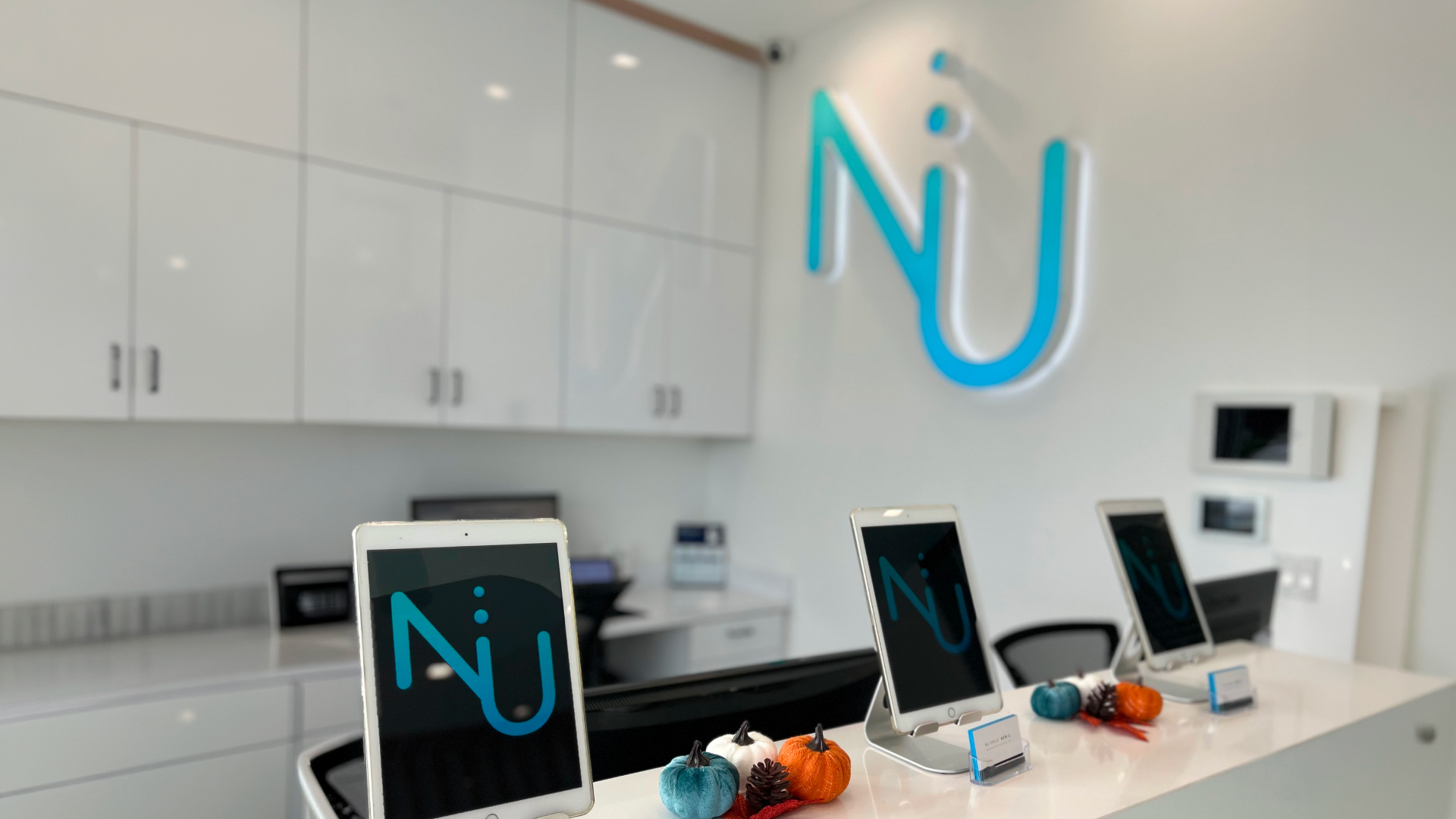
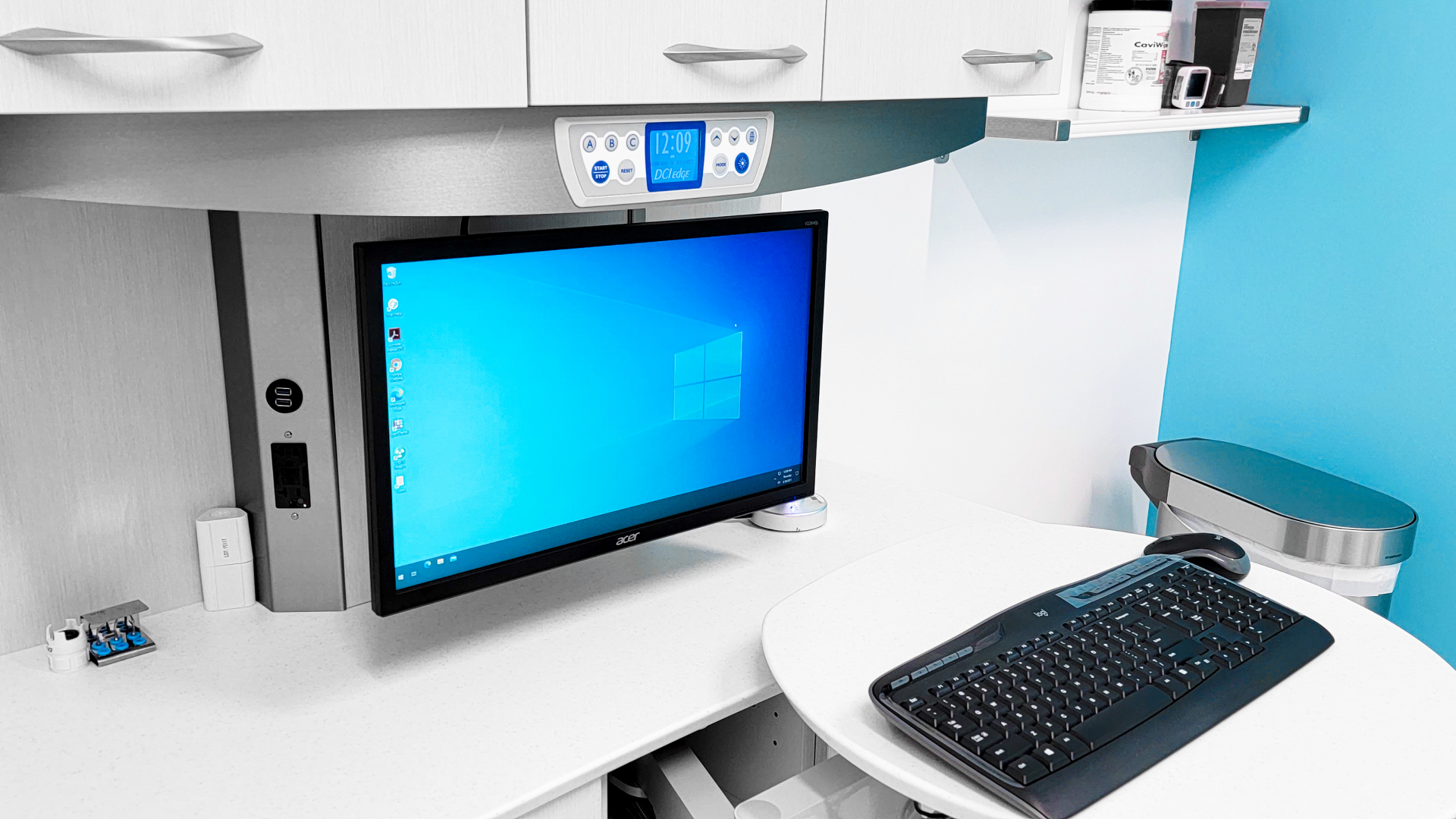
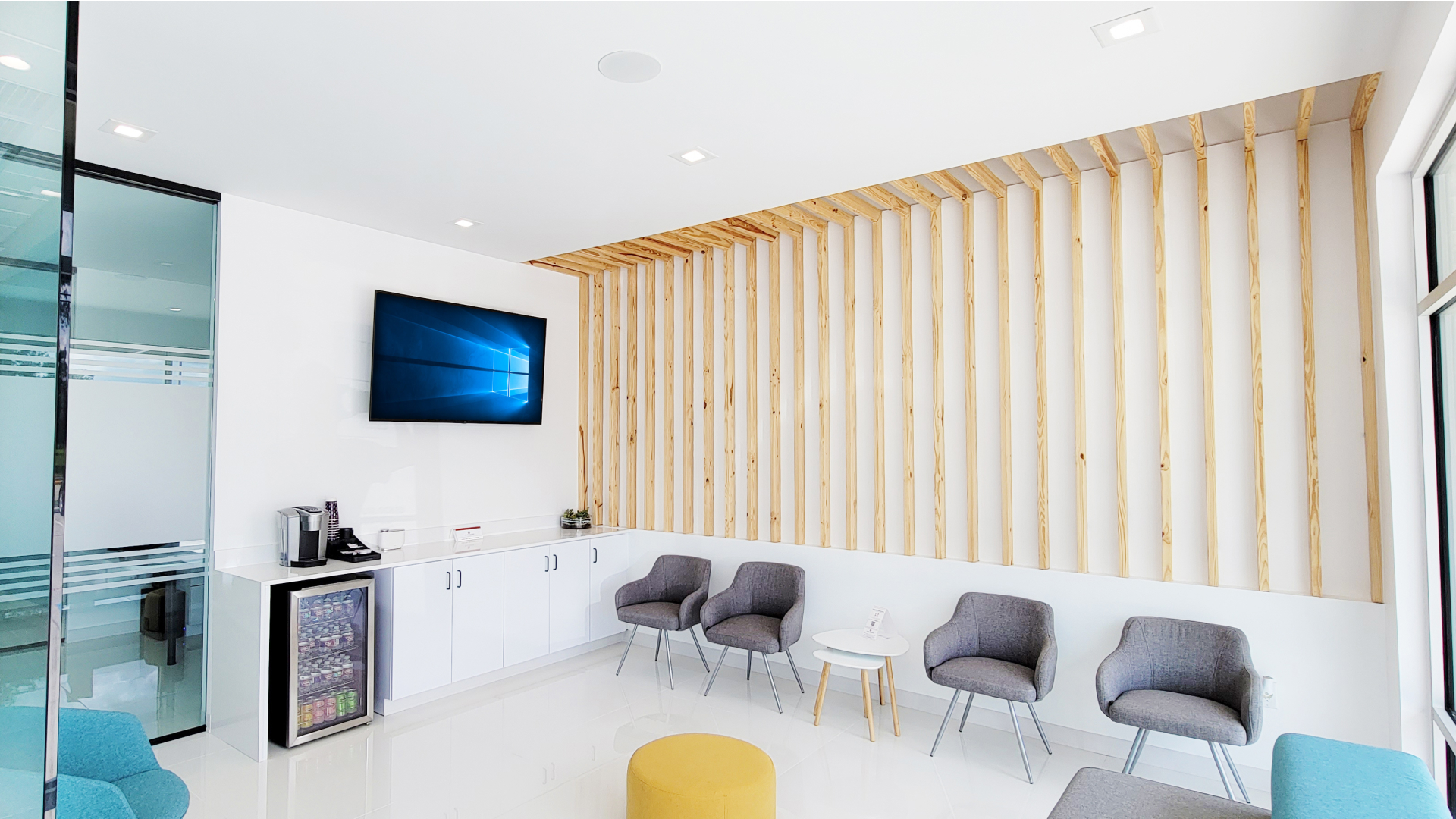
See what a visit to our modern, state-of-the-art dentist office is like!









Sunday Closed
Monday - Friday 9am - 6pm
Saturday 9am - 3pm
Check out what our patients are saying in Spring, TX


“The Best Dentist In Spring”
We have been looking for a family dentist for a long time, we have tried a bunch of places but nothing felt quite like home. Not too long ago we stumbled upon Nu Dentistry and met Dr. Ali. Not only was he professional, kind, and gentle, but he always finds a way to fit us in when we need an appointment. He’s also pretty funny! I appreciate that he takes the time to explain what he’s doing, before he does it. That really puts me at ease.

“Never Thought I'd Say It”
I never thought I’d say it, but going to the dentist is actually fun now. I recently came in for a root canal, and I got to sit back and catch up on Stranger Things without any pain!

“Anxiety Has Kept Me Away ”
I usually have such huge anxiety when I go to a dentist appointment, which means I always put off visits until the last minute to disastrous consequences. However, Dr. Loggins helped me with sedation, so the entire process was a breeze!
“The Best Dentist In Spring”
We have been looking for a family dentist for a long time, we have tried a bunch of places but nothing felt quite like home. Not too long ago we stumbled upon Nu Dentistry and met Dr. Ali. Not only was he professional, kind, and gentle, but he always finds a way to fit us in when we need an appointment. He’s also pretty funny! I appreciate that he takes the time to explain what he’s doing, before he does it. That really puts me at ease.
“Never Thought I'd Say It”
I never thought I’d say it, but going to the dentist is actually fun now. I recently came in for a root canal, and I got to sit back and catch up on Stranger Things without any pain!
We are proud members of these dental organizations and accreditations


We are dedicated to providing you with only the best quality dental care


