In our bustling lives, amidst daily tasks, and endless to-dos, our dental health often takes a backseat. But did you know that the health of your teeth could hint at your overall well-being? Enter the world of cavities and fillings – two terms you've probably heard at least once but might not fully understand. This guide dives deep into what causes cavities, debunks common myths, and sheds light on the intricate process of fillings. Whether you're the brush-twice-a-day kind or the occasional midnight-snacker, there's something for everyone.
How Many Cavities Is Normal?
While there isn't a fixed number that constitutes "normal" for cavities, most adults have experienced at least one cavity in their lifetime. For children, the chances might be higher due to their sometimes sugary diets and evolving brushing habits. Consistent oral care and regular dental check-ups can, however, minimize these risks.
Why Do I Easily Get Cavities?
Understanding why some people are more susceptible to cavities than others requires a dive into both intrinsic and extrinsic factors.
Intrinsic Factors:
-
Genetics: Just as genes can determine your hair or eye color, they can also play a role in your oral health. Some individuals may have inherited weaker enamel, making their teeth more vulnerable to decay.
-
Mouth Environment: The oral microbiome, a community of microorganisms living in our mouths, is diverse and unique to every individual. An imbalance in this microbiome, with harmful bacteria outweighing the beneficial ones, can lead to faster tooth decay.
-
Saliva Consistency and Production: Saliva is nature's way of rinsing our mouth, neutralizing acids, and providing enzymes that protect our teeth. People with lower saliva production or saliva that's less effective in neutralizing acids (due to its consistency) can find themselves more cavity-prone.
Extrinsic Factors:
-
Diet: Foods and drinks high in sugars and carbohydrates are prime culprits. When sugar interacts with the bacteria in our mouths, it produces acids that can erode the tooth enamel, leading to cavities. Regular consumption of acidic foods and beverages, like citrus fruits or sodas, can also weaken the enamel over time.
-
Frequency of Eating: It's not just what you eat but how often you eat. Constant snacking or sipping sugary drinks throughout the day gives harmful bacteria more opportunities to produce tooth-damaging acids.
-
Oral Hygiene Practices: Proper brushing and flossing are essential to remove food particles and plaque from the teeth and gums. Neglecting these practices allows bacteria to thrive, producing more acids and leading to cavities.
In essence, while some internal factors might predispose certain individuals to cavities, external habits and choices play a significant role in determining one's oral health. Making informed decisions and adopting a stringent oral care routine can help combat the onset of tooth decay, regardless of your genetic disposition.
Can I Brush Away a Cavity?
The concept of "brushing away" a cavity often comes with a fair amount of misconception. To fully understand the possibilities and limitations of brushing in relation to cavities, it's crucial to grasp the progression of tooth decay.
The Tooth Decay Process:
-
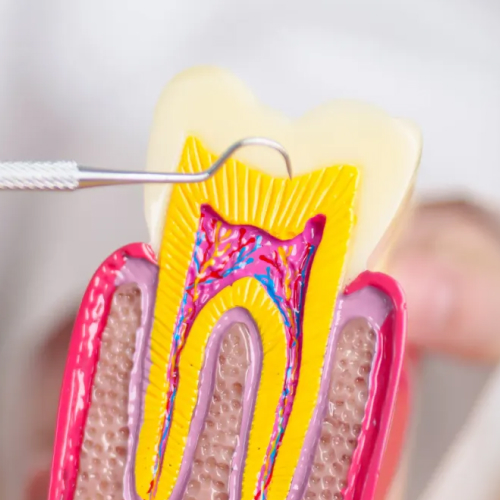
The Enamel's First Line of Defense: Enamel, the hard, outermost layer of our teeth, is the first line of defense against cavities. When the enamel starts to demineralize due to acidic attacks (often from sugary foods and drinks), white spots may appear. This is the earliest sign of tooth decay.
-
Reversing Early Decay: At this early stage, the decay can potentially be halted or even reversed. This is because our saliva contains minerals like calcium and phosphate that help in remineralizing and strengthening the enamel. Regular and proper oral care, which includes brushing with fluoride toothpaste, can enhance this remineralization process. Fluoride, a natural mineral, plays a pivotal role in not only strengthening the enamel but also preventing tooth decay.
-
Progression Beyond Redemption: If the early decay isn't addressed, it continues to progress. Once the decay breaches the enamel and reaches the inner layers of the tooth (dentin and pulp), a cavity is formed. At this stage, the damage is irreversible. No amount of brushing, regardless of the toothpaste used, can "fill in" or heal the cavity.
The Essential Dentist Visit:
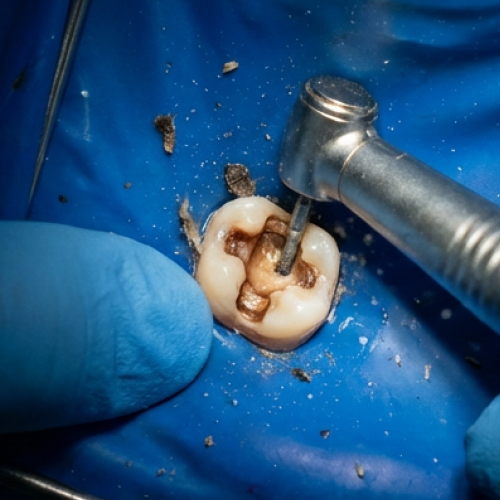
When a cavity forms, it creates a haven for bacteria. These bacteria can continue to erode the tooth and reach the nerve, leading to pain and potential infections. To prevent further complications, it's essential to visit a dentist. They can professionally clean out the decayed portion of the tooth and fill the cavity, restoring the tooth's shape and function.
In conclusion, while brushing plays an invaluable role in preventing cavities and can reverse the earliest stages of decay, it cannot remedy an established cavity. Regular dental check-ups are vital to catch and address cavities early on, ensuring a healthy smile for years to come.
Do All Cavities Require Fillings?
The decision to fill a cavity—or not—often hinges on the depth, location, and progression of the decay. Let's delve deeper into understanding the nuances of cavity treatments and when fillings become indispensable.
Assessing the Severity:
-
Surface-level Cavities: Cavities that are still superficial and have affected only the enamel (the tooth's outer layer) are in their early stages. This initial phase is also sometimes referred to as "incipient caries." During this period, the decay has not penetrated deep enough to cause a full-blown cavity that breaks through the enamel.
-
Intervention with Fluoride: For these surface-level cavities, dental professionals might not jump straight to fillings. Instead, they might recommend treatments with fluoride, a naturally occurring mineral known for its tooth-strengthening properties. Fluoride treatments can aid in remineralizing the enamel, essentially reversing or halting the progression of the decay at this early stage.
Beyond Surface-level: The Necessity of Fillings:
-
Advanced Decay: Once the decay moves past the enamel and reaches the dentin (the layer beneath the enamel), the situation becomes more serious. Dentin is softer than enamel and more susceptible to decay. At this juncture, the decayed area typically needs to be removed to prevent it from spreading further.
-
Purpose of Fillings: After removing the decayed portion, there's often a void or hole left in the tooth. This is where fillings come into play. Fillings serve a dual purpose:
- They restore the tooth's structure, allowing it to function normally without discomfort.
- They act as a barrier, sealing off the space to prevent bacteria from entering and causing further decay or potential infections.
- Material Choices: Today's dental industry offers a variety of filling materials, from silver amalgam and gold to tooth-colored composites and ceramics. The choice often depends on the tooth's location, the extent of repair, the patient's preferences, and, of course, cost considerations.
Proactive Prevention:
While treatments are available for varying stages of decay, the importance of a proactive approach can't be emphasized enough. Maintaining a diligent oral care routine, which includes brushing, flossing, and regular dental check-ups, can spot potential problems early on, minimizing the need for invasive treatments.
In summation, while not all cavities immediately warrant fillings, it's vital to address even minor decay promptly. Ignoring or delaying treatment can lead to more extensive damage, pain, and costlier dental procedures in the future.
How Do They Fix Cavities Between Teeth?
Interproximal or cavities between teeth are a sneaky lot, often detected through X-rays. To treat them, dentists generally remove the decayed part and then fill the cavity. The material used for fillings can vary, with options ranging from silver amalgam to tooth-colored composites.
Other Essential Subtopics to Chew On
Your dental health can give away signs even before you notice a cavity. Sensitivity, persistent pain, or visible holes are all signs that should lead you straight to the dentist. Additionally, while fillings come in various materials like silver, gold, and ceramics, choosing the right one depends on the individual's specific needs and consultation with their dentist.
Dental health is more than just a bright smile; it's an indicator of your overall well-being. With the right knowledge and consistent care, you can ensure your pearly whites remain just that. If queries persist or you need a thorough check-up, schedule a consultation with our clinic today.