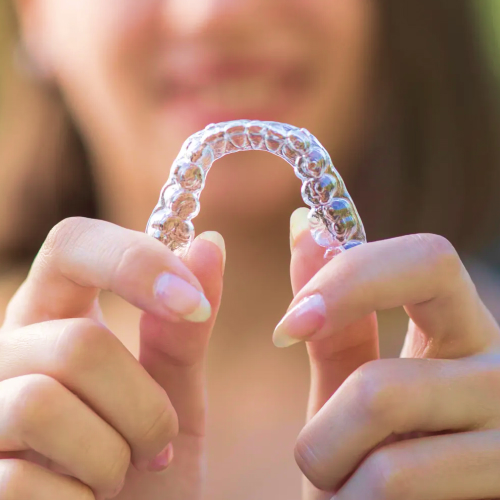
Invisalign and Braces Quotes: What Those Numbers Actually Mean
Wondering if your Invisalign or braces quote is fair? Learn what costs really mean. Book a consultation with Nu Dentistry Spring today!
Read More
Medically Reviewed by Dr. Tameemi
For Spring-area patients, AlignerCO is a direct-to-consumer aligner brand that skips in-office oversight, raising real clinical and financial concerns compared to Invisalign. Understanding what separates these two options — from software planning to treatment safety nets — helps you make a genuinely informed decision before committing.
Most people researching AlignerCO are already aware of SmileDirectClub's collapse. That bankruptcy left thousands of patients mid-treatment, with no clinical support, no replacement aligners, and no refunds — while their third-party financing contracts remained fully enforceable. Lenders are separate legal entities. When the aligner company disappears, the debt does not.
AlignerCO operates on a similar direct-to-consumer model, and that structural similarity is worth examining carefully. Budget DTC aligner brands typically partner with external financing companies rather than carrying patient debt in-house. That arrangement means your payment obligation exists independently of whether your treatment is ever completed.
Before signing any financing agreement with a DTC aligner brand, it's worth asking: what happens to my contract if this company ceases operations? What recourse do I have if treatment fails halfway through? With in-office Invisalign through a licensed dentist or orthodontist, your treatment relationship exists with a regulated local provider — one accountable to their state dental board and bound by professional licensing standards. According to the ADA, dental board rulings can directly impact a provider's license and practice — a layer of patient protection that simply doesn't exist with a remote DTC company.
That accountability gap is not a minor footnote. It's the structural difference between a treatment plan with legal and clinical recourse and one without.
The plastic tray is just the vehicle. What actually moves your teeth is the digital treatment plan behind it — and this is where Invisalign and AlignerCO diverge most significantly.
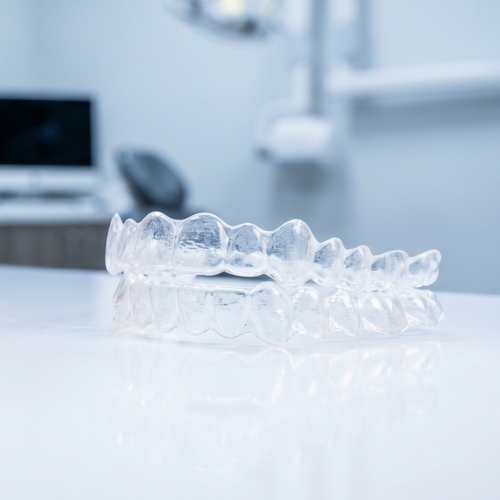
Invisalign uses ClinCheck, a proprietary planning system that allows your local orthodontist or dentist to review and manually adjust tooth movements frame by frame before a single tray is manufactured. A trained clinician controls the staging, the force vectors, and the sequencing. They can identify risks like posterior open bite — a documented side effect of poorly planned aligner therapy — and adjust accordingly.
AlignerCO's planning relies heavily on automated CAD software guided by remote technicians rather than a locally licensed doctor reviewing your specific anatomy. The treatment plan is generated with minimal individualized oversight. As Healthline explains in its overview of clear aligners, Invisalign's doctor-driven process and use of high-quality materials are among the key reasons it remains the benchmark for aligner treatment.
The practical consequence: automated planning templates tend to prioritize cosmetic alignment — closing gaps, reducing crowding — over functional bite health. Patients may finish treatment with straighter-looking teeth but a changed bite they weren't warned about. For patients also considering aesthetic dentistry options beyond alignment, this distinction between cosmetic appearance and functional health is especially important to understand.
One of the most common reasons patients abandon DTC aligners isn't lack of discipline — it's a mechanical failure that the brand never disclosed upfront.
Invisalign uses SmartForce attachments: small tooth-colored composite bumps bonded directly to specific teeth. These attachments act as physical anchors, giving the aligner tray something to grip when performing complex movements like canine rotations or vertical tooth intrusion. Without them, certain movements are biomechanically impossible for smooth plastic trays to execute.
AlignerCO uses smooth plastic only. No attachments. That works reasonably well for mild spacing or minor crowding. But when treatment requires more nuanced movement, the aligners lose tracking — meaning the teeth stop following the planned path. Patients notice gaps between the tray and certain teeth, discomfort from misfit, or simply no visible progress. A Healthline overview of Invisalign's effectiveness notes that aligner fit is critical to treatment success, and that poorly fitting trays directly compromise outcomes.
According to the American Association of Orthodontists, clear aligners must be worn at least 22 hours per day and fit precisely against each tooth to apply the correct pressure. When tracking fails, continued wear can actually stress teeth in unintended directions.
If you're mid-treatment with any aligner system and notice a persistent gap between the tray and one or more teeth, that's a tracking failure — and it warrants an in-person clinical evaluation before you continue. In some cases, tracking failures can escalate into a dental emergency if unaddressed tooth stress leads to pain or damage.
"Best" depends on case complexity, and that's not a deflection — it's the most clinically honest answer available.
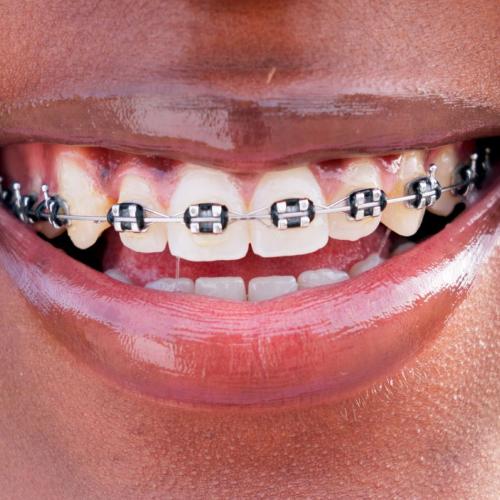
For mild crowding or minor spacing issues in a fully healthy mouth, some patients have acceptable experiences with DTC options. But as Healthline's aligners vs. braces comparison notes, aligners cannot move severely malaligned teeth, and cases requiring precise bite correction demand the kind of individualized clinical control that remote treatment simply cannot provide. Patients with more complex alignment needs may be better served by dental braces, which offer greater clinical control for challenging cases.
Invisalign remains the most established clear aligner system on the market, with over two decades of clinical use and a doctor-supervised treatment model. That supervision isn't bureaucratic overhead — it's what catches problems before they become irreversible. It also ensures that underlying issues like gum disease gingivitis are identified and treated before orthodontic movement begins — something a remote impression kit cannot screen for.
For anyone in the Greater Houston area weighing their options, the most useful first step isn't comparing aligner brands online. It's a consultation with a licensed provider who can assess whether your case is even appropriate for aligner therapy at all. A thorough cleaning and exam is often the right starting point before committing to any orthodontic treatment.
Nu Dentistry Spring offers Invisalign consultations for patients throughout Spring, Texas and the Greater Houston area. Our team can evaluate your specific case, explain what your treatment would actually involve, and help you understand all your options — without the guesswork of a remote impression kit. Reach out to schedule your consultation today.
Medical disclaimer: This article is for informational purposes only and does not constitute medical or dental advice. Always consult a licensed dental professional for diagnosis and treatment recommendations specific to your situation.
Fresh news from the dental world

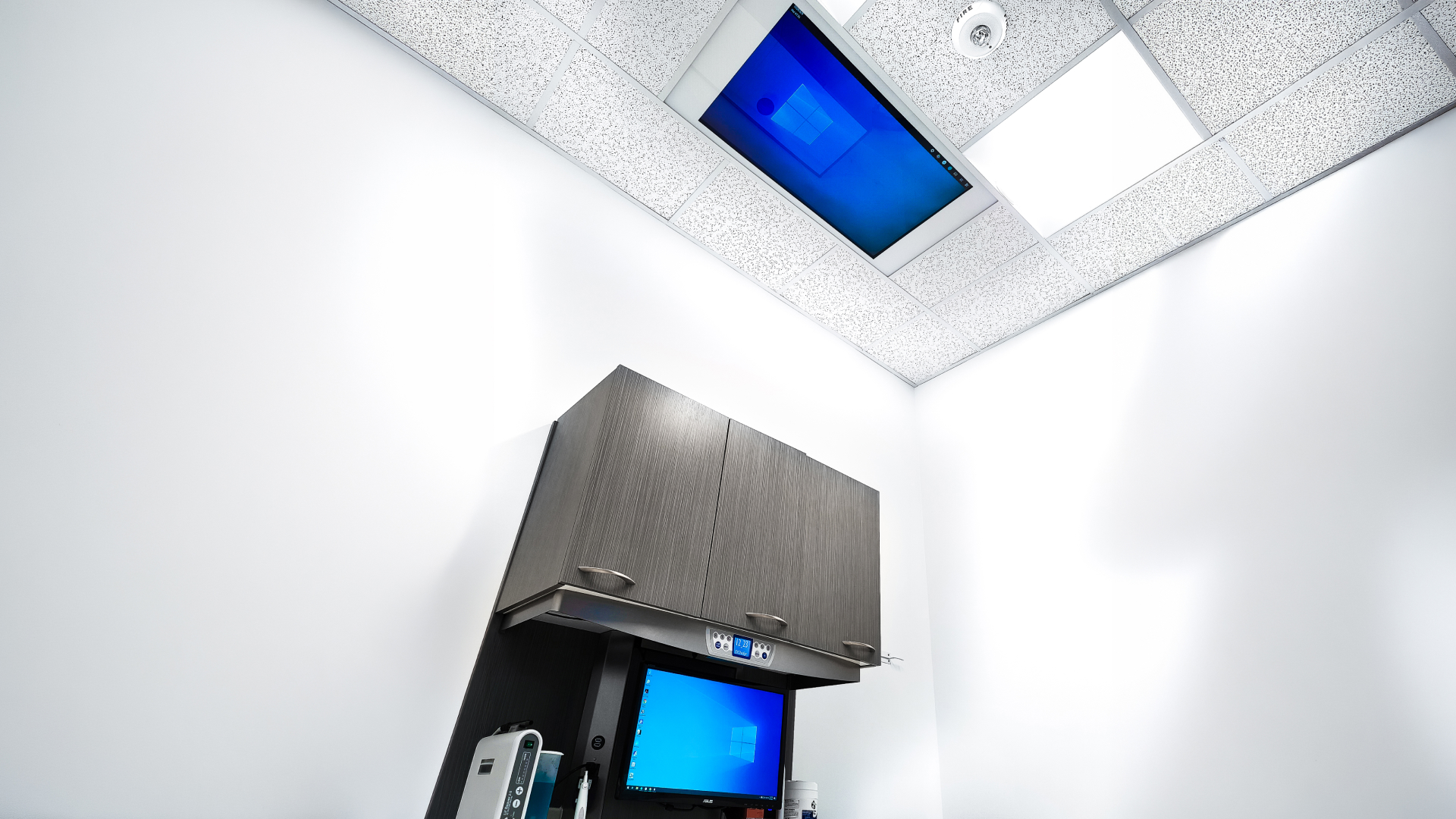
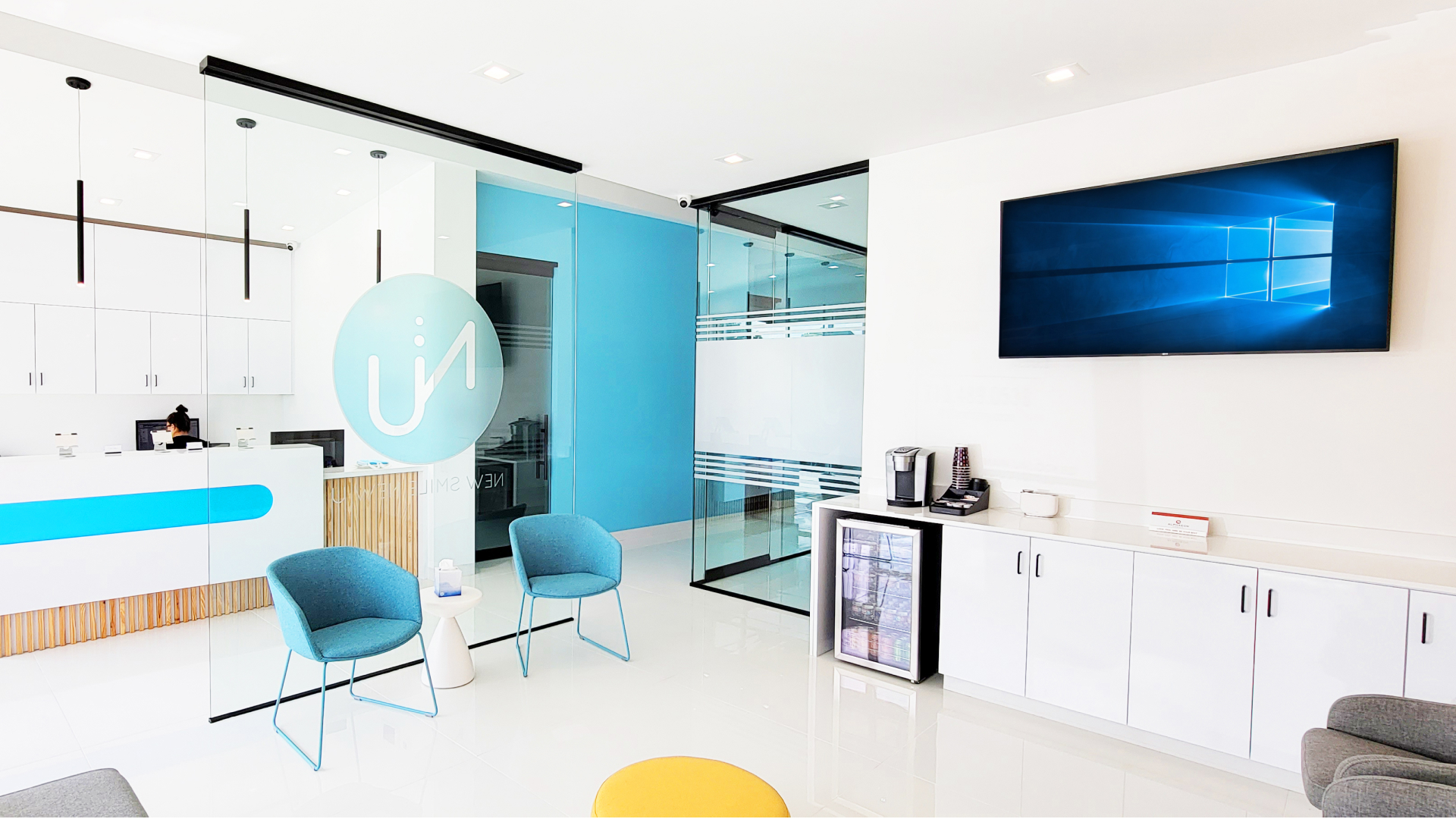
See what a visit to our modern, state-of-the-art dentist office is like!









Sunday Closed
Monday - Friday 9am - 6pm
Saturday 9am - 3pm
Check out what our patients are saying in Spring, TX


“The Best Dentist In Spring”
We have been looking for a family dentist for a long time, we have tried a bunch of places but nothing felt quite like home. Not too long ago we stumbled upon Nu Dentistry and met Dr. Ali. Not only was he professional, kind, and gentle, but he always finds a way to fit us in when we need an appointment. He’s also pretty funny! I appreciate that he takes the time to explain what he’s doing, before he does it. That really puts me at ease.

“Never Thought I'd Say It”
I never thought I’d say it, but going to the dentist is actually fun now. I recently came in for a root canal, and I got to sit back and catch up on Stranger Things without any pain!

“Anxiety Has Kept Me Away ”
I usually have such huge anxiety when I go to a dentist appointment, which means I always put off visits until the last minute to disastrous consequences. However, Dr. Loggins helped me with sedation, so the entire process was a breeze!
“The Best Dentist In Spring”
We have been looking for a family dentist for a long time, we have tried a bunch of places but nothing felt quite like home. Not too long ago we stumbled upon Nu Dentistry and met Dr. Ali. Not only was he professional, kind, and gentle, but he always finds a way to fit us in when we need an appointment. He’s also pretty funny! I appreciate that he takes the time to explain what he’s doing, before he does it. That really puts me at ease.
“Never Thought I'd Say It”
I never thought I’d say it, but going to the dentist is actually fun now. I recently came in for a root canal, and I got to sit back and catch up on Stranger Things without any pain!
We are proud members of these dental organizations and accreditations


We are dedicated to providing you with only the best quality dental care


