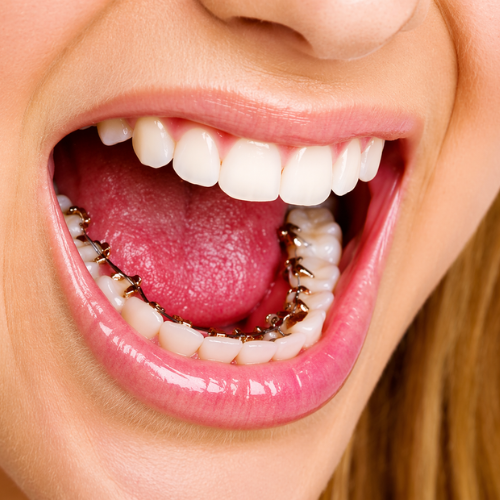
Lingual Braces for People Who Want a Straighter Smile Without the Spotlight
Learn how lingual braces work, how they compare to traditional braces, and what to expect at Nu Dentistry Spring.
Read More
Dental anxiety is a common challenge, affecting a significant portion of the population. In this comprehensive guide, we'll explore various aspects of managing dental anxiety, focusing on sedation options, their safety, and how these approaches can help patients receive the dental care they need in a comfortable, anxiety-free environment.
Dental anxiety is a significant hurdle for many, preventing them from seeking necessary dental care. Recognizing this, modern dentistry has developed a range of solutions to help patients overcome their anxiety and receive treatment in a relaxed state. This section will explore the various types of anxiety relief methods available in dental clinics, from oral sedatives to nitrous oxide and beyond.
Oral sedatives are a common and effective method for reducing dental anxiety. These medications, which are typically prescribed to be taken about an hour before the dental procedure, work to relax patients, ensuring they remain conscious but in a much calmer state. The types of oral sedatives vary, with some common ones being diazepam, lorazepam, and triazolam. Each has its specific onset time and duration of effect, which can be chosen based on the length and complexity of the dental procedure.
Nitrous oxide, colloquially known as laughing gas, is another widely used option for managing dental anxiety. Administered through a mask that fits over the nose, nitrous oxide provides a rapid calming effect, allowing patients to feel more at ease during their dental treatment. One of the key benefits of nitrous oxide is its quick reversal; the effects wear off soon after the mask is removed, enabling patients to drive themselves home and continue with their day without any prolonged sedative effects.
For those with mild anxiety, there are also non-pharmacological approaches such as guided imagery, deep breathing techniques, and even virtual reality distractions that can be employed. These methods work by diverting the patient's attention away from the dental procedure, reducing anxiety through psychological means.
Dental professionals play a crucial role in managing patient anxiety. By providing detailed explanations of procedures and addressing any concerns or fears, dentists and dental assistants can significantly alleviate patient anxiety. This open communication builds trust and helps patients feel more in control, which can be particularly comforting for those with dental phobia.
Furthermore, dental clinics often create a calming atmosphere, with soothing music, comfortable chairs, and a warm, welcoming environment to help reduce anxiety. Some clinics even offer additional amenities like blankets and headphones to improve patient comfort during procedures.
Each patient's level of anxiety and response to sedation can vary, making it important for dentists to tailor their approach. A thorough medical history and a discussion of any past experiences with dental anxiety or sedation are essential in determining the most effective and safe method for each individual.
When asking "What dentist will put you to sleep?", the answer lies in the field of sleep or sedation dentistry. Dentists specializing in sedation dentistry or oral surgeons are typically the ones who can administer sedation methods that induce a sleep-like state for patients. These professionals are trained in various sedation techniques, ranging from mild to deep sedation, including the use of IV sedation and general anesthesia.
IV Sedation: A Deep State of Relaxation
IV sedation involves administering sedative drugs directly into a vein. This method allows for fast-acting relaxation and a deep state of calm. Patients under IV sedation are usually semi-conscious, deeply relaxed but still able to respond to simple commands. This type of sedation is often used for procedures that are moderately complex or for patients with moderate to severe dental anxiety.
General Anesthesia: Complete Unconsciousness
General anesthesia represents a more profound form of sedation, where patients are fully unconscious. It is typically administered by an anesthesiologist or a dentist with specialized training in anesthesia. This method is reserved for highly complex dental procedures, like extensive oral surgeries, or for patients who require a deeper level of sedation due to extreme anxiety or special needs.
Safety Measures in Sedation Dentistry
The safety of the patient is paramount in sedation dentistry. Dental clinics offering these services are equipped with the necessary monitoring equipment to keep a close watch on the patient’s vital signs throughout the procedure. A thorough medical history review and a discussion of any current medications are essential steps to ensure the chosen sedation method is safe and effective for the patient.
Tailored Sedation for Comfortable Dental Care
In conclusion, sedation dentistry, practiced by dentists or oral surgeons with the appropriate training, offers solutions for patients who need to be "put to sleep" for their dental procedures. By selecting the appropriate level of sedation, these professionals ensure that each patient's dental experience is as comfortable and stress-free as possible. Communication with your dental care provider is key to determining the best approach for your individual needs and ensuring a safe, pleasant dental experience.
One common concern about sedation dentistry is its safety. This section aims to address these concerns by providing in-depth information about the safety protocols and measures in place.
Sedation dentistry, when performed by trained and experienced professionals, is generally safe. Dentists are equipped with the necessary knowledge and tools to administer sedatives safely and monitor patients throughout the procedure. Risks are minimal, especially when the patient's medical history is thoroughly reviewed to avoid any complications.
However, it's crucial to discuss any health conditions or medications with your dentist beforehand. This transparency ensures that the chosen sedation method is safe and effective for your particular situation.
Dental anxiety shouldn't be a barrier to maintaining oral health. With various sedation options available, tailored to individual needs and safety, patients can now experience a more relaxed and fear-free dental visit. We encourage you to schedule a consultation with our clinic. Our team is dedicated to providing a comfortable, anxiety-free environment, ensuring that your journey to oral health is a positive and safe one.
Fresh news from the dental world
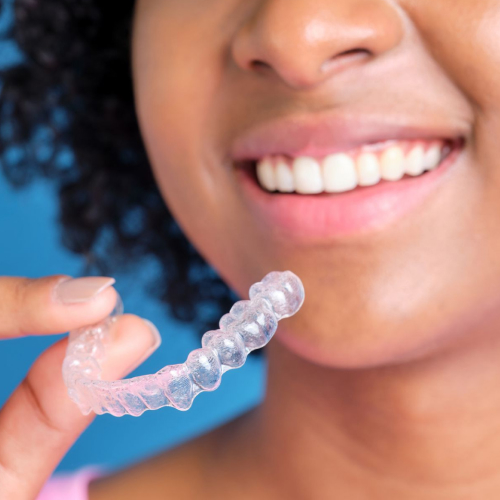

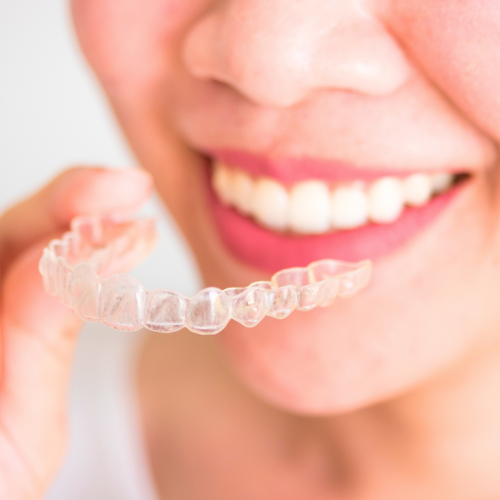
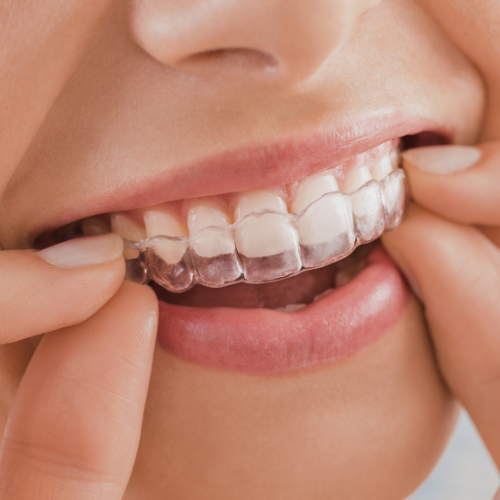


See what a visit to our modern, state-of-the-art dentist office is like!





Sunday Closed
Monday - Friday 9am - 6pm
Saturday 9am - 3pm
Check out what our patients are saying in Spring, TX


“The Best Dentist In Spring”
We have been looking for a family dentist for a long time, we have tried a bunch of places but nothing felt quite like home. Not too long ago we stumbled upon Nu Dentistry and met Dr. Ali. Not only was he professional, kind, and gentle, but he always finds a way to fit us in when we need an appointment. He’s also pretty funny! I appreciate that he takes the time to explain what he’s doing, before he does it. That really puts me at ease.

“Never Thought I'd Say It”
I never thought I’d say it, but going to the dentist is actually fun now. I recently came in for a root canal, and I got to sit back and catch up on Stranger Things without any pain!

“Anxiety Has Kept Me Away ”
I usually have such huge anxiety when I go to a dentist appointment, which means I always put off visits until the last minute to disastrous consequences. However, Dr. Loggins helped me with sedation, so the entire process was a breeze!
“The Best Dentist In Spring”
We have been looking for a family dentist for a long time, we have tried a bunch of places but nothing felt quite like home. Not too long ago we stumbled upon Nu Dentistry and met Dr. Ali. Not only was he professional, kind, and gentle, but he always finds a way to fit us in when we need an appointment. He’s also pretty funny! I appreciate that he takes the time to explain what he’s doing, before he does it. That really puts me at ease.
“Never Thought I'd Say It”
I never thought I’d say it, but going to the dentist is actually fun now. I recently came in for a root canal, and I got to sit back and catch up on Stranger Things without any pain!
We are proud members of these dental organizations and accreditations


We are dedicated to providing you with only the best quality dental care


