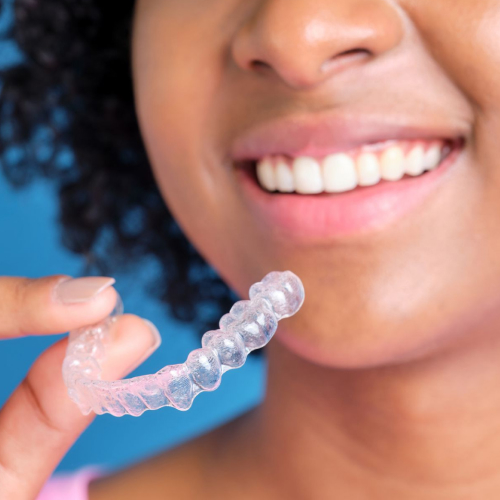
Invisalign Trays Not Fitting? A Spring, TX Dentist Explains Gaps, Tracking, and Refinements
Invisalign trays not fitting right in Spring, TX? Learn about tracking, gaps, and refinements. Call Nu Dentistry Spring today.
Read More
A beautiful smile goes beyond just having straight teeth. Your bite—the way your upper and lower teeth come together—plays a crucial role in your overall oral health and comfort. Whether you're experiencing discomfort, difficulty chewing, or simply want to enhance your smile, understanding bite problems and how braces can address them is essential. At Nu Dentistry Spring, we're dedicated to helping you achieve optimal dental health through personalized orthodontic solutions. Let’s dive into the common bite problems and explore how braces can be the key to a healthier, more confident you.
Bite problems, also known as malocclusions, occur when the upper and lower teeth do not align properly. These issues can affect not only your appearance but also your ability to chew, speak, and maintain oral hygiene. Here are some of the most common types of bite problems:
An overbite happens when the upper front teeth excessively overlap the lower front teeth. While a slight overbite is normal, a significant overbite can lead to wear on the lower teeth, jaw discomfort, and even speech issues.
In an underbite, the lower teeth protrude beyond the upper teeth. This misalignment can cause chewing difficulties, increased risk of tooth injury, and can affect facial aesthetics by giving a protruding appearance to the lower jaw.
A crossbite occurs when some of the upper teeth sit inside the lower teeth when biting down. This can happen on the front or sides of the mouth and may lead to uneven wear of the teeth, gum disease, and bone loss if left untreated.
An open bite is characterized by a gap between the upper and lower front teeth when the mouth is closed. This can result from thumb sucking, tongue thrusting, or skeletal discrepancies. It may cause difficulties in biting into food and can lead to speech impediments.
Crowding occurs when there isn’t enough space for all the teeth to fit properly within the mouth, leading to overlapping or crooked teeth. Spacing, on the other hand, refers to gaps between teeth, which can trap food and increase the risk of cavities and gum disease.
Understanding the specific type of bite problem you have is the first step toward finding an effective solution. Our experienced orthodontists will conduct a thorough evaluation to determine the best course of action tailored to your unique needs.
Braces are a versatile and effective tool for correcting a wide range of bite problems. By applying consistent, gentle pressure to the teeth and jaw, braces gradually shift them into their proper positions. Here’s how braces can address various bite issues:
Braces work by moving teeth into the desired position. For example, in cases of overcrowding, braces can help create space by aligning the teeth properly, reducing overlapping and improving the overall bite.
In some cases, bite problems are due to the positioning of the jaw. Braces, sometimes in combination with other orthodontic appliances like expanders or headgear, can help adjust the jaw’s alignment, ensuring that the upper and lower jaws meet correctly.
Correcting bite issues with braces not only enhances aesthetics but also improves the functionality of your teeth and jaw. A properly aligned bite makes chewing and speaking more efficient and reduces the strain on your jaw muscles, alleviating pain and preventing further complications.
Misaligned teeth can create niches where food particles and bacteria accumulate, increasing the risk of cavities and gum disease. By straightening the teeth and correcting the bite, braces make it easier to maintain good oral hygiene, promoting healthier gums and teeth.
A straighter, well-aligned smile can significantly boost your self-esteem and confidence. Knowing that your teeth are not only beautiful but also functional adds to your overall sense of well-being and satisfaction with your appearance.
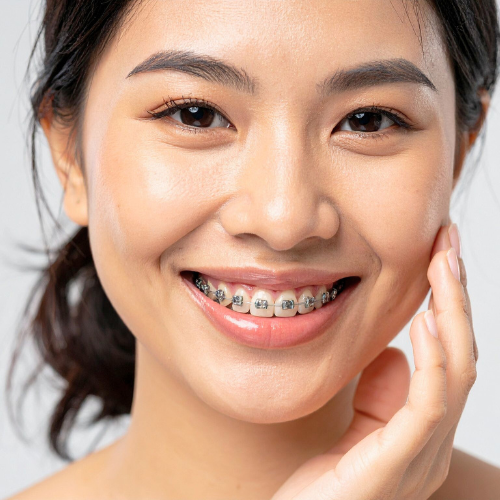
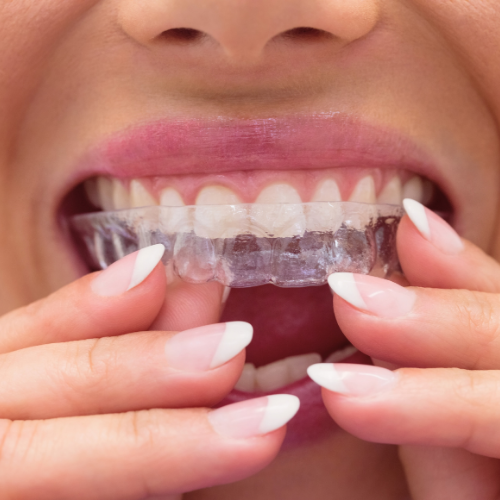
At Nu Dentistry Spring, we offer a variety of braces options, including traditional metal braces, ceramic braces, and clear aligners, to suit your lifestyle and preferences. Our orthodontists will work with you to choose the best treatment plan to achieve the desired results efficiently and comfortably.
Embarking on orthodontic treatment with braces is a journey toward a healthier and more beautiful smile. Knowing what to expect can help you prepare and make the process smoother. Here’s an overview of what the treatment typically involves:
Your orthodontic journey begins with a comprehensive evaluation. This includes a thorough examination of your teeth, bite, and jaw alignment, along with X-rays and possibly 3D imaging. Based on this assessment, our orthodontists will develop a personalized treatment plan tailored to your specific needs.
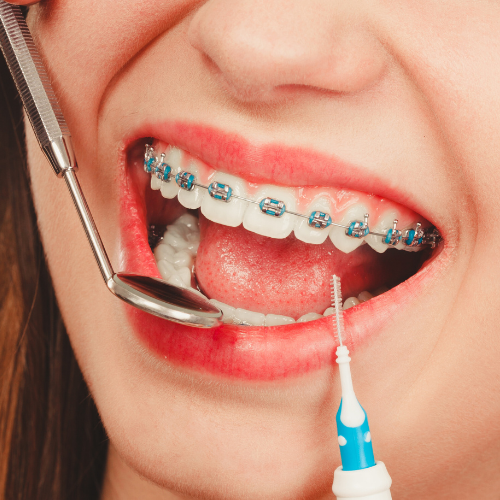
Once the treatment plan is in place, the next step is getting your braces fitted. This involves cleaning your teeth and applying brackets to each tooth using a special adhesive. Archwires are then connected to the brackets, and elastic bands may be used to apply additional pressure. The entire process is typically completed within a single appointment and is generally painless, though you might experience some minor discomfort as your mouth adjusts.
Orthodontic treatment requires regular visits to your dental clinic for adjustments. During these appointments, the orthodontist will tighten or adjust the wires, replace elastic bands, and monitor your progress. These adjustments help continue the gradual shifting of your teeth and ensure that the treatment is on track. Frequency of visits is usually every 4-8 weeks, depending on your specific treatment plan.
It’s normal to experience some discomfort or soreness after getting braces or during adjustments. Over-the-counter pain relievers, a soft diet, and orthodontic wax can help manage any irritation caused by the braces. Maintaining good oral hygiene is crucial; brushing and flossing regularly will prevent plaque buildup and keep your teeth and gums healthy throughout the treatment.
The length of orthodontic treatment varies depending on the complexity of the bite problem and the type of braces used. On average, treatment can range from 18 months to 3 years. Our team will provide a more accurate timeline based on your individual case, ensuring that you’re well-informed every step of the way.
After your braces are removed, the retention phase begins to maintain the new position of your teeth. This typically involves wearing retainers as prescribed by your orthodontist. Consistently wearing your retainer is essential to prevent teeth from shifting back to their original positions, ensuring the longevity of your beautiful, corrected smile.
At Nu Dentistry Spring, we are committed to supporting you throughout your orthodontic journey, providing expert care and guidance to achieve the best possible outcomes.
Addressing bite problems is a significant step toward improving your oral health and boosting your confidence. Braces offer a proven solution to realign your teeth and jaws, enhancing both functionality and aesthetics. Whether you’re dealing with an overbite, underbite, crossbite, or other bite issues, our experienced orthodontists at Nu Dentistry Spring are here to help you every step of the way.
Don’t let bite problems hold you back from smiling confidently. Schedule an appointment with us today to begin your journey toward a healthier, more beautiful smile.
Fresh news from the dental world

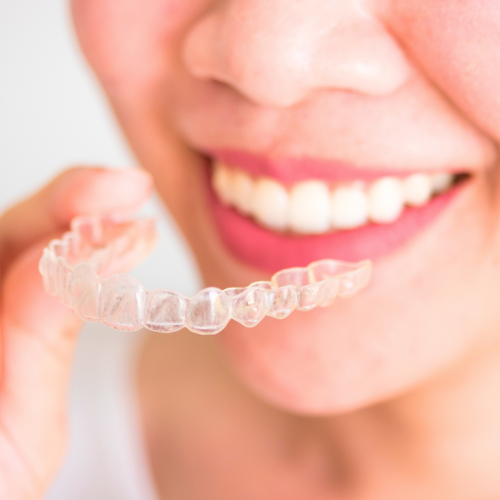
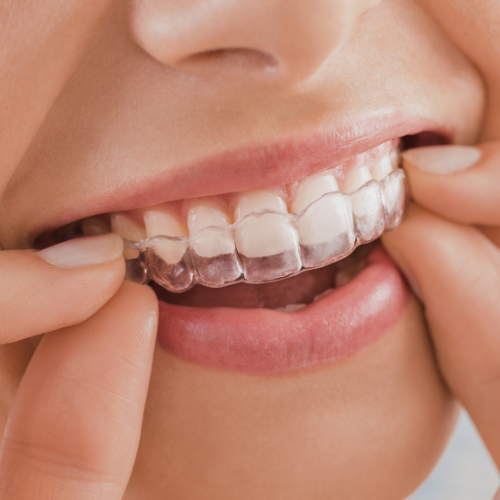


See what a visit to our modern, state-of-the-art dentist office is like!







Sunday Closed
Monday - Friday 9am - 6pm
Saturday 9am - 3pm
Check out what our patients are saying in Spring, TX


“The Best Dentist In Spring”
We have been looking for a family dentist for a long time, we have tried a bunch of places but nothing felt quite like home. Not too long ago we stumbled upon Nu Dentistry and met Dr. Ali. Not only was he professional, kind, and gentle, but he always finds a way to fit us in when we need an appointment. He’s also pretty funny! I appreciate that he takes the time to explain what he’s doing, before he does it. That really puts me at ease.

“Never Thought I'd Say It”
I never thought I’d say it, but going to the dentist is actually fun now. I recently came in for a root canal, and I got to sit back and catch up on Stranger Things without any pain!

“Anxiety Has Kept Me Away ”
I usually have such huge anxiety when I go to a dentist appointment, which means I always put off visits until the last minute to disastrous consequences. However, Dr. Loggins helped me with sedation, so the entire process was a breeze!
“The Best Dentist In Spring”
We have been looking for a family dentist for a long time, we have tried a bunch of places but nothing felt quite like home. Not too long ago we stumbled upon Nu Dentistry and met Dr. Ali. Not only was he professional, kind, and gentle, but he always finds a way to fit us in when we need an appointment. He’s also pretty funny! I appreciate that he takes the time to explain what he’s doing, before he does it. That really puts me at ease.
“Never Thought I'd Say It”
I never thought I’d say it, but going to the dentist is actually fun now. I recently came in for a root canal, and I got to sit back and catch up on Stranger Things without any pain!
We are proud members of these dental organizations and accreditations


We are dedicated to providing you with only the best quality dental care


