Have you ever looked in the mirror and wished your teeth were just a bit straighter? Maybe there’s a front tooth that’s a little crooked, or your bite doesn’t quite line up. Fortunately, modern orthodontics has your back (or rather, your teeth!). Whether you’re a longtime fan of traditional braces or you’re more intrigued by the nearly invisible Invisalign trays, both approaches can help you achieve a smile you’ll be proud to show off.
In this blog, we’ll explore how these two orthodontic methods actually get the job done. We’ll talk about what exactly happens when your teeth start shifting, how Invisalign and braces compare, and how you can figure out if you’re ready to take the leap toward a straighter, healthier smile. At Nu Dentistry Spring, we love helping our patients feel confident about their teeth, and we’re here to give you the inside scoop on how it all works. Keep reading to find out why crooked smiles don’t stand a chance against these tried-and-true treatments!
What Exactly Happens When Braces Move Your Teeth?
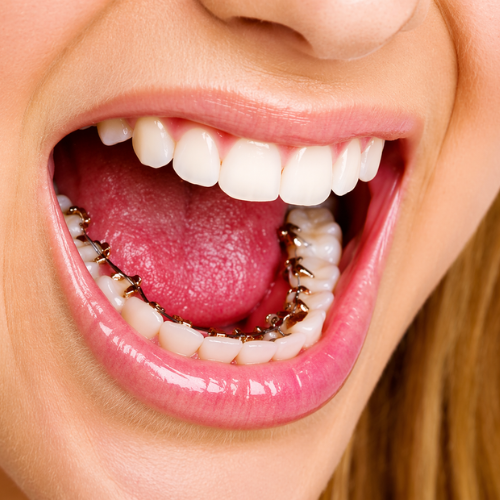
A lot of us have an image in our mind when we think of braces: metal brackets, wires, and tiny rubber bands that slowly but surely bring wayward teeth into alignment. But what’s really going on beneath the surface?
Brackets and Wires: A Dynamic Duo:
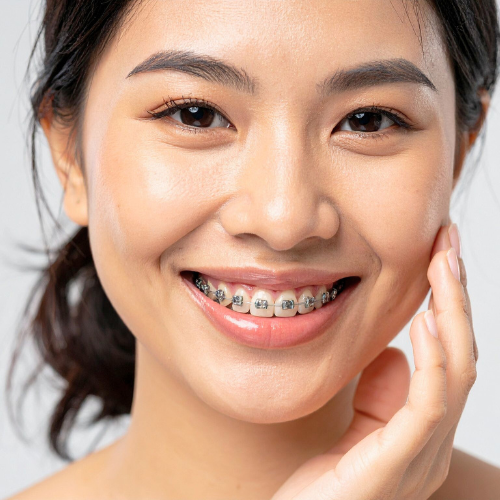
Those metal squares you see on each tooth (the brackets) act like anchors for the archwire, which is the metal wire running along the length of your teeth. An orthodontist carefully bends and shapes that wire to create the gentle force needed to move your teeth into their new positions. Essentially, the wire wants to straighten out, and in the process, it pulls the attached teeth with it. Over time, your teeth gradually shift to match the shape of the wire.
The Power of Pressure and Bone Remodeling:
When you apply constant light pressure to a tooth, it starts a process called bone remodeling. On the side where the tooth is being pushed, the bone begins to break down (resorb) to make room. On the opposite side, new bone forms to fill in the space the tooth left behind. This is what makes your new tooth position more permanent. Although it might seem like magic, it’s really just your body’s normal healing and adaptive response to pressure. It’s the same reason orthodontic treatment often includes frequent check-ups: to ensure the pressure stays at that perfect level—strong enough to move your teeth, but gentle enough to keep your smile healthy.
Rubber Bands: More Than Just Decoration:
Of course, most people notice the colorful rubber bands that go around each bracket, chosen in a rainbow of shades. Those little elastics might be fun to pick out, but their main purpose is to hold the archwire in place. In some cases, orthodontists use additional rubber bands that stretch between the top and bottom teeth. These rubber bands help correct bite issues by moving upper and lower teeth relative to each other, bringing your entire mouth into better balance.
Does Invisalign Really Straighten Teeth as Effectively as Braces?
If you’ve ever wished you could straighten your teeth without the telltale shine of metal braces, Invisalign might sound like a dream come true. But does this nearly invisible method really get the job done just as well as traditional braces?
How Invisalign Applies Pressure:
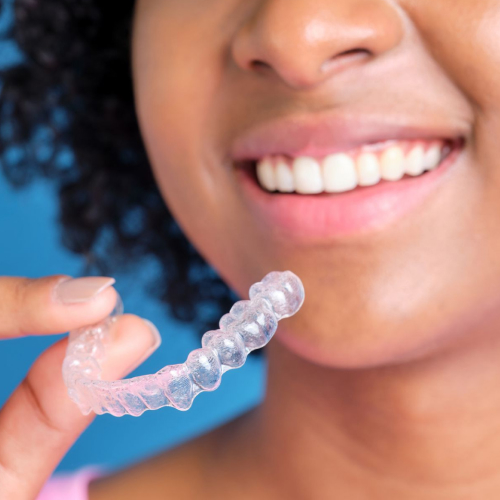
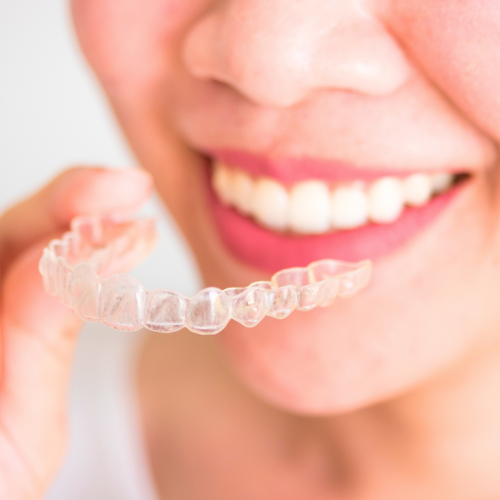
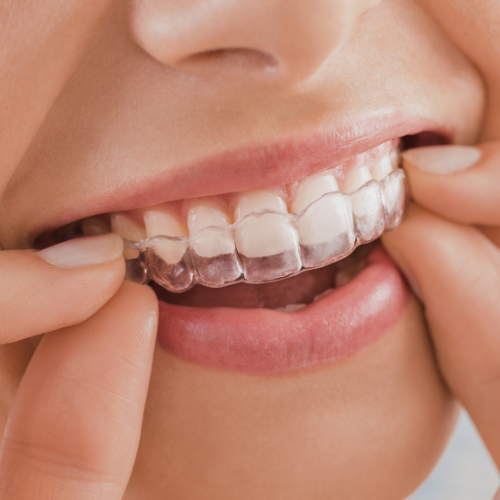
Invisalign uses a series of custom-made, clear plastic aligners that fit snugly over your teeth. Think of each aligner as a tiny blueprint for how your teeth should move in small increments. Each set of aligners is usually worn for about one to two weeks. Then you swap them out for the next set, which is slightly different. Over time, these micro-adjustments gradually move your teeth into their final positions.
Just like with braces, Invisalign relies on gentle, consistent pressure to encourage bone remodeling. Although you don’t see brackets and wires, the effect is the same. The important thing is that you wear the aligners as directed—usually at least 20 to 22 hours a day. Taking them out too often or forgetting to wear them can slow your progress and delay the results.
Comparing Effectiveness:
For mild to moderate alignment issues—like slightly crooked front teeth, small gaps, or minor bite adjustments—Invisalign can work just as well as braces. Where braces might have a slight upper hand is in more complicated orthodontic cases. Severe bite problems, large tooth rotations, or significant overcrowding might respond better to traditional braces because they give the orthodontist more direct and immediate control over each tooth.
However, modern advancements have significantly expanded what Invisalign can tackle. If you’re not sure which method is right for you, talking with an experienced orthodontist is the best way to find out. They’ll look at your teeth, discuss your concerns, and help you decide between braces or aligners based on your unique situation.
No Metal, No Problem:
One of the biggest perks Invisalign offers is almost complete invisibility. Adults who feel self-conscious about having a “metal mouth” often love the discreetness. Another advantage is that you can remove the aligners when you eat or drink anything besides water. That means you don’t have to give up your favorite popcorn or crunchy tacos. Just remember to brush and floss afterward, then pop your aligners back in to keep your progress on track.
How Do I Know If I’m Ready for Orthodontic Treatment?
You might be wondering whether you truly need braces or aligners or if it’s just a cosmetic preference. Sometimes, crooked or crowded teeth can be an aesthetic concern, but they can also lead to real health issues if left untreated. Here are a few signs that you might be more than ready to explore orthodontic treatment.
Crowded Teeth or Difficulty Flossing:
If your teeth overlap to the point where flossing becomes an athletic feat, that crowding could increase your risk of cavities and gum disease. Food particles and bacteria get trapped in tight spaces, leading to dental problems down the road. Straightening your teeth can make daily cleaning a breeze, setting the stage for a healthier smile.
Frequent Jaw Pain or Headaches:
A misaligned bite can cause strain in your jaw joints. Over time, you might experience jaw pain, clicking noises, or even tension headaches. Orthodontic treatment can often alleviate these issues by properly aligning your bite and distributing chewing forces more evenly.
Shifting Teeth Over Time:
Even if your teeth were relatively straight before, the alignment can shift as we age or if we have unhealthy oral habits (like grinding or clenching). If you’ve noticed any new crowding or a change in your bite, it might be time to consider seeing an orthodontist to stop the progression.
You’re Ready for a Confidence Boost:
Let’s face it: a lot of us simply want to feel good about our smiles. There’s no shame in that! If you’re constantly holding back your smile or feel self-conscious in photos, orthodontic treatment could be a worthwhile investment in your self-esteem. With so many options available, there’s never been a better time to transform your grin into something you can’t wait to show off.
Why a Straight Smile Matters for More Than Just Looks
While it’s true that many people seek orthodontic treatment for cosmetic reasons, a properly aligned smile offers benefits that go far beyond appearances.
- Improved Oral Hygiene: Straight teeth are easier to keep clean with brushing and flossing, helping you avoid cavities, gum disease, and other dental issues.
- Reduced Wear and Tear: When your teeth fit together correctly, they wear more evenly, which can help prevent chips and cracks over time.
- Better Digestion: Believe it or not, properly aligned teeth can even help you chew your food more thoroughly, aiding digestion and helping you absorb nutrients more effectively.
- Enhanced Confidence: A smile you love can do wonders for your self-esteem, encouraging you to speak, laugh, and engage with the world more freely.
Schedule an Appointment at Nu Dentistry Spring
If you’ve been thinking about transforming your smile, there’s no time like the present to explore your options. At Nu Dentistry Spring, our knowledgeable team is here to guide you through braces, Invisalign, or any other orthodontic treatment that might be right for you. We believe in combining top-notch care with a personal touch—like chatting about your day or laughing over a funny story—so you’ll always feel at home in our office.
Ready to take the next step? We’d love to meet you and help you discover the benefits of a straighter smile. Contact us today to schedule an appointment. Let’s work together to achieve the confident, healthy smile you deserve.