Medically Reviewed by Dr. Ali Tameemi
Both braces and Invisalign move teeth through pressure, which means some discomfort is unavoidable — but the type, location, and timing of that pain differ dramatically. Understanding those differences helps Spring-area patients choose the right treatment and plan around the hard days. Whether you're considering Invisalign or traditional braces, knowing what to expect makes the journey easier.
Pain by Daily Activity: Why a Single Number Misleads You
Asking "how painful is Invisalign on a scale of 1 to 10?" is like asking how loud a concert is without specifying whether you're backstage or in the parking lot. The answer depends entirely on what you're doing at that moment.
Here's a more honest breakdown across four daily scenarios:
Resting/Sleeping
Invisalign: 1–2/10
Traditional Braces: 4–5/10
Lingual Braces: 4–6/10
Eating/Biting
Invisalign: 3–5/10
Traditional Braces: 6–8/10
Lingual Braces: 5–7/10
Appliance Removal/Insertion
Invisalign: 5–7/10 (first 48 hrs)
Traditional Braces: N/A
Lingual Braces: N/A
Tongue/Cheek Friction
Invisalign: 1–2/10
Traditional Braces: 4–6/10
Lingual Braces: 6–8/10
According to Healthline, 54% of clear aligner wearers experience mild pain overall, while 35% report no pain at all. But those averages hide a spike: snapping a tight new tray over attachments during the first two days can feel sharp and startling compared to the gentle baseline.
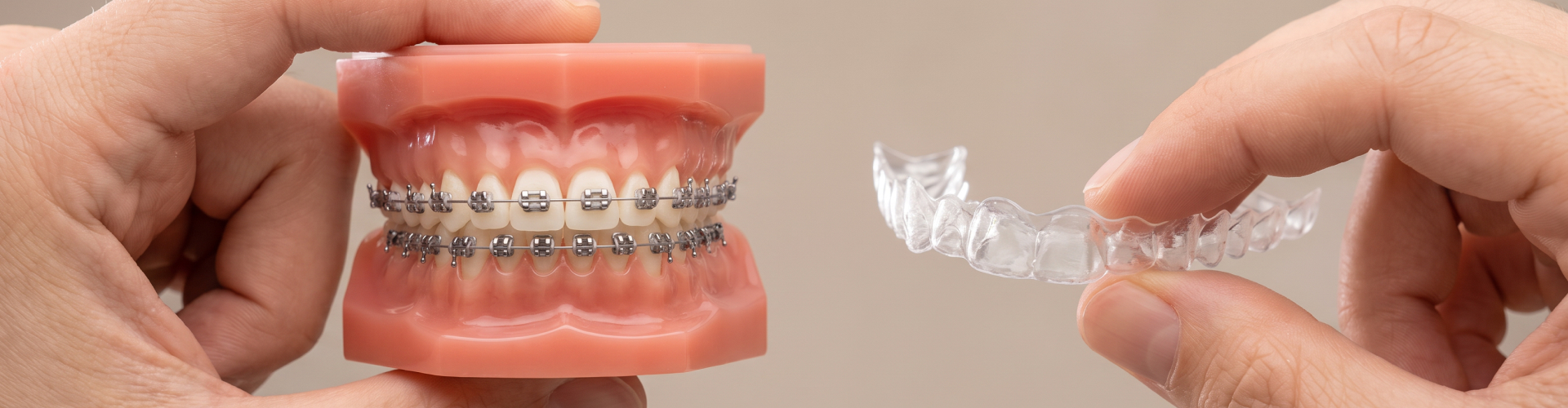
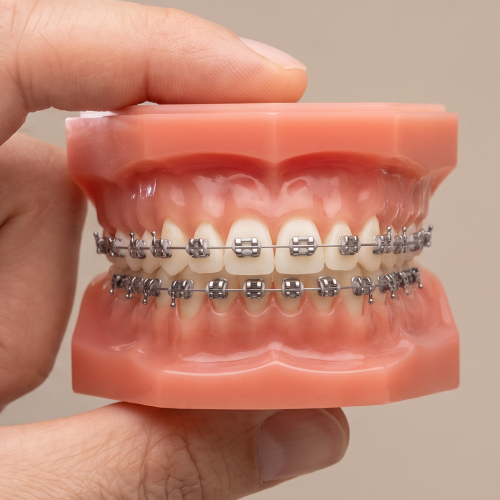
Traditional braces apply continuous force 24 hours a day through metal brackets, archwires, and elastic bands. As WebMD explains, that constant pressure is precisely what makes braces effective for severe crowding — but it also means the resting ache rarely fully disappears between adjustment appointments. Patients who need dental braces for more complex alignment issues may find this continuous pressure is simply part of the process.
One practical takeaway: if your job requires focused work during the day, Invisalign's lower resting score may matter more than its removal spike. If you dread the idea of repeated tray changes, traditional braces offer a more predictable (if duller) discomfort pattern. Braces and Faces notes that the experience of pain between these two treatment types differs not just in intensity but in character, which is why patient preference plays such a significant role in treatment selection.
Flesh Pain vs. Bone Pain: Two Completely Different Problems
Most pain guides treat all orthodontic soreness as one category. It isn't. There are two distinct biological sources, and they require different management strategies.
Bone-remodeling ache (periodontal ligament pressure) is what clear aligner wearers mostly feel. Each tray exerts targeted force on specific teeth, compressing the periodontal ligament and triggering the bone-resorption cycle that allows movement. The result is a deep, dull ache that ibuprofen addresses well because it targets the inflammatory pathway driving that remodeling process.
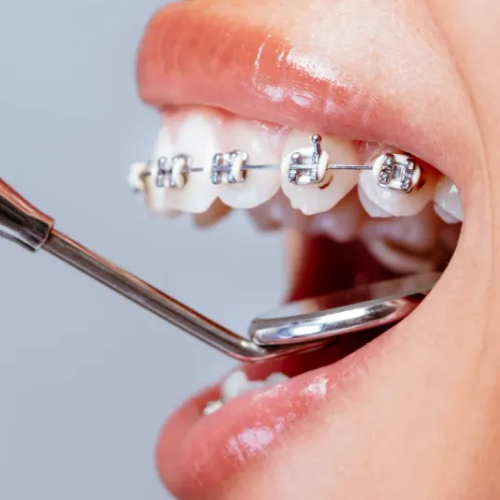
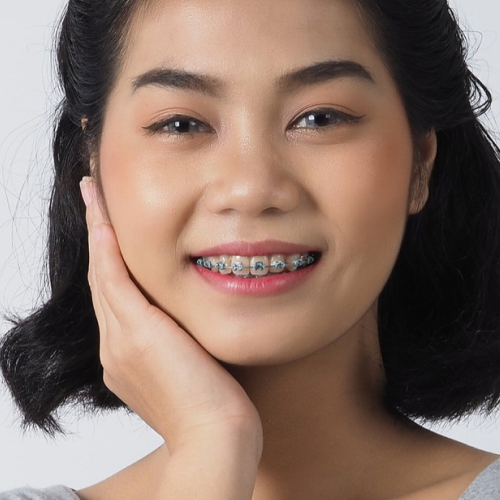
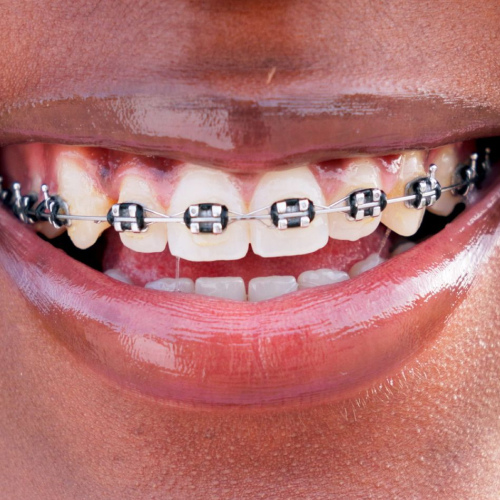
Mucosal trauma (soft tissue laceration) is the dominant complaint with metal and lingual braces. Metal brackets abrade the inner cheeks. Archwires poke the gum line. Lingual braces — mounted on the tongue-facing side of teeth — are uniquely positioned to slice the lateral borders of the tongue during normal speech and swallowing. Healthline's overview of lingual braces notes that lingual braces carry the same corrective components as conventional braces but introduce additional soft-tissue challenges because of their placement. Orthodontic wax, anesthetic rinses, and saltwater soaks address this type of pain; ibuprofen alone does not. In some cases, persistent gum irritation from braces hardware can also contribute to gum disease gingivitis, making proper oral hygiene throughout treatment especially important.
This distinction answers the question "what's the most painful type of braces?" more accurately than any single rating. For bone-deep ache, all options produce similar PDL pressure. For soft tissue trauma, lingual braces are objectively the most aggressive — patients frequently report tongue soreness that persists well beyond the standard adjustment window, particularly during meals.
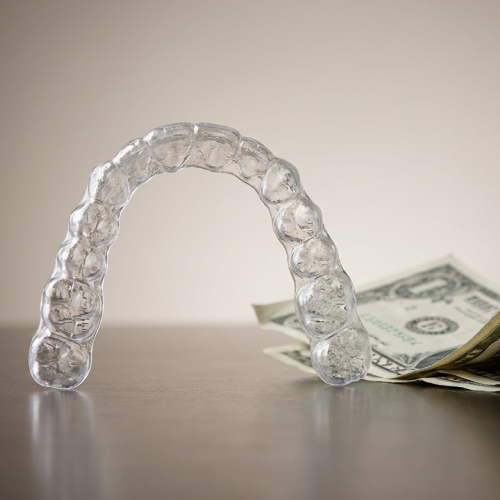
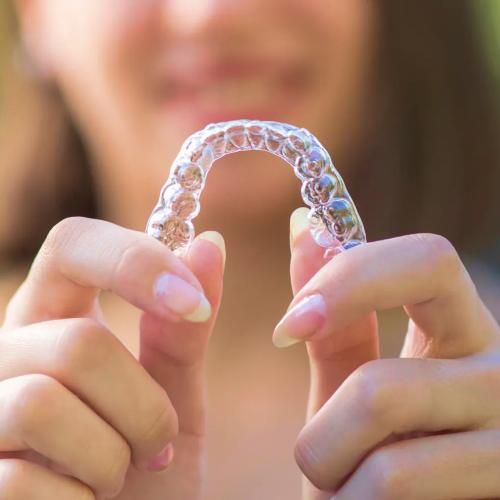
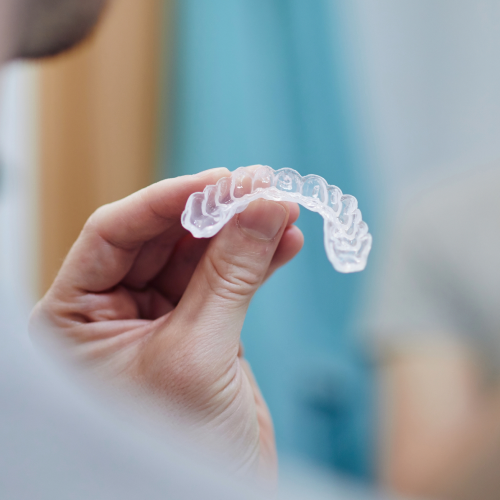
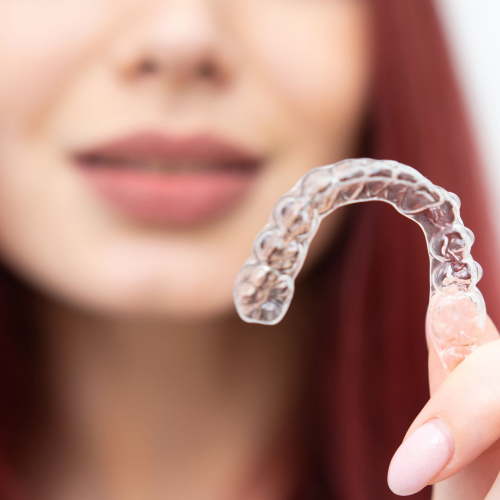
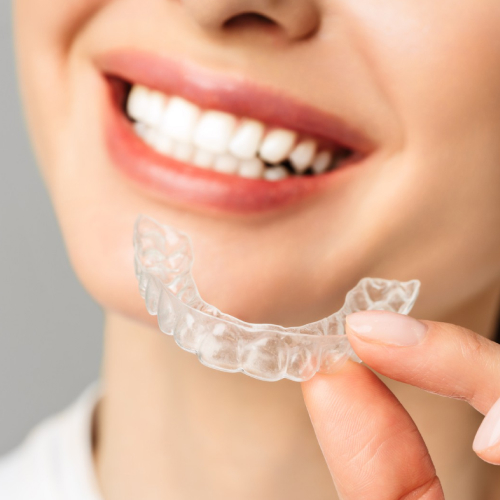
Clear aligners made from smooth medical-grade polyurethane resin largely sidestep mucosal trauma. A Healthline review of invisible braces highlights that the smooth plastic edges of Invisalign trays are custom-trimmed to the gumline, which dramatically reduces the bracket-and-wire friction that causes cheek ulcers in traditional treatment.
Pain Architecture: Planning Around the Long Game
Understanding a single bad day is useful. Understanding the pattern across your entire treatment is more valuable.
Traditional braces concentrate high-intensity discomfort (roughly 6–7/10) into 4–5 days following each archwire adjustment or power-chain placement. Those appointments recur every 6 to 8 weeks. Across an 18-to-24-month treatment, that translates to roughly 10–15 distinct high-pain episodes — each demanding soft foods, rest, and pain management. The psychological weight of knowing another adjustment is coming can feel heavier than the pain itself. If a bracket breaks or a wire snaps between appointments, that can also become a dental emergency requiring prompt attention.
Invisalign distributes lower-intensity discomfort (2–4/10) that resets every 7 to 14 days with each new tray. Healthline notes that pain symptoms from new aligners typically last 2 to 3 days per cycle, and that most wearers grow accustomed to the sensation within the first week of treatment overall. Across a full aligner series, patients may experience 30–50 low-grade discomfort windows rather than 10–15 sharp ones.
Neither architecture is objectively better — it depends on your tolerance for frequency versus intensity. Some patients find the predictable tray-change schedule easier to plan around; others prefer fewer, more defined disruptions to their routine. Discussing your lifestyle with a provider before committing to a treatment method is time well spent. Maintaining regular cleaning and exam appointments throughout your orthodontic treatment also helps catch any developing issues early and keeps your teeth and gums healthy during the process.
Research highlighted by WebMD confirms that around 90% of people with any type of braces report pain and discomfort as their primary concern — which means this isn't an edge case. It's the norm, and planning for it is part of good treatment.
Ready to Find the Right Fit for Your Smile in Spring?
Pain tolerance, treatment complexity, and lifestyle all shape which orthodontic path makes sense for you. The team at Nu Dentistry Spring serves patients throughout Spring, Texas and the greater Houston area — and we're glad to walk through your options in detail so you can choose with confidence. From clear braces to full aesthetic dentistry solutions, we offer a range of treatments to fit your needs. Reach out to schedule a consultation.
Medical disclaimer: This article is intended for informational purposes only and does not constitute professional dental or medical advice. Always consult a licensed dental provider for diagnosis and treatment recommendations specific to your situation.