Deciding on the right time for braces can be a daunting task for parents and adults alike. The timing impacts not only the effectiveness of the treatment but also the overall experience. Whether you're considering braces for yourself or your child, understanding when and how to begin the process is crucial. Below, we’ll address the three most common questions patients have about the timing of braces.
What Is the Ideal Age for Braces?
One of the most frequently asked questions is about the ideal age for braces. While there’s no one-size-fits-all answer, most orthodontists recommend evaluating a child's need for braces around the age of 7. At this age, the first permanent molars and incisors have usually come in, which provides orthodontists with a clearer view of how the teeth, jaws, and bite are developing. This early evaluation is crucial for spotting potential issues like crowding, overbite, underbite, or spacing problems that could become more complicated if left unaddressed.
However, it’s important to note that just because an evaluation occurs around age 7 doesn’t mean that treatment will begin right away. The orthodontist might decide that the child is not yet ready for braces and may recommend a "wait and see" approach, where the child is monitored over time to determine the best moment to start treatment. This early assessment is a proactive measure that helps ensure that if treatment is needed, it can begin at the optimal time for the best results.
Typically, braces are applied between the ages of 9 and 14. This period is often considered ideal because most of the child's permanent teeth have erupted, but their jaw and facial bones are still growing. This growth phase makes it easier to correct issues like misalignment, as the teeth and bones can be guided more effectively into their proper positions. The flexibility of the bones at this age allows for more efficient adjustments, which can lead to a shorter treatment time and better outcomes.
For parents, the decision to start braces during this age window can also be influenced by social factors. Children in this age group are often more accepting of braces because many of their peers are going through the same experience. This sense of shared experience can make the process less intimidating and more normalized, reducing the anxiety that some children may feel about wearing braces.
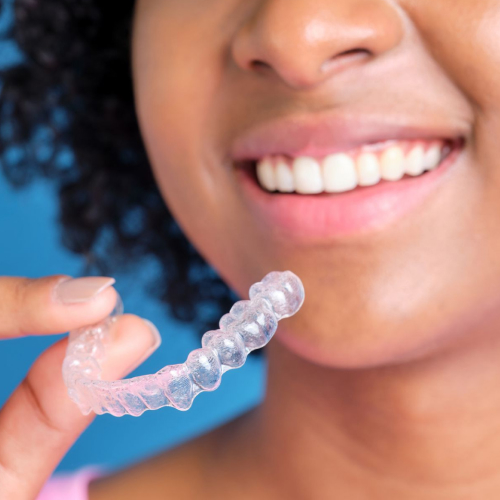
But what if your child didn’t get braces during this time frame? Or what if you're an adult considering braces for the first time? The good news is that it’s never too late to improve your smile. Advancements in orthodontic technology mean that people of any age can achieve a straight, healthy smile. Adult orthodontics is more common than ever, with options ranging from traditional metal braces to more discreet solutions like clear aligners. The process might take a bit longer in adults because their bones have stopped growing, but the results can be just as successful as in younger patients.
In conclusion, while the ideal age for braces is typically between 9 and 14, the decision ultimately depends on individual needs and circumstances. Early evaluation around age 7 can set the stage for successful treatment, but orthodontic care is effective at any age, ensuring that everyone has the opportunity to achieve a beautiful, confident smile.
How Long Will I Need to Wear Braces?
One of the most common questions patients ask is, "How long will I need to wear braces?" The answer isn’t always straightforward because the duration of orthodontic treatment can vary based on several factors. Let’s break down the key points that influence how long you might need to wear braces:
1. Individual Needs and Case Complexity
Every smile is unique, which means that the time you’ll spend wearing braces depends heavily on your specific dental needs. For example, someone with minor crowding or spacing issues may only need to wear braces for a shorter period, while someone with more complex issues like severe misalignment, an overbite, or underbite may require a longer treatment plan. Orthodontists tailor their approach based on the complexity of each case to ensure that the treatment is as effective as possible.
2. Average Treatment Duration
On average, most patients can expect to wear braces for about 18 to 24 months. This range provides a general idea of the time commitment involved, but it’s important to remember that this is just an estimate. During your initial consultation, your orthodontist will evaluate your specific situation and provide a more personalized timeline. They’ll take into account factors such as the current position of your teeth, the amount of movement required, and how your teeth and jaw respond to treatment over time.
3. Severity of Misalignment
The severity of your dental misalignment is one of the most significant factors affecting treatment duration. Mild cases, such as slight spacing or crowding, may only require braces for a year or even less. On the other hand, more severe cases, where teeth are significantly out of place or jaw misalignment is present, might extend the treatment period to two years or more. In some complex cases, additional orthodontic devices, such as expanders or headgear, may be needed before or during the course of wearing braces, which can also impact the overall duration.
4. Type of Braces
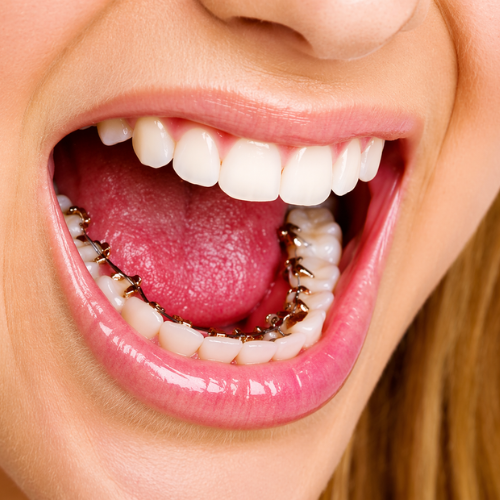
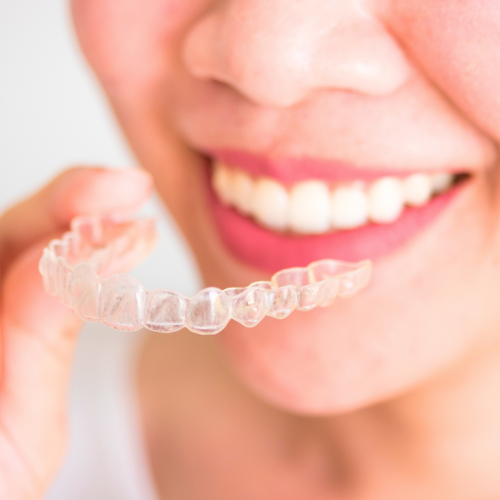
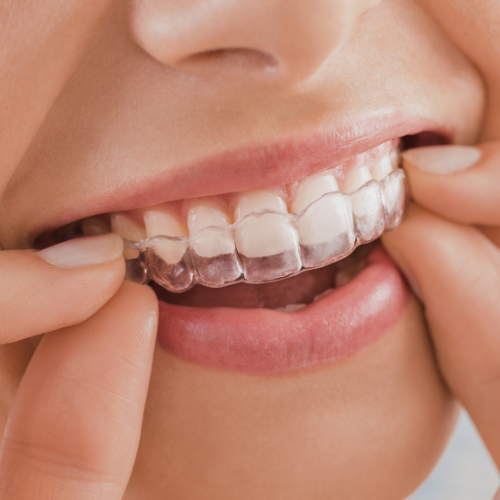
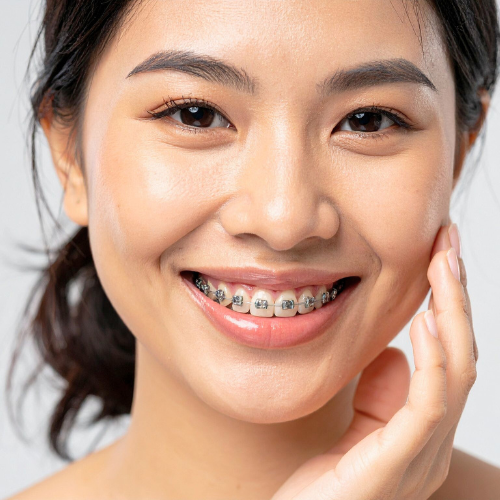
The type of braces you choose can also influence the length of your treatment. Traditional metal braces, ceramic braces, lingual braces (which are placed on the inside of the teeth), and clear aligners like Invisalign all offer different benefits and timelines. For instance, clear aligners often require more frequent changes and can be removed during meals, but they rely heavily on patient compliance. Metal braces, being the most durable, can sometimes move teeth more efficiently. During your consultation, your orthodontist will discuss which type of braces is best suited for your needs and how each option might affect the treatment length.
5. Patient Compliance
One of the most critical factors that can affect how long you need to wear braces is your level of compliance with your orthodontist’s instructions. This includes attending all scheduled appointments, following guidelines for wearing elastics (rubber bands), maintaining good oral hygiene, and avoiding foods that could damage your braces. Non-compliance can lead to setbacks, such as broken brackets or prolonged treatment time. On the other hand, diligent care and following your orthodontist’s advice can help ensure your treatment stays on track and even reduces the time needed to achieve the desired results.
6. Accelerated Orthodontic Options
For those seeking a quicker path to a perfect smile, accelerated orthodontic options are available. These methods can include technologies or procedures that speed up tooth movement, such as Propel or AcceleDent, which are used in conjunction with traditional braces or clear aligners. However, while these options can reduce treatment time, they are not suitable for everyone. Accelerated treatments require careful consideration and a thorough consultation with your orthodontist to determine if they are appropriate for your case. They may also involve a higher level of commitment to maintaining the treatment regimen and ensuring that the faster pace does not compromise the quality of the results.
The time you’ll need to wear braces depends on a variety of factors, from the complexity of your dental issues to the type of braces you choose and how well you follow your treatment plan. On average, most people wear braces for 18 to 24 months, but this timeline can vary. Discussing your goals and needs with your orthodontist is the best way to get a clear understanding of what to expect.
When Should I Schedule an Orthodontic Consultation?
Timing an orthodontic consultation is key to ensuring the best possible outcome. If you're considering braces for your child, it’s wise to schedule an initial consultation around the age of 7, as mentioned earlier. This allows the orthodontist to detect any emerging issues and plan accordingly.
For adults, you can schedule a consultation at any time, especially if you notice dental concerns like crowding, gaps, or bite issues. Even if you’re unsure whether you or your child needs braces, an orthodontic consultation provides a professional evaluation and peace of mind.
Conclusion: Take the First Step Toward a Perfect Smile
Determining the right time for braces involves considering various factors like age, treatment duration, and personal dental needs. Whether for your child or yourself, understanding these aspects can make the process smoother and more effective. If you're contemplating braces or simply want to know more about the options available, there's no better time than now to get started.
Schedule an appointment with us today to discuss your unique needs and begin the journey toward a healthier, more confident smile.