Cracking the code of dental insurance doesn't have to be like solving a complex puzzle. With a bit of guidance and the right information, you can easily understand the ins and outs of dental coverage. In this blog, we'll shine a light on the often-confusing world of dental insurance, answering the most pressing questions about PPO and HMO plans. Let's explore how these options impact your smile and overall health.
Is It Worth Having Dental Insurance?
The question of whether dental insurance is worth the investment goes beyond mere financial considerations. It's an integral part of safeguarding your overall health. Good oral health is linked to your general well-being, and dental insurance plays a critical role in maintaining it. Let’s delve deeper into how dental insurance is not just an expense but an essential investment in your health.
Preventive Care: The Frontline of Oral Health
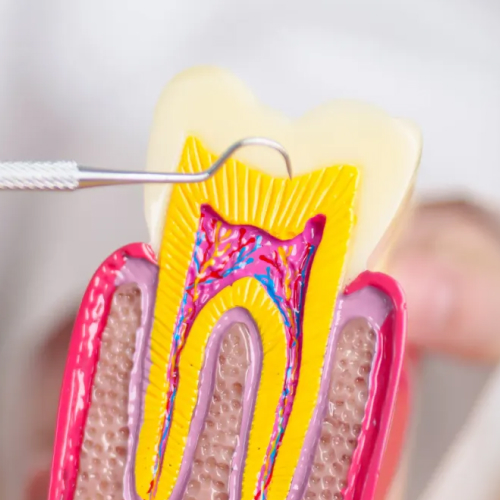
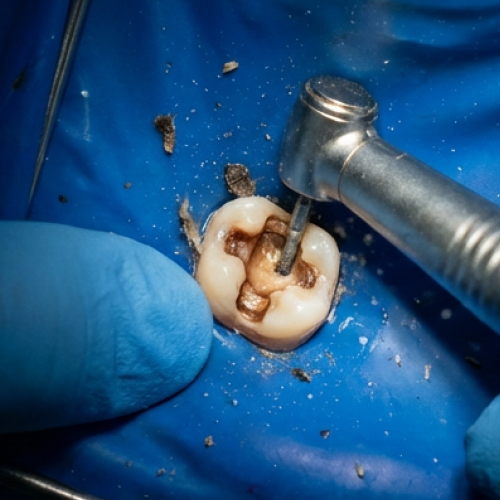
Dental insurance often acts as your first line of defense, focusing on preventive care. This includes routine cleanings, check-ups, and x-rays. These services are crucial, not just for maintaining oral health but also for early detection of potential issues. For instance, regular cleanings help prevent plaque build-up, a primary cause of gum disease and tooth decay. Early detection of cavities can prevent more extensive and costly treatments like root canals. Think of preventive care as the guardian that keeps the bigger, badder dental problems at bay.
Beyond Cleanings: Comprehensive Dental Health Coverage
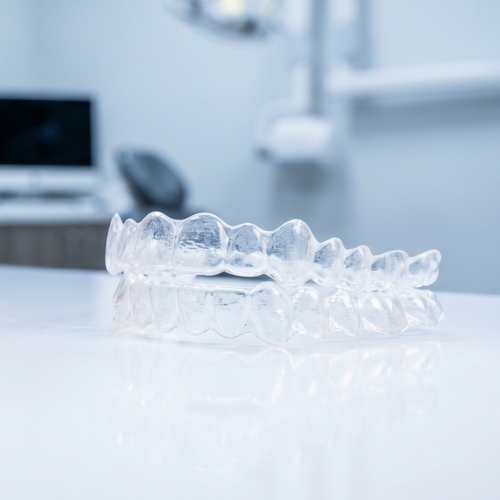
Many dental insurance plans extend beyond just cleanings and check-ups. They often cover a significant portion of the cost for more extensive procedures such as fillings, crowns, root canals, and sometimes even orthodontics and periodontics. This aspect of dental insurance is particularly valuable, as these treatments can be quite expensive. For instance, orthodontic treatment is not just about a better smile; it's about correcting bite issues that can impact your overall dental health. Insurance that covers a part of these costs makes these necessary treatments more accessible and less financially burdensome.
Dental Emergencies: A Safety Net
Another critical aspect of dental insurance is its role in emergency care. Dental emergencies can happen to anyone, and the costs associated with treating these emergencies can be significant. Whether it's a broken tooth or an acute infection, having dental insurance means you're not left grappling with a huge bill in unexpected situations.
Budgeting for Health
One of the most practical benefits of dental insurance is its ability to turn health care into a planned expense. Instead of being hit with a sudden, large dental bill, you have a predictable monthly premium. This makes financial planning for health care much easier and less stressful. Regular dental expenses become a manageable part of your budget, not an unwelcome surprise.
Long-Term Health Benefits
Investing in dental insurance is also an investment in your long-term health. Poor oral health has been linked to various systemic health issues, including heart disease, diabetes, and stroke. By maintaining good oral health through regular dental care facilitated by insurance, you're potentially reducing the risk of these associated health problems.
Peace of Mind
Lastly, there's an intangible yet invaluable aspect of having dental insurance – peace of mind. Knowing that you and your family are covered for dental care can relieve a great deal of stress and anxiety. It ensures that dental health is a priority and that you have the means to support it.
Dental insurance is not just a monetary transaction; it's an investment in your health, well-being, and peace of mind. It ensures that you don't have to compromise on your oral health due to financial constraints, and it keeps you prepared for both routine care and unexpected dental needs.
Which is Better: PPO or HMO Dental Insurance?
Choosing the right dental insurance plan is crucial for both your oral health and financial well-being. The two main types of dental insurance plans are Preferred Provider Organization (PPO) and Health Maintenance Organization (HMO). Each has its unique features, benefits, and limitations. Let's dive deeper into these plans to help you determine which might be the better fit for your needs.
PPO: Flexibility and Freedom
-
Wider Network:
PPO plans are known for their extensive network of dentists. This variety gives you the flexibility to choose a dentist who meets your specific needs, whether it's location, specialization, or experience. For those who place high value on being able to select their dental care provider, a PPO plan is often the preferred choice.
-
Out-of-Network Options:
One of the most significant advantages of a PPO plan is the ability to see dentists outside the network. This is particularly beneficial if you have a long-standing relationship with a dentist who isn't in the plan's network or if you need specialized care that's only available outside the network. However, it's important to note that visiting an out-of-network dentist usually means higher out-of-pocket costs.
-
Direct Payment:
In a PPO plan, the insurance company typically pays the dentist directly, reducing your upfront costs. This can simplify the payment process, as you’re only responsible for your portion of the bill, such as co-pays or any costs above your plan's coverage limit.
-
Higher Flexibility, Higher Cost:
While PPO plans offer more freedom and choice, they often come with higher monthly premiums and deductibles. This is the trade-off for the increased flexibility and wider range of options that PPO plans provide.
HMO: Structured and Cost-Effective
-
Lower Premiums:
HMO plans are generally more budget-friendly, with lower monthly premiums compared to PPO plans. This makes them an attractive option for individuals and families looking for affordable dental coverage.
-
No Annual Maximums:
Many HMO plans do not have annual maximums, meaning there’s no cap on the amount they will pay for your dental care within the year. This can be especially beneficial if you require extensive dental work, as you won't have to worry about exceeding a coverage limit.
-
Pre-Selected Dentists:
HMO plans require you to choose a dentist from a specific network. While this can limit your choices, these networks are usually comprehensive, with a variety of dentists to choose from. However, if you seek care outside this network, it typically isn’t covered, unlike PPO plans.
-
Streamlined Costs, Limited Choice
The streamlined cost structure of HMO plans is a major advantage, but it comes with reduced flexibility. If you are comfortable with choosing a dentist from a predetermined network and prioritize lower monthly costs, an HMO plan could be a suitable choice.
Making Your Choice: PPO vs. HMO
Ultimately, the choice between a PPO and HMO dental insurance plan depends on your specific needs and preferences. If you value flexibility and a wider choice of dentists, and don’t mind paying higher premiums, a PPO plan may be best for you. On the other hand, if keeping costs low is your priority and you are comfortable with choosing a dentist from a network, an HMO plan could be the ideal option.
Each type of plan has its unique advantages, and understanding these can help you make an informed decision. Remember, the right dental insurance plan is one that not only fits your budget but also adequately covers your dental care needs.
Why is PPO More Expensive Than HMO?
Understanding the cost difference between PPO and HMO dental plans is crucial in making an informed choice. Here's why PPOs often come with a higher price tag:
The Price of Flexibility:
PPO plans offer more flexibility in choosing your dentist, including the option to go out-of-network. This broader choice and convenience come at a premium.
Higher Reimbursement Rates:
Dentists in PPO networks generally receive higher reimbursement rates for services, which translates into higher premiums for patients.
Administrative Costs:
The administration of PPO plans, with their more complex billing and reimbursement systems, can also contribute to higher costs.
As you chew over these facts, remember that the right dental insurance plan can be a gateway to not just a brighter smile but also a healthier life. We believe in providing top-notch dental care tailored to your individual needs. Our team is ready to assist you in understanding your dental insurance options and how they work with our services.
Ready to take a step towards a healthier smile? Schedule your appointment with us today and experience the difference in your oral health. Your journey to a happier, healthier mouth starts here!