Periodontal maintenance is more than just a dental routine—it's a fundamental component of overall well-being. With rising awareness about the interconnection between oral health and general health, understanding and adhering to periodontal maintenance is crucial. This blog delves into how neglecting oral health can affect your body, what happens during periodontal maintenance, and the role of laser treatment in managing periodontal diseases.
How Does Poor Oral Health Affect Health?
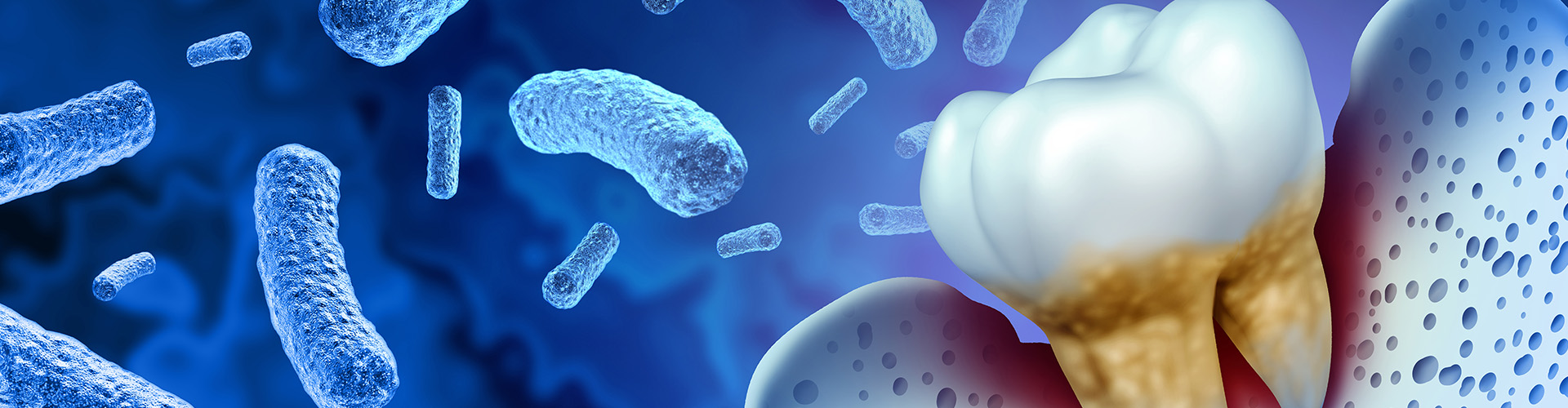
Neglecting oral health can have far-reaching consequences beyond just tooth decay and gum disease. Periodontal diseases, primarily caused by poor oral hygiene, act as a gateway to numerous systemic health issues, profoundly impacting overall well-being.
Research has consistently shown a strong correlation between periodontal diseases and an increased risk of cardiovascular problems. The bacteria from inflamed gums can enter the bloodstream, leading to the buildup of arterial plaque, which can heighten the risk of heart attacks and strokes. Inflammation caused by chronic periodontal disease can also exacerbate existing heart conditions, underlining the critical need for regular oral care.
Moreover, the link between periodontal disease and diabetes is bidirectional. Not only does diabetes increase the risk of developing gum disease due to higher susceptibility to infections, but severe periodontal disease can also complicate blood sugar control, further aggravating diabetic conditions. This interaction creates a cycle that can be difficult to break without proper dental intervention.
Respiratory infections, too, can be traced back to poor oral health. Bacteria from infected gums and teeth can be inhaled into the lungs or travel through the bloodstream, leading to lung conditions such as pneumonia, especially in individuals with pre-existing respiratory problems.
Pregnancy complications are another serious concern associated with periodontal disease. Expectant mothers with gum disease have a higher risk of delivering preterm and low-birth-weight babies. The theory is that oral bacteria releasing toxins affect the growth of the fetus, while the body's natural response to these toxins can induce premature labor.
Furthermore, periodontal disease has been linked to other health issues like rheumatoid arthritis, osteoporosis, and certain types of cancer, highlighting the systemic nature of oral health impacts. Bacteria from gum disease can increase inflammation throughout the body, which is a known risk factor for many of these conditions.
Therefore, maintaining optimal oral hygiene and adhering to regular dental check-ups are not just about preserving your smile but also about preventing a plethora of health complications that can significantly affect your quality of life.
What Happens During Periodontal Maintenance?
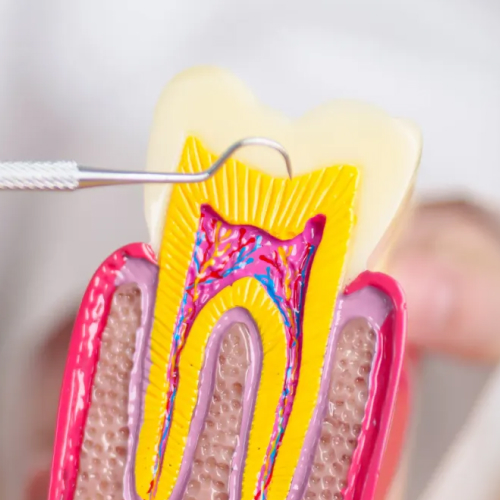
Periodontal maintenance is an essential, ongoing treatment strategy designed to halt the progression of periodontal disease and maintain the health of the gums and teeth. This specialized cleaning procedure goes beyond regular dental cleaning to address the needs of patients who have experienced periodontal disease.
During these maintenance visits, which typically occur every three to four months, a dental hygienist or periodontist performs an in-depth cleaning of the teeth and gums. The focus is on the pockets that form between the gums and teeth, which are prone to accumulating harmful plaque and tartar. These substances, if not removed, can lead to further gum degradation and bone loss.
The periodontal maintenance process includes several critical steps to ensure the thorough cleaning and health of the oral cavity:
Comprehensive Examination: Before beginning the cleaning process, the dental professional conducts a thorough examination of the patient's mouth, checking for any changes in the health of the gums and the depth of the periodontal pockets. This examination often includes taking X-rays to assess the bone levels around the teeth.
Scaling and Root Planing: This deep-cleaning method removes plaque and tartar from above and below the gum line. Root planing smooths the tooth root surfaces, helping the gums reattach to the teeth and reducing pocket depth.
Polishing and Fluoride Treatment: After scaling and root planing, the teeth are polished to remove any remaining plaque and to smooth the tooth surface, making it more difficult for plaque to accumulate. A fluoride treatment may also be applied to help strengthen the teeth and prevent cavities.
Pocket Depth Measurement: The depths of the periodontal pockets are measured again after cleaning to monitor the health of the gums and the effectiveness of the treatment. This measurement helps in assessing the progress and determining the next steps in the maintenance plan.
Personalized Oral Hygiene Instructions: After the cleaning, patients receive personalized instructions on how to care for their teeth and gums at home. This includes recommendations on brushing and flossing techniques, as well as suggestions for products that can help maintain oral health.
Regular periodontal maintenance sessions are crucial not only for managing the health of your gums but also for preserving the overall health of your mouth. They allow for early detection and treatment of new or recurring periodontal issues, ensuring the longevity and strength of your teeth and gums. By committing to a regular maintenance schedule, patients can significantly reduce the risk of further periodontal disease progression and maintain a healthier, stronger smile.
Does Periodontal Laser Treatment Work?
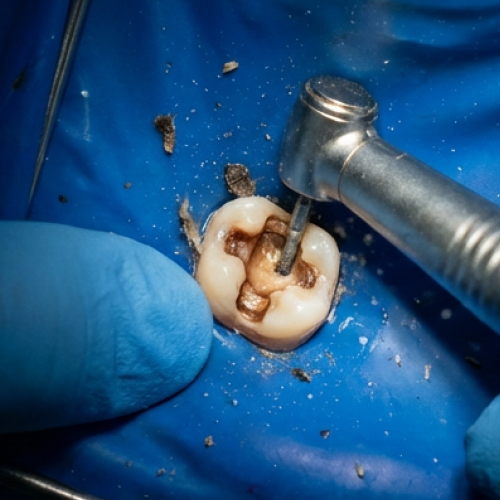
Laser treatment in periodontics has gained popularity due to its minimally invasive nature and effective results. This procedure uses laser technology to remove infected tissue and harmful bacteria from the gums, promoting healing and tissue regeneration. Studies have shown that periodontal laser treatment can reduce pocket depth and improve attachment levels, making it a viable option for managing gum disease. However, the effectiveness of laser treatment depends on the extent of the periodontal disease and individual patient conditions.
Periodontal maintenance is not just a dental issue; it's a health priority. Regular dental visits for periodontal care are vital to detect issues early and maintain overall health. If you're concerned about your gum health or have been advised to undergo periodontal maintenance, don't hesitate. Schedule an appointment with our dental office today to ensure your oral health is in the best hands. Protect your smile, protect your health!