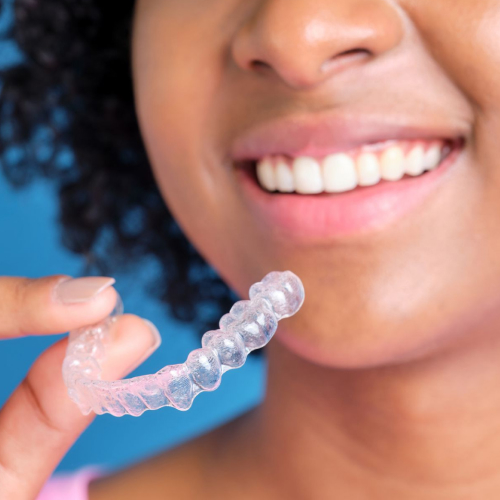
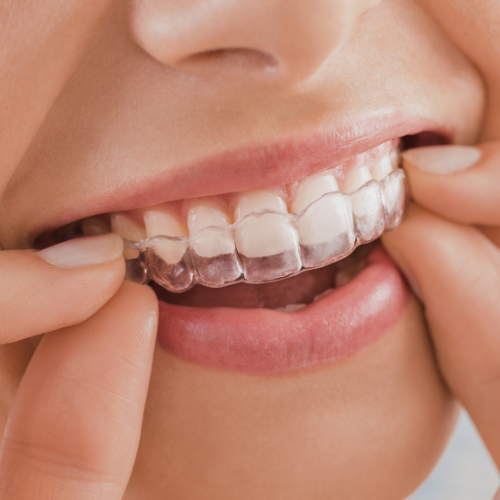
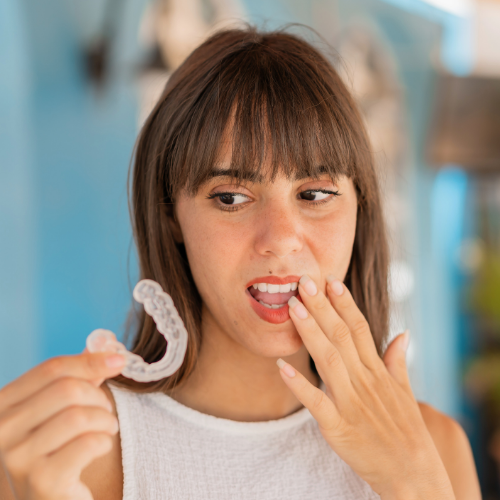
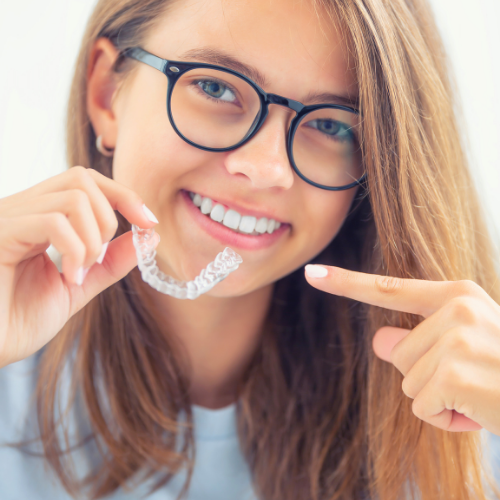
Invisalign Trays Not Fitting? A Spring, TX Dentist Explains Gaps, Tracking, and Refinements
Invisalign trays not fitting right in Spring, TX? Learn about tracking, gaps, and refinements. Call Nu Dentistry Spring today.
Read More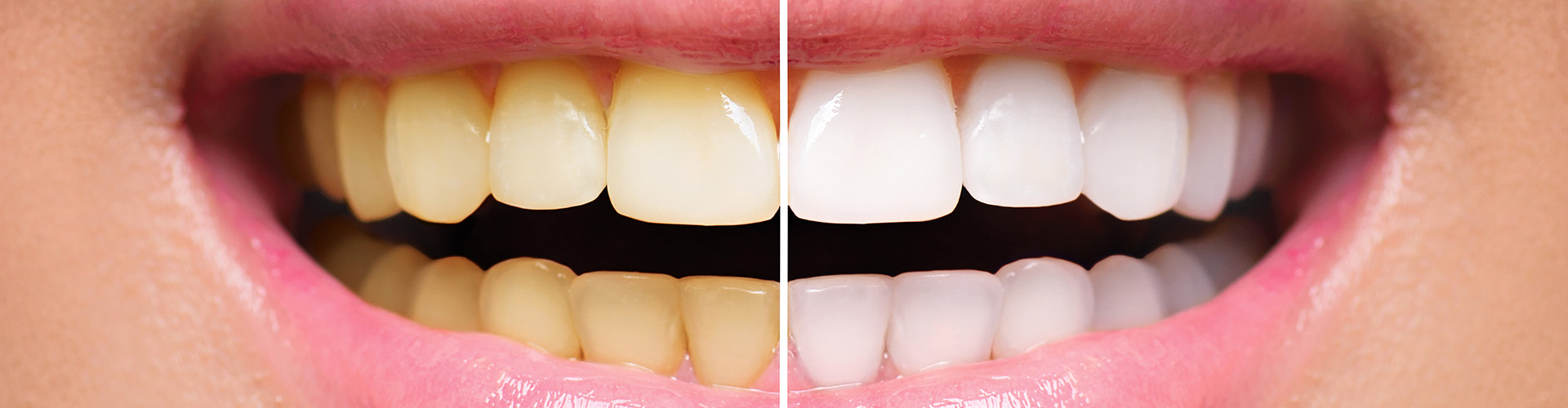
In the quest for a dazzling smile, teeth whitening stands out as a popular and transformative dental treatment. As we delve into the best teeth whitening options for 2024, it's crucial to understand the different methods available, their effectiveness, and how they cater to various dental needs.
Choosing the best teeth whitener is a decision that should be tailored to your unique dental profile and whitening objectives. The advances in dental care and technology in 2024 have expanded the range of effective teeth whitening options, each designed to cater to different preferences and needs.
Professional In-Office Whitening
Performed under the careful supervision of a dental professional, in-office whitening utilizes high-concentration bleaching agents that are not available over the counter. This method is particularly effective for those who want quick and significant results, as it can lighten teeth several shades in a single appointment. The process typically involves the application of a protective barrier to the gums, followed by the bleaching agent to the teeth, which is then activated by light or laser to enhance its effectiveness. This controlled environment allows for safe, efficient, and uniform whitening, making it a preferred option for those with sensitive teeth or specific cosmetic goals.
Custom-Fit Home Whitening Trays
For those who prefer the convenience of home treatment with professional results, custom-fit whitening trays are an excellent choice. These trays are made from molds of your teeth, providing a perfect fit that ensures the even application of the whitening gel. The customization minimizes the risk of gum irritation and allows for the use of professional-grade whitening solutions that offer more noticeable results than over-the-counter products. This method is ideal for individuals looking for a balance between effectiveness and flexibility in their whitening regimen.
Over-the-Counter Whitening Kits
These kits are the most accessible form of teeth whitening and are perfect for those who prefer a do-it-yourself approach. Available in various forms, such as strips, gels, and pens, over-the-counter whitening kits can provide good results for those with mild staining or as a maintenance method after professional whitening. They are designed for ease of use and are generally less potent than professional options, making them a suitable choice for first-time users or those with minor discoloration.
Whitening Toothpaste and Mouthwashes
Incorporating whitening toothpaste and mouthwashes into your daily oral care routine can help tackle surface stains and prevent new stains from forming. These products often contain mild abrasives or chemicals that assist in removing stains on the tooth surface. While they are less aggressive than other whitening methods, they can be effective in maintaining a whiter smile post-treatment and are an excellent supplement to professional whitening services.
In summary, the best teeth whitening option for you in 2024 will depend on your personal dental health, the degree of whitening desired, and your lifestyle preferences. Whether you opt for the immediate impact of professional in-office whitening, the tailored approach of custom-fit trays, the convenience of over-the-counter kits, or the gradual effects of whitening toothpaste and mouthwashes, the right choice will align with your individual needs and goals for a brighter, more confident smile.
Understanding why teeth whitening may not always yield the desired results involves delving into the intricacies of dental health and the whitening process. Several factors play crucial roles in determining the effectiveness of teeth whitening treatments:
Type of Staining
Stains on teeth are categorized into two types: intrinsic and extrinsic. Extrinsic stains are those that appear on the surface of the teeth and are often caused by dietary habits, such as consuming coffee, tea, red wine, and tobacco products. These surface stains generally respond well to regular dental cleanings and whitening treatments. In contrast, intrinsic stains are located within the tooth enamel and can result from medication use, trauma, excessive fluoride exposure during tooth development, or certain illnesses. These stains are integrated into the structure of the teeth, making them more stubborn and difficult to eliminate with conventional whitening methods.
Dental Restorations
Dental materials used in restorations like crowns, veneers, fillings, and bridges do not respond to bleaching agents the way natural teeth do. Consequently, patients with numerous dental restorations may experience uneven whitening results, as the natural teeth might lighten while the restorative materials remain unchanged. This discrepancy can lead to a mismatched appearance, requiring professional assessment and potentially different cosmetic treatments to achieve uniform coloration across all teeth.
Age and Genetics
The natural aging process can impact the color of teeth. As we age, the enamel layer thins, revealing the underlying dentin, which is naturally yellower. This physiological change can make older teeth less responsive to whitening treatments. Genetics also play a significant role in determining the baseline color of one's teeth. Some individuals naturally have thicker or more translucent enamel, affecting the teeth's appearance and their response to whitening.
Oral Hygiene and Previous Dental Treatments
The overall condition of one's oral hygiene and the history of dental treatments can influence the whitening process. Teeth covered with plaque or tartar may not whiten effectively, as these deposits can block the bleaching agents from penetrating the enamel. Regular dental cleanings and check-ups are crucial for maintaining a healthy foundation for whitening treatments. Furthermore, teeth that have undergone significant restorative work, like fillings or root canals, may react differently to whitening agents.
Lifestyle Factors
Habits such as smoking and consuming staining foods and beverages can continuously deposit new stains on teeth, countering the effects of whitening treatments. For long-lasting whitening results, it's essential to address these lifestyle factors and maintain a routine that supports dental health and aesthetics.
In summary, the effectiveness of teeth whitening is influenced by a combination of internal and external factors, including the type of staining, dental restorations, age, genetics, oral hygiene, and lifestyle habits. Understanding these factors can help in setting realistic expectations and selecting the most appropriate whitening treatment to achieve a brighter smile. For those contemplating the best method to enhance their smile, we invite you to schedule a consultation with our dental office. Our team is dedicated to helping you achieve your dream smile with the latest in teeth whitening technology. Contact us today to explore the best options for your smile transformation in 2024!
Fresh news from the dental world
See what a visit to our modern, state-of-the-art dentist office is like!






Sunday Closed
Monday - Friday 9am - 6pm
Saturday 9am - 3pm
Check out what our patients are saying in Spring, TX


“The Best Dentist In Spring”
We have been looking for a family dentist for a long time, we have tried a bunch of places but nothing felt quite like home. Not too long ago we stumbled upon Nu Dentistry and met Dr. Ali. Not only was he professional, kind, and gentle, but he always finds a way to fit us in when we need an appointment. He’s also pretty funny! I appreciate that he takes the time to explain what he’s doing, before he does it. That really puts me at ease.

“Never Thought I'd Say It”
I never thought I’d say it, but going to the dentist is actually fun now. I recently came in for a root canal, and I got to sit back and catch up on Stranger Things without any pain!

“Anxiety Has Kept Me Away ”
I usually have such huge anxiety when I go to a dentist appointment, which means I always put off visits until the last minute to disastrous consequences. However, Dr. Loggins helped me with sedation, so the entire process was a breeze!
“The Best Dentist In Spring”
We have been looking for a family dentist for a long time, we have tried a bunch of places but nothing felt quite like home. Not too long ago we stumbled upon Nu Dentistry and met Dr. Ali. Not only was he professional, kind, and gentle, but he always finds a way to fit us in when we need an appointment. He’s also pretty funny! I appreciate that he takes the time to explain what he’s doing, before he does it. That really puts me at ease.
“Never Thought I'd Say It”
I never thought I’d say it, but going to the dentist is actually fun now. I recently came in for a root canal, and I got to sit back and catch up on Stranger Things without any pain!
We are proud members of these dental organizations and accreditations


We are dedicated to providing you with only the best quality dental care


