Imagine needing dental work but feeling an intense anxiety just thinking about sitting in the dentist's chair. You're not alone. According to the American Dental Association, millions of Americans avoid the dentist due to fear. This is where sleep dentistry comes in, serving as a bridge over that anxiety river, taking you towards your dental health goals.
How Does Sleep Dentistry Work?
Sleep dentistry, also known as sedation dentistry, represents a transformative approach to dental procedures. This method introduces sedatives to help patients relax or even sleep through their treatment. It's a powerful tool designed to quell dental fears, enabling patients to receive essential oral care without the stress and anxiety often associated with dental visits.
The core principle of sleep dentistry revolves around the use of sedatives - drugs designed to induce relaxation, sleepiness, or even unconsciousness. The potency of sedation varies depending on multiple factors such as the nature and length of the procedure, the patient's anxiety level, medical history, and sometimes even their personal preference.
Understanding Levels of Sedation
The levels of sedation are typically categorized into four broad types: minimal sedation, moderate sedation, deep sedation, and general anesthesia.
- Minimal Sedation: Under minimal sedation, you're relaxed but fully awake and responsive. This is often used for minor dental procedures and for patients with low anxiety levels.
- Moderate Sedation: Previously termed as "conscious sedation," moderate sedation leaves you awake, but in a dream-like state. You might slur words and may not remember much of the procedure afterwards.
- Deep Sedation: Under deep sedation, you're on the edge of consciousness but can still be awakened. This type of sedation is typically reserved for more invasive or longer procedures.
- General Anesthesia: With general anesthesia, you're completely unconscious. This is typically used for surgical procedures or for patients with extreme anxiety or special needs.
The Role of the Dentist
The administration of these sedatives is carried out by a dentist trained and qualified in sleep dentistry. They're not just your average dentists. They possess specialized training that empowers them to safely administer sedatives and manage any potential side effects.
Sleep dentistry has the power to transform your dental experience into a more serene journey, taking the dread out of dental procedures and replacing it with peace and relaxation.
What Do Dentists Use to Sedate You?
There are several sedatives that dentists may use, and they each work in slightly different ways. Let's talk about a few common ones:
Nitrous Oxide: The Laughing Gas
A commonly used sedative in dentistry is Nitrous Oxide, often colloquially known as "laughing gas." This sedative is inhaled through a mask that fits over your nose. The gas itself doesn't induce laughter, as the name might suggest. Instead, it promotes a sense of calm, relaxation, and sometimes a bit of a giddy feeling – hence the name.
One of the main advantages of nitrous oxide is its fast-acting nature. Almost as soon as you breathe it in, its relaxing effects start to take hold. Plus, the level of sedation can be adjusted by your dentist throughout the procedure. The gas is also quick to leave your system, meaning its effects wear off shortly after the mask is removed, allowing you to recover quickly post-procedure.
Oral Sedatives: Pills of Calm
Oral sedatives are another popular option. These are medications that you take orally as pills or liquids. The process couldn't be simpler – swallow the pill with some water, and then wait for the calming effects to kick in.
One of the most commonly used oral sedatives is Diazepam. It's often used to relieve anxiety before a dental procedure. These pills can cause drowsiness and sometimes amnesia, which means you might not remember parts or all of the procedure. Keep in mind, the onset of the sedative effects takes a bit longer than with nitrous oxide, and the effects can linger for a few hours after your procedure.
IV Sedatives: Direct and Adjustable
Intravenous or IV sedatives are administered directly into a vein, typically in your arm or hand. This delivery method allows the medication to take effect rapidly.
IV sedation offers an extra level of control to the dentist, who can adjust the level of sedation throughout the procedure. This capability is particularly useful for longer procedures or for patients with high levels of anxiety.
General Anesthesia: A Deep Sleep
When the dental procedure is complex, lengthy, or potentially very uncomfortable, or when the patient suffers from extreme dental anxiety, general anesthesia might be the option of choice. This method of sedation renders you either nearly or entirely unconscious.
Under general anesthesia, you won't feel any pain, and you won't remember the procedure. Because of the depth of this unconscious state, a professional anesthesiologist usually administers this type of sedation and monitors you throughout the procedure. After the procedure, you won't wake up until the effects of the anesthesia have worn off or are reversed with other medications.
Each type of sedative used in sleep dentistry has its benefits and uses, and your dentist will recommend the best option for you based on your specific needs, medical history, and the nature of the dental procedure. It's all about making your dental care as comfortable, painless, and stress-free as possible.
What Does Being Put to Sleep Feel Like?
The sensation of being sedated for dental procedures can vary widely from person to person and depends on the type of sedation used. For mild sedation methods like nitrous oxide or low-dose oral sedatives, you may feel a sense of calm and relaxation, or even euphoria, but you'll still be awake and able to communicate.
With more potent sedation methods, like IV sedation or general anesthesia, you might feel drowsy and might not remember much, if anything, about the procedure. With general anesthesia, you won't feel any pain because you'll be completely unconscious.
The general consensus is that the experience can be likened to a deep, dreamless sleep. One moment you're in the dental chair, and the next moment, you're waking up with the procedure all done, with little to no recollection of the process.
More Than Just Fear
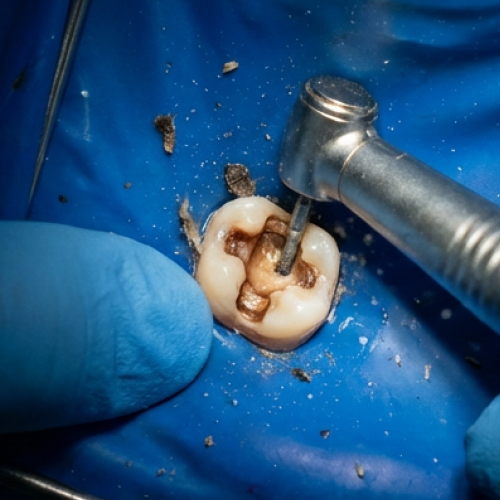
It's worth noting that sleep dentistry isn't only for those who fear dental procedures. It can also be a suitable option for those with low pain thresholds, sensitive gag reflexes, or those who need a large amount of dental work done in a single sitting, for example during a root canal procedure.
Remember, your comfort, safety, and overall well-being are paramount to your dentist. They want to ensure that your dental health doesn't take a backseat due to anxiety, fear, or discomfort.
Ready for a Dental Snooze?
Sleep dentistry has revolutionized the way patients perceive dental procedures. By ensuring patients are comfortable, relaxed, and pain-free, it eliminates the anxiety and fear often associated with dental visits.
Do you have more questions about sleep dentistry? Are you interested in finding out if it's the right option for your next dental procedure? Our team of dedicated professionals is ready and willing to guide you through your sleep dentistry journey.
We encourage you to schedule a consultation today. We're here to answer your questions, address your concerns, and ensure your journey to oral health is a pleasant dream, not a nightmare. It's time to prioritize your dental health, without the fear.