Invisalign and Braces Quotes: What Those Numbers Actually Mean
Wondering if your Invisalign or braces quote is fair? Learn what costs really mean. Book a consultation with Nu Dentistry Spring today!
Read More
Medically Reviewed by Dr. Tameemi
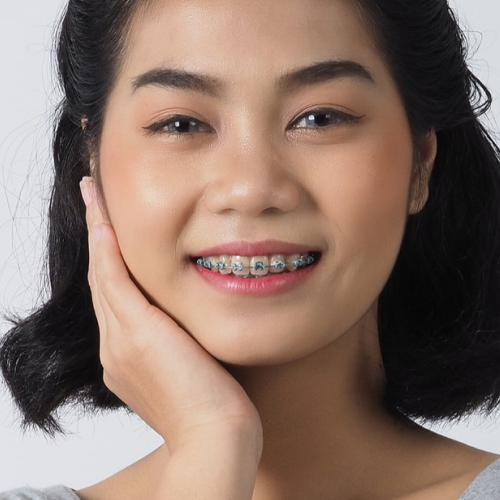
Traditional metal braces remain one of the most effective orthodontic tools available, but insurance coverage is rarely as generous as it appears on paper. Understanding how your benefits actually calculate — and what metal brackets can do that other options cannot — helps you make a genuinely informed decision. For Spring-area patients exploring dental braces for the first time or reconsidering your options, the details below matter.
When most people see orthodontic coverage listed on their benefits summary, they assume their insurer will cover a full percentage of treatment. That assumption is often incorrect, and the gap can be significant.
Nearly every employer-sponsored dental PPO includes a Lifetime Orthodontic Maximum (LOM) — a separate, fixed cap on orthodontic benefits that is completely independent of your annual dental maximum. Even when a plan states a specific coverage percentage, benefits frequently cut off once the lifetime maximum is reached, meaning insurance pays far less of the total treatment than the percentage suggests.
There's a second trap hiding in the fine print: the "Age 19" adult orthodontic exclusion. The vast majority of employer-sponsored dental plans restrict orthodontic benefits entirely to dependents under age 19. If you're an adult seeking braces for yourself, your plan may offer no orthodontic coverage — regardless of how comprehensive it otherwise looks.
Before your consultation, pull your Summary of Benefits and specifically search for language like "orthodontic benefits apply to dependent children only" or "covered to age 19." If that clause exists, you have options. During your employer's open enrollment period, ask HR whether an adult orthodontic rider can be added to your plan. Separately, pairing a Health Savings Account (HSA) or Flexible Spending Account (FSA) with an in-office payment plan is one of the most practical ways adults bypass this gap. Healthline's Invisalign overview notes that FSA funds are use-it-or-lose-it annually, while HSA balances roll over — making HSA contributions a smarter long-term strategy for adults planning orthodontic treatment. Adults considering Invisalign as an alternative should factor these same insurance limitations into their planning.
Standard comparisons between metal braces and clear aligners often reduce to aesthetics and convenience. The clinical picture is more nuanced — and for certain cases, metal brackets aren't just a preference, they're a biomechanical necessity.
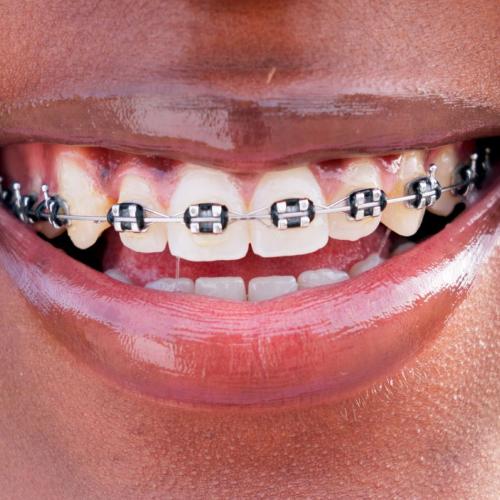
The physics come down to how force is applied to a tooth. Clear aligners work primarily by tipping the crown of a tooth in a desired direction. Metal brackets, bonded directly to enamel and connected by an archwire, allow an orthodontist to apply precise forces to the entire tooth structure — including the root.
Three specific movements illustrate this clearly:
Bodily translation means moving the entire tooth — crown and root together — laterally through bone. Aligners tend to tip the crown while leaving the root behind. Metal brackets, with torquing mechanics built into the wire, can move both simultaneously.
Rotational correction of premolars is notoriously difficult for clear aligners. Round-cross-section premolars offer minimal surface area for aligner grip, making rotation unpredictable. Brackets bonded directly to the tooth face apply consistent rotational force that aligners simply cannot replicate.
Vertical extrusion — pulling a tooth downward out of the bone — is another movement where aligners underperform. This is critical when correcting open bites or when a tooth needs to be brought into proper occlusion. Metal bracket systems handle extrusion with reliable precision. In some cases, patients with severely misaligned teeth may also require a tooth extraction before orthodontic treatment can begin.
According to Cleveland Clinic, traditional metal braces use stainless steel bands, brackets, and wires to gently shift teeth over time — a system refined over decades specifically because of this mechanical control.
For complex cases involving severe rotations, significant bite correction, or extractions, metal remains the most predictable tool available.
For years, the orthodontic conversation tilted heavily toward invisibility — clear aligners, ceramic brackets, lingual systems. Something has shifted. ADA News reports that orthodontists across the country are seeing renewed patient interest in traditional metal braces, driven partly by social media trends and partly by a broader reassessment of what braces can actually accomplish.
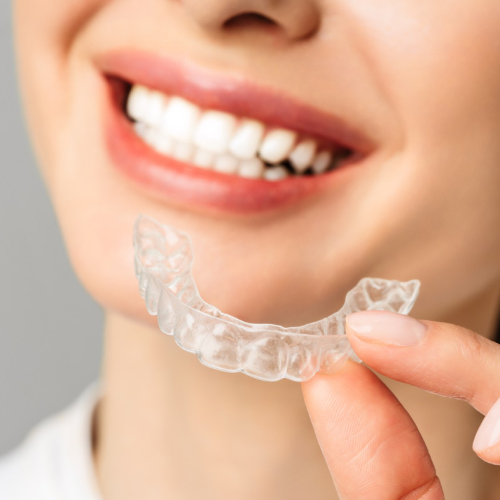
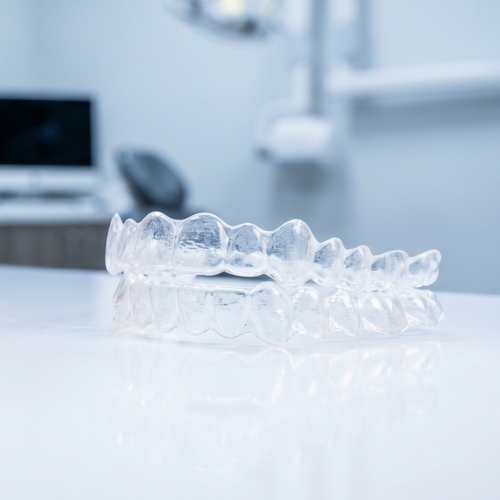
AAO president Dr. Steven Siegel noted that many patients now view metal braces as a form of self-expression rather than something to hide. Beyond aesthetics, there's a practical case: metal braces don't require the compliance discipline that clear aligners demand. Aligners must be worn 20–22 hours per day; patients who remove them too frequently extend their own treatment timeline. Metal braces work continuously without any patient cooperation required beyond basic oral hygiene. Maintaining good oral health during treatment — including regular cleaning and exam appointments — is essential to keeping teeth and gums healthy throughout the process.
Mouthhealthy.org from the American Dental Association also notes that today's braces are more comfortable than ever, with newer materials applying constant, gentle force while requiring fewer adjustments than older systems.
Treatment timelines for metal braces average one to three years depending on case complexity, and WebMD's guide on lingual braces confirms that conventional labial braces typically offer the shortest treatment times among fixed orthodontic options — a meaningful advantage for patients who want results efficiently. Patients interested in the full range of aesthetic dentistry options can discuss how orthodontic treatment fits alongside other smile-enhancing services.
Understanding how braces work — and what your insurance will actually cover — starts with a thorough consultation. At Nu Dentistry Spring, our team helps patients throughout Spring, Texas, navigate their orthodontic options with honest, straightforward guidance. Whether you're weighing metal brackets against porcelain veneers or simply want to understand your full range of choices, book your consultation today and get a clear picture of your treatment path before you commit to anything.
Medical disclaimer: This article is intended for informational purposes only and does not constitute medical or dental advice. Always consult a licensed dental professional for diagnosis and treatment recommendations specific to your oral health needs.
Fresh news from the dental world
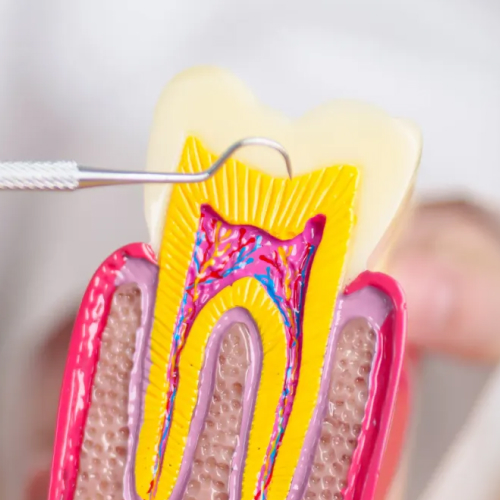
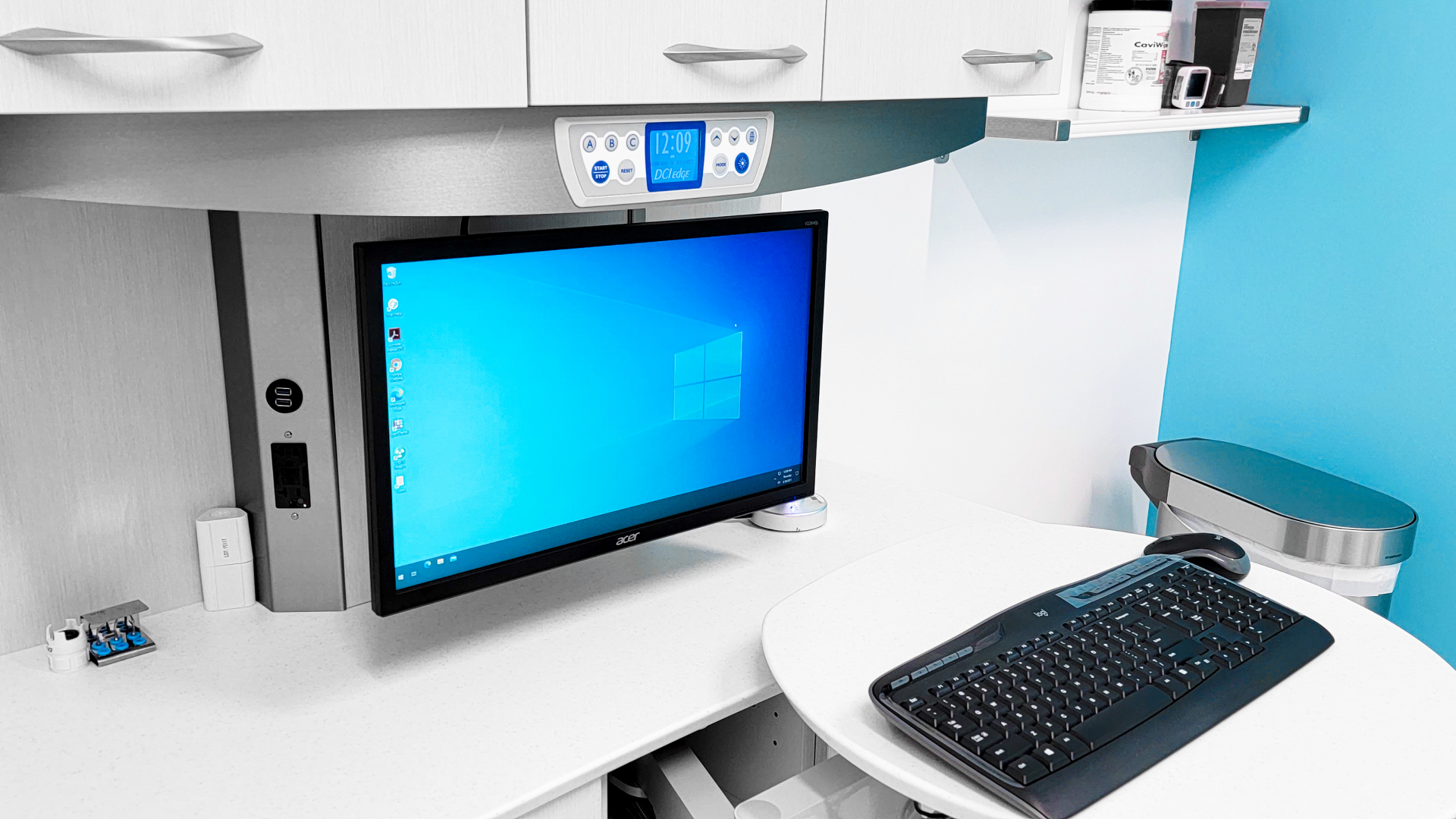
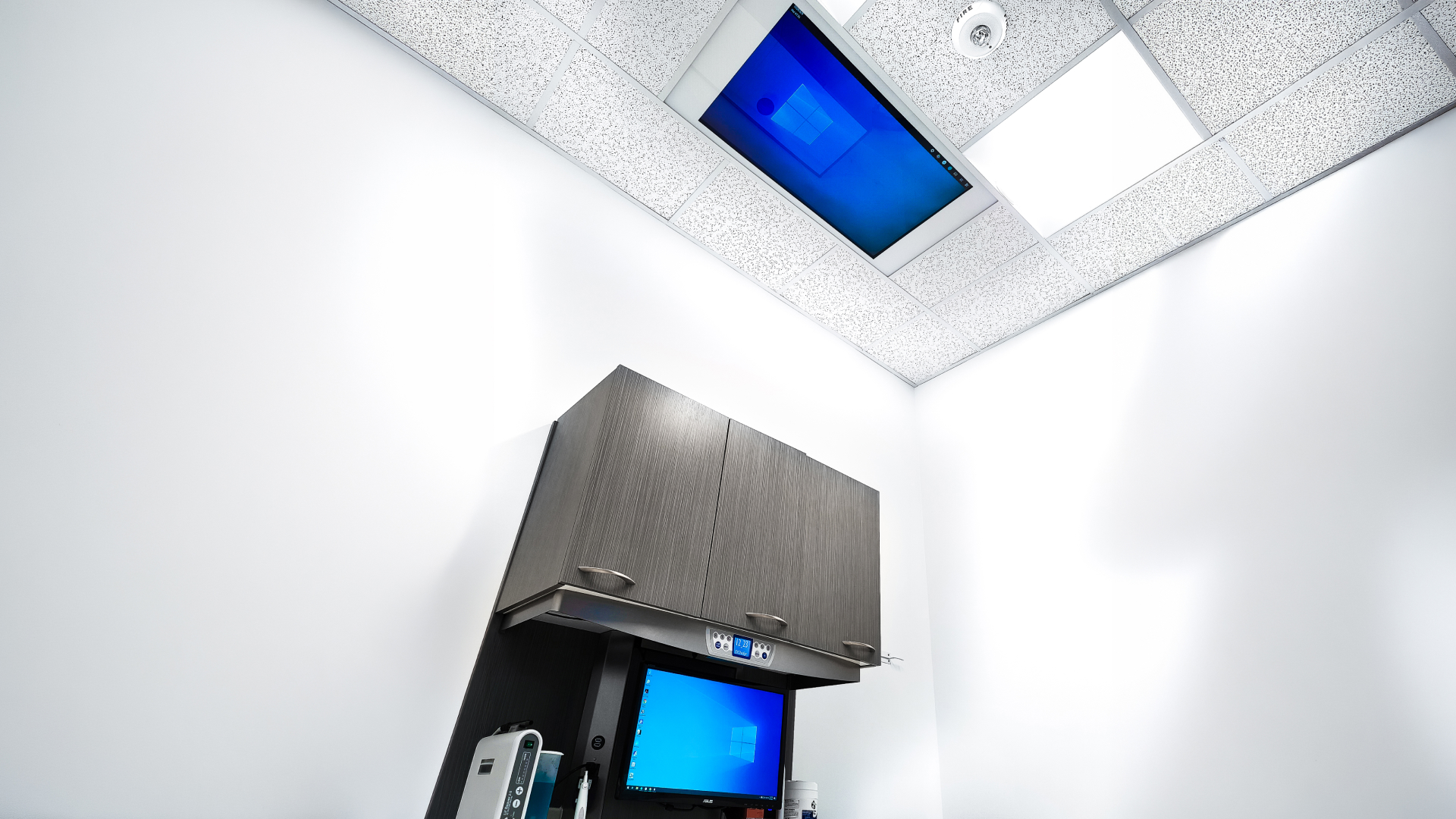
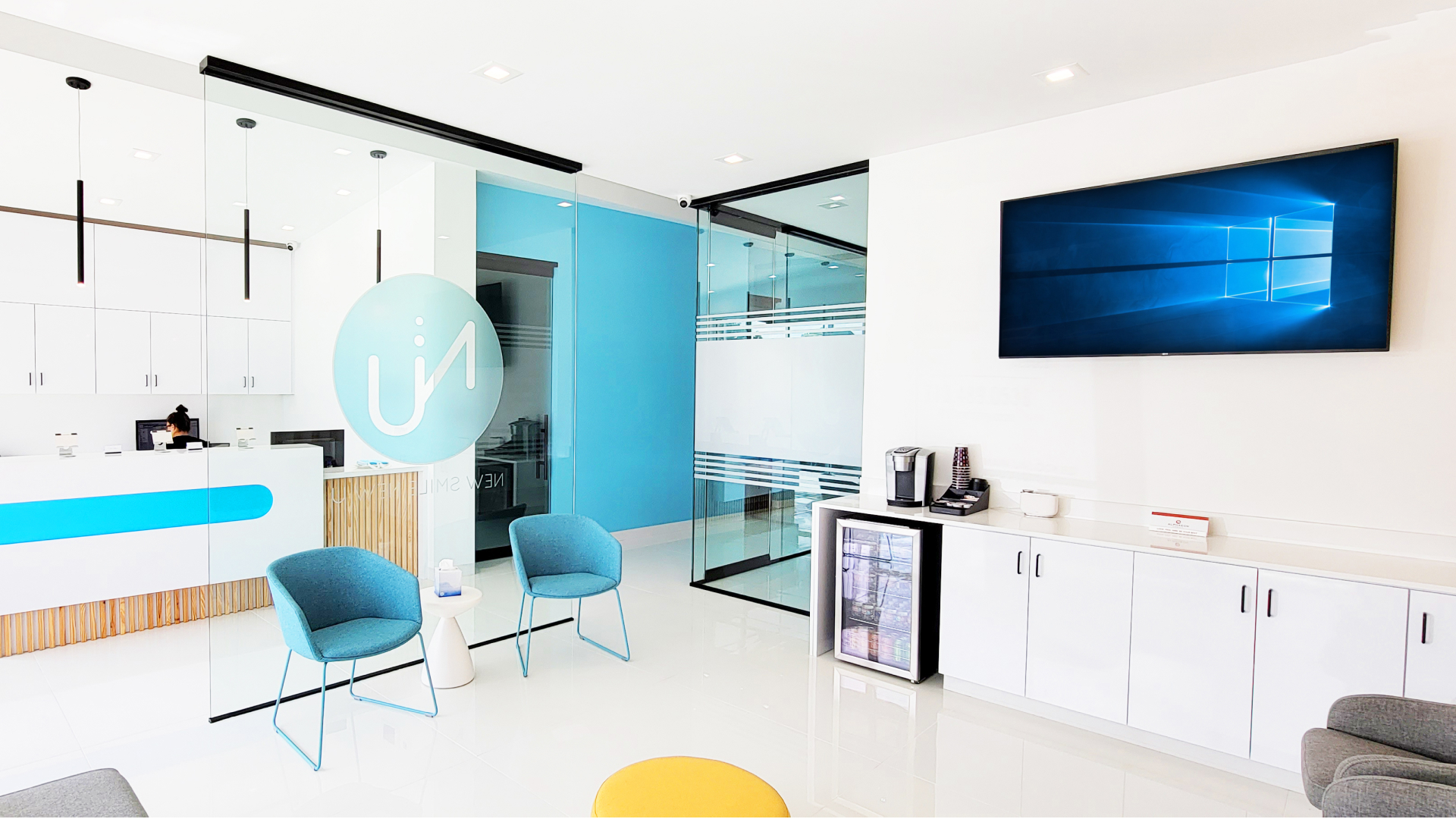
See what a visit to our modern, state-of-the-art dentist office is like!









Sunday Closed
Monday - Friday 9am - 6pm
Saturday 9am - 3pm
Check out what our patients are saying in Spring, TX


“The Best Dentist In Spring”
We have been looking for a family dentist for a long time, we have tried a bunch of places but nothing felt quite like home. Not too long ago we stumbled upon Nu Dentistry and met Dr. Ali. Not only was he professional, kind, and gentle, but he always finds a way to fit us in when we need an appointment. He’s also pretty funny! I appreciate that he takes the time to explain what he’s doing, before he does it. That really puts me at ease.

“Never Thought I'd Say It”
I never thought I’d say it, but going to the dentist is actually fun now. I recently came in for a root canal, and I got to sit back and catch up on Stranger Things without any pain!

“Anxiety Has Kept Me Away ”
I usually have such huge anxiety when I go to a dentist appointment, which means I always put off visits until the last minute to disastrous consequences. However, Dr. Loggins helped me with sedation, so the entire process was a breeze!
“The Best Dentist In Spring”
We have been looking for a family dentist for a long time, we have tried a bunch of places but nothing felt quite like home. Not too long ago we stumbled upon Nu Dentistry and met Dr. Ali. Not only was he professional, kind, and gentle, but he always finds a way to fit us in when we need an appointment. He’s also pretty funny! I appreciate that he takes the time to explain what he’s doing, before he does it. That really puts me at ease.
“Never Thought I'd Say It”
I never thought I’d say it, but going to the dentist is actually fun now. I recently came in for a root canal, and I got to sit back and catch up on Stranger Things without any pain!
We are proud members of these dental organizations and accreditations


We are dedicated to providing you with only the best quality dental care


