When it comes to achieving a beautiful, healthy smile, orthodontics plays a crucial role. Orthodontic treatments not only enhance aesthetics but also improve oral health and function. At our dental office, we offer a range of orthodontic solutions tailored to meet your unique needs. Let's explore the different types of orthodontic appliances and braces to help you make an informed decision.
What Are the Different Types of Orthodontic Appliances?
Orthodontic appliances are essential tools in correcting misaligned teeth and jaws, ensuring both functional and aesthetic improvements. These appliances come in various forms, each meticulously designed to address specific dental issues and patient needs. Here's a closer look at the most common types:
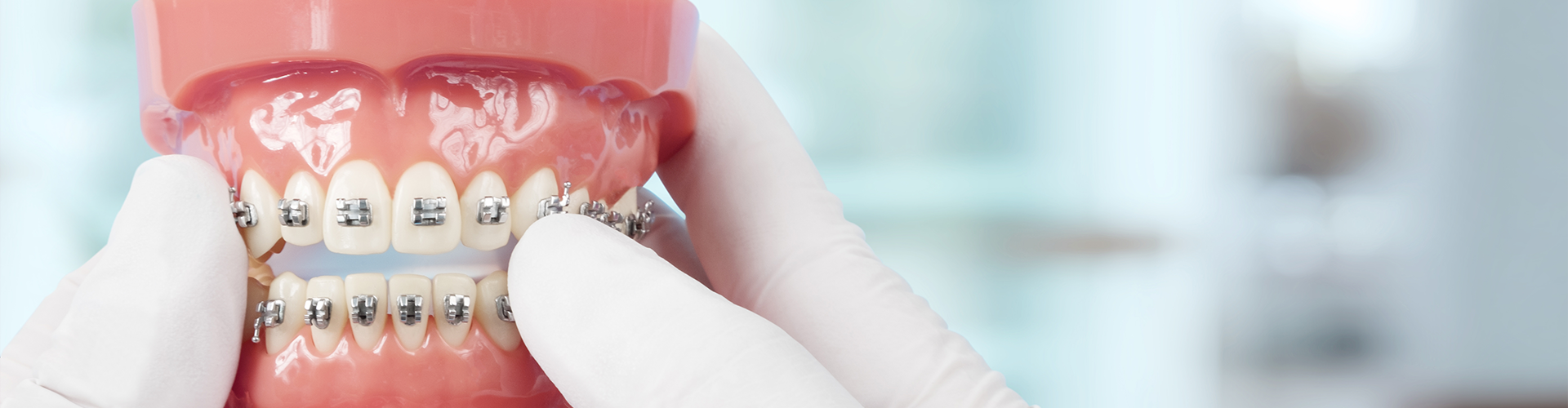
Traditional Braces:
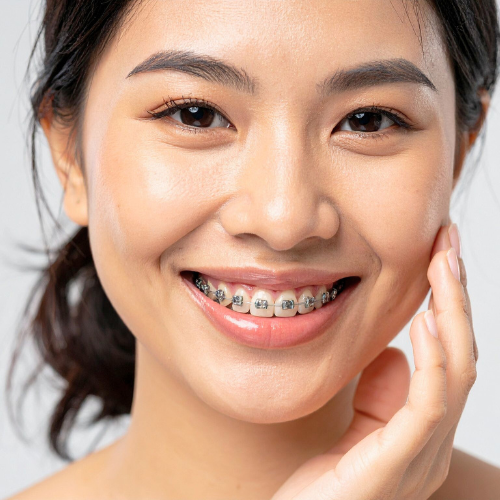
These are composed of metal brackets and wires and are the most prevalent type of orthodontic appliance. Traditional braces are highly effective for correcting a wide range of complex dental issues, including severe crowding, misalignment, and bite irregularities. The brackets are bonded to the front of the teeth, and the wires are adjusted periodically to gradually shift the teeth into the desired position.
Clear Aligners:
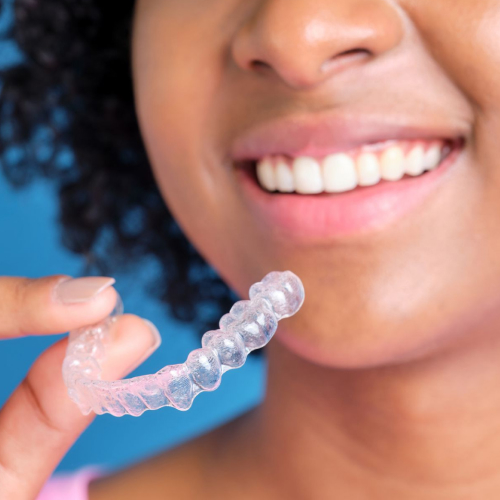
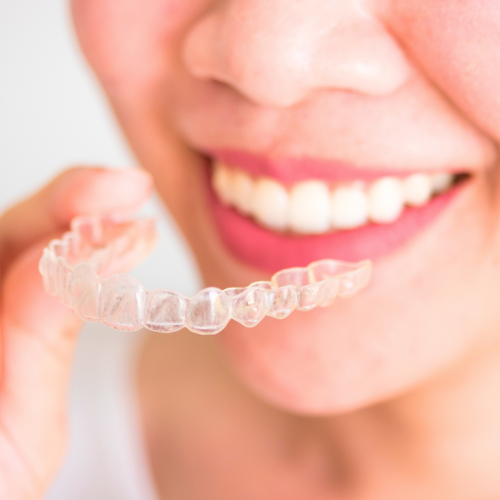
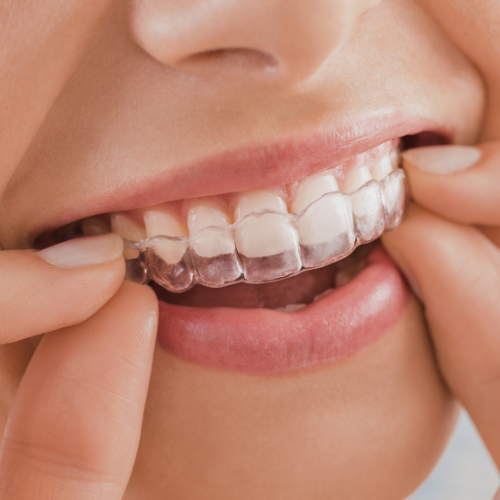
Clear aligners, such as those offered by Invisalign, are a modern alternative to traditional braces. These aligners are made from clear, BPA-free plastic and are custom-designed to fit snugly over your teeth. Patients receive a series of aligners, each slightly different, to progressively move the teeth into their optimal positions. They are nearly invisible when worn and can be removed for eating, drinking, brushing, and flossing, offering a convenient and discreet treatment option.
Retainers:
Retainers are used post-orthodontic treatment to maintain the new alignment of the teeth. There are two main types: fixed and removable. Fixed retainers consist of a thin wire bonded to the back of the teeth, providing constant support. Removable retainers are custom-made trays worn over the teeth, typically at night. Both types prevent the teeth from shifting back to their original positions.
Palatal Expanders:
These appliances are used primarily in children to widen the upper jaw, creating more space for permanent teeth to erupt correctly and improving the bite. A palatal expander is custom-fitted and gradually widened by turning a key in the center of the device. This slow expansion allows the bones and tissues to adapt and grow, effectively widening the jaw and correcting crossbites.
Headgear:
Headgear is an orthodontic appliance used to correct bite issues and support proper jaw alignment. It consists of a metal face bow attached to braces and secured by a strap worn around the head or neck. Typically worn at night or for several hours each day, headgear helps guide the growth of the jaw and teeth, preventing or correcting overbites, underbites, and other alignment problems.
Space Maintainers:
These devices are often used in pediatric dentistry to hold space for permanent teeth when baby teeth are lost prematurely. Space maintainers can be fixed or removable and ensure that the surrounding teeth do not shift into the vacant space, allowing proper eruption and alignment of the permanent teeth.
Elastics (Rubber Bands):
Elastics are often used in conjunction with braces or aligners to apply additional force to move the teeth and jaws into the desired position. They are typically attached to hooks on the brackets or aligners and can be customized in various sizes and strengths depending on the treatment plan.
Temporary Anchorage Devices (TADs):
These are small titanium screws that are temporarily placed in the bone to provide a stable anchor point for moving teeth more effectively. TADs can reduce treatment time and are removed once they are no longer needed.
Each type of orthodontic appliance serves a specific purpose, and your orthodontist will recommend the best option based on your individual needs and treatment goals. Understanding these appliances can help you make informed decisions about your orthodontic care and achieve the best possible outcomes for your smile and oral health.
Are There Different Types of Braces?
Yes, braces come in several varieties to accommodate different needs and preferences:
Metal Braces:
Made of high-grade stainless steel, these braces are the most durable and are often recommended for children and teenagers.
Ceramic Braces:
These work like metal braces but have clear or tooth-colored brackets that blend with your teeth, making them less noticeable.
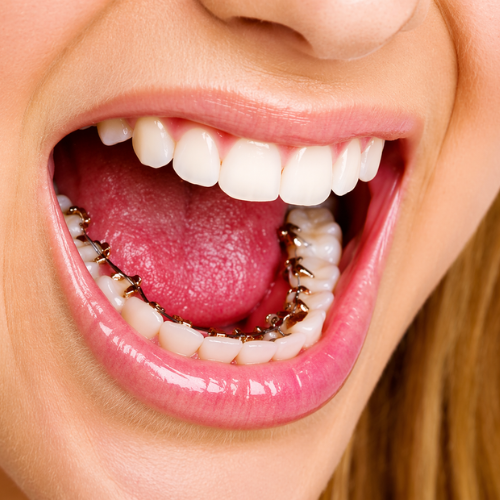
Lingual Braces:
These braces are attached to the back of your teeth, making them invisible from the front. They are custom-made for each patient but can be more challenging to clean.
Self-Ligating Braces:
These braces use a special clip instead of elastic bands to help the archwire guide teeth into place. They often require fewer adjustments and can be more comfortable.
Which Kind of Braces Are Best?
Choosing the right type of braces is a crucial decision that depends on various personal and dental factors. Understanding the pros and cons of each option can help you and your orthodontist determine the best fit for your needs. Here are some detailed considerations for the different types of braces:
Metal Braces:
Metal braces are the traditional and most common type of braces. Made from high-quality stainless steel, they are highly effective for treating a wide range of dental issues, including severe misalignments, overbites, underbites, and crossbites. Metal braces are known for their durability and strength, making them ideal for complex cases that require significant tooth movement. They are also cost-effective compared to other options. However, their visibility can be a concern for some patients, particularly adults and teens who may prefer a less noticeable treatment.
Ceramic Braces:
Ceramic braces function similarly to metal braces but offer a more aesthetic appeal due to their tooth-colored or clear brackets, which blend with the natural color of your teeth. This makes them a popular choice for those who want a less noticeable orthodontic treatment. Ceramic braces are effective for various dental corrections, though they may not be as robust as metal braces. They can be more prone to staining if not properly cared for and might be slightly more expensive. Nonetheless, they provide a balance between effectiveness and aesthetics, making them a great option for many patients.
Clear Aligners:
Clear aligners, such as Invisalign, are an innovative alternative to traditional braces. These aligners are custom-made, clear plastic trays that fit snugly over your teeth and gradually shift them into place. Clear aligners are nearly invisible, making them a popular choice among adults and teens who prioritize discreteness. They can be removed for eating, drinking, brushing, and flossing, offering unparalleled convenience. However, clear aligners require a high level of compliance; they must be worn for 20-22 hours a day to be effective. They are best suited for mild to moderate orthodontic issues and might not be the right choice for complex cases.
Lingual Braces:
Lingual braces are unique in that they are attached to the back (lingual side) of your teeth, making them completely invisible from the front. This makes them an excellent choice for individuals who desire an unobtrusive treatment option. Lingual braces are custom-made to fit the contours of your teeth and can address a wide range of dental issues. However, they can be more challenging to clean and may cause initial discomfort and speech difficulties as your tongue adjusts to their presence. They are often more expensive due to the customization and complexity involved in their placement. Additionally, they may not be suitable for all cases; your orthodontist will help guide you on which option is best for your specific case.
Self-Ligating Braces:
Self-ligating braces use a special clip or bracket that reduces friction and allows the wire to move more freely, potentially reducing treatment time and the number of adjustments needed. They are available in both metal and ceramic varieties. Self-ligating braces can be more comfortable and easier to clean than traditional braces. They are effective for treating a wide range of orthodontic issues and may offer a quicker and more comfortable treatment experience.
Factors to Consider:
- Severity of Dental Issues: More complex cases may benefit from the robust and precise adjustments provided by metal or self-ligating braces.
- Aesthetic Preferences: If you prefer a less noticeable option, ceramic braces, clear aligners, or lingual braces may be more appealing.
- Lifestyle and Compliance: Consider how committed you can be to the treatment. Clear aligners require disciplined wear, while traditional braces do not need removal and reapplication.
- Comfort and Convenience: Lingual braces are hidden but might be uncomfortable initially. Clear aligners offer convenience but require responsibility. Metal braces are reliable but visible.
- Cost: Metal braces are generally the most cost-effective, while ceramic, lingual, and clear aligners can be more expensive.
Ultimately, the best type of braces for you will depend on your specific dental needs, personal preferences, and lifestyle considerations. Consulting with an experienced orthodontist is essential to make an informed decision. They can assess your situation and guide you toward the most suitable treatment option, ensuring you achieve a healthy, beautiful smile.
Schedule Your Orthodontic Consultation Today!
Choosing the right orthodontic treatment is a significant step toward achieving a healthy, beautiful smile. At our dental office, our experienced team will guide you through the options and help you decide on the best treatment for your needs. Don't wait to get the smile you've always wanted. Schedule an appointment with us today and take the first step toward better oral health and confidence!