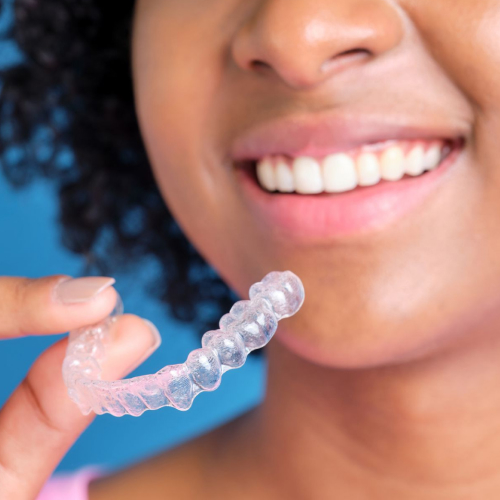
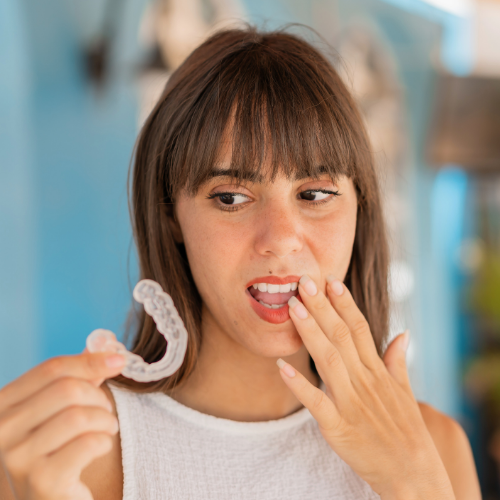
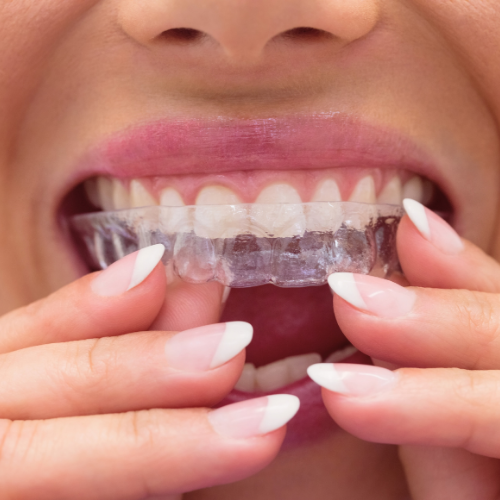
Invisalign Trays Not Fitting? A Spring, TX Dentist Explains Gaps, Tracking, and Refinements
Invisalign trays not fitting right in Spring, TX? Learn about tracking, gaps, and refinements. Call Nu Dentistry Spring today.
Read More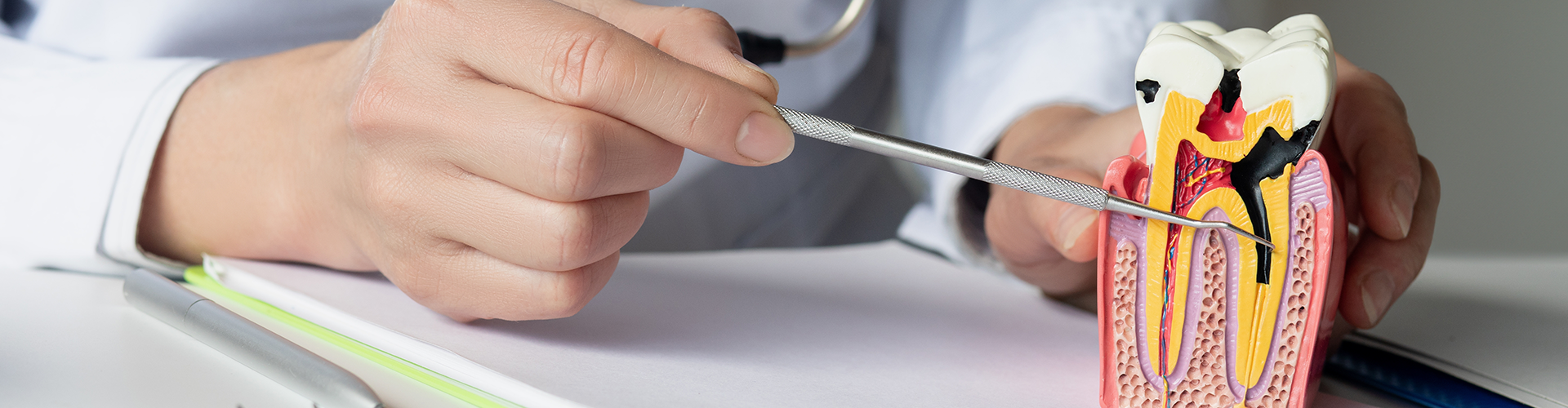
Undergoing a root canal can be a daunting experience, but proper aftercare can ensure a smooth recovery. Whether you're wondering about healing time, dietary restrictions, or managing pain, we've got you covered. Here's what you need to know about post-root canal care.
The healing process after a root canal varies significantly among individuals, influenced by several factors. Generally, you can expect the initial discomfort to subside within a few days to a week. However, the full healing of the surrounding tissues may take several weeks. During this period, following your dentist's post-treatment instructions is crucial for a smooth and swift recovery.
Immediate Post-Treatment Phase
In the first 24-48 hours after the procedure, you might experience mild to moderate pain and sensitivity. This discomfort is typically manageable with over-the-counter pain medications such as ibuprofen or acetaminophen. It's also common to have some swelling around the treated area.
First Week
As you move past the initial phase, the pain and swelling should begin to decrease. By the end of the first week, most patients report significant improvement in comfort. However, it's essential to avoid chewing with the treated tooth during this time to prevent any complications.
Weeks Two to Four
In the subsequent weeks, the internal healing of the tooth and surrounding tissues continues. While the external symptoms like pain and swelling should have mostly resolved, the full internal healing process may still be underway. It's crucial to maintain good oral hygiene practices, including gentle brushing and flossing, to aid recovery.
Factors Influencing Healing Time
Several factors can influence how quickly and effectively you heal after a root canal:
Extent of the Infection: The severity of the infection prior to the root canal can impact healing time. More extensive infections may take longer to resolve completely.
Individual Health Conditions: Your overall health plays a significant role in recovery. Conditions such as diabetes or autoimmune diseases can slow down the healing process.
Post-Treatment Care: Adhering to your dentist's care instructions can significantly affect your recovery speed. This includes taking prescribed medications, avoiding certain foods, and attending follow-up appointments.
Age and Lifestyle: Younger patients generally heal faster than older adults. Additionally, lifestyle factors such as smoking can impede the healing process and increase the risk of complications.
Tips for Speeding Up Recovery
To ensure a smooth and efficient recovery, consider the following tips:
By understanding the healing timeline and the factors that influence it, you can better manage your recovery process after a root canal. If you experience prolonged pain, swelling, or any signs of infection, don't hesitate to contact your dentist for further evaluation and care.
Your diet plays a significant role in your recovery after a root canal. Initially, you'll need to be cautious about what you eat to avoid irritating the treated area. Eating the right foods can help alleviate discomfort and promote faster healing. Here's a detailed look at what you can and cannot eat after a root canal.
Choosing soft, easy-to-chew foods is essential during the initial recovery phase. These foods reduce the risk of disturbing the treated area and help manage pain and sensitivity.
Soft foods are gentle on your teeth and gums, making them ideal for the days following a root canal. Some good options include mashed potatoes, yogurt, scrambled eggs, and applesauce. These foods are not only easy to chew but also provide necessary nutrients to aid in your recovery.
Soups and broths are great choices because they are easy to consume without much chewing. Vegetable or chicken broth and creamy soups like tomato bisque or pumpkin soup can be particularly soothing. Just ensure that these soups are lukewarm to prevent sensitivity.
Smoothies are a versatile option that allows you to blend fruits and vegetables into a nutritious meal. You can also include protein shakes to increase your protein intake. However, it’s best to avoid adding ingredients like seeds and nuts that might get stuck in your teeth.
Certain foods can aggravate the treated area or disrupt the healing process. It's best to avoid these until your dentist gives you the all-clear.
Hard and crunchy foods such as nuts, seeds, chips, and raw vegetables can be difficult to chew and might irritate the treated area. These foods can also get lodged in the teeth, leading to potential complications.
Sticky foods, including caramel, toffee, chewing gum, and sticky candies, should be avoided. These can dislodge temporary fillings or crowns, leading to complications and possibly prolonging the healing process.
Hot and spicy foods can increase sensitivity and discomfort in the treated area. It's best to avoid these until your tooth has healed. This includes hot beverages like coffee and tea, as well as spicy dishes.
Additional Tips for Eating After a Root Canal
By carefully selecting your diet after a root canal, you can help ensure a smooth recovery and minimize discomfort. Stick to soft, non-irritating foods and avoid anything that might disrupt the healing process. If you have any concerns or questions about your diet after a root canal, don't hesitate to reach out to your dentist for personalized advice. Your dental team is here to support you through every step of your recovery.
Pain and discomfort are common after a root canal, but they typically diminish within a few days. Here’s a general timeline for what you might experience:
First 24-48 hours: Expect some swelling and sensitivity. Over-the-counter pain medications can help manage this.
3-7 days: Pain should progressively decrease. If it persists or worsens, contact your dentist.
Beyond a week: Most patients experience minimal discomfort. Any lingering pain should be evaluated by a dental professional.
Pain Management Tips:
Medication: Follow your dentist’s recommendations for pain relief.
Cold compresses: Apply to the affected area to reduce swelling.
Rest: Give your body time to heal by avoiding strenuous activities.
Proper post-root canal care is essential for a successful recovery. If you have any concerns or need further guidance, don’t hesitate to reach out to us. Schedule an appointment today for expert advice and personalized dental care.
Fresh news from the dental world



See what a visit to our modern, state-of-the-art dentist office is like!







Sunday Closed
Monday - Friday 9am - 6pm
Saturday 9am - 3pm
Check out what our patients are saying in Spring, TX


“The Best Dentist In Spring”
We have been looking for a family dentist for a long time, we have tried a bunch of places but nothing felt quite like home. Not too long ago we stumbled upon Nu Dentistry and met Dr. Ali. Not only was he professional, kind, and gentle, but he always finds a way to fit us in when we need an appointment. He’s also pretty funny! I appreciate that he takes the time to explain what he’s doing, before he does it. That really puts me at ease.

“Never Thought I'd Say It”
I never thought I’d say it, but going to the dentist is actually fun now. I recently came in for a root canal, and I got to sit back and catch up on Stranger Things without any pain!

“Anxiety Has Kept Me Away ”
I usually have such huge anxiety when I go to a dentist appointment, which means I always put off visits until the last minute to disastrous consequences. However, Dr. Loggins helped me with sedation, so the entire process was a breeze!
“The Best Dentist In Spring”
We have been looking for a family dentist for a long time, we have tried a bunch of places but nothing felt quite like home. Not too long ago we stumbled upon Nu Dentistry and met Dr. Ali. Not only was he professional, kind, and gentle, but he always finds a way to fit us in when we need an appointment. He’s also pretty funny! I appreciate that he takes the time to explain what he’s doing, before he does it. That really puts me at ease.
“Never Thought I'd Say It”
I never thought I’d say it, but going to the dentist is actually fun now. I recently came in for a root canal, and I got to sit back and catch up on Stranger Things without any pain!
We are proud members of these dental organizations and accreditations


We are dedicated to providing you with only the best quality dental care


