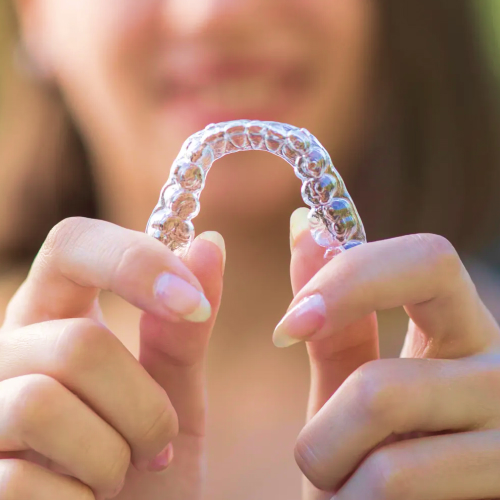
Invisalign and Braces Quotes: What Those Numbers Actually Mean
Wondering if your Invisalign or braces quote is fair? Learn what costs really mean. Book a consultation with Nu Dentistry Spring today!
Read More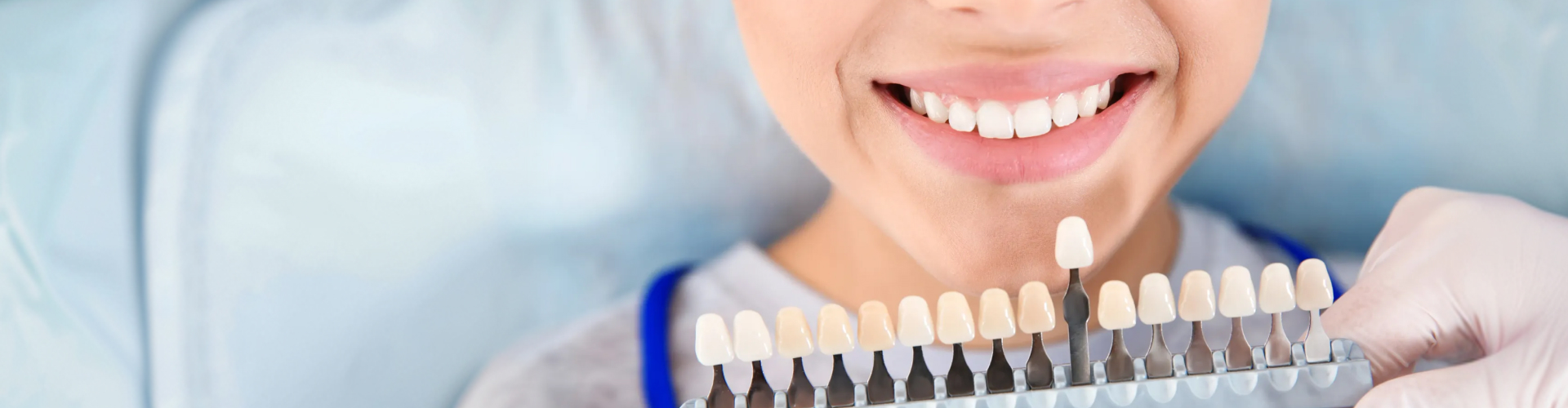
Medically Reviewed by Dr. Tameemi
Porcelain veneers resist surface staining remarkably well, but the resin cement at their margins doesn't — and that distinction changes everything about long-term maintenance. Choosing between whitening and veneers also creates a lifetime color-matching commitment most patients never anticipate.
For Spring-area patients, porcelain veneers are often marketed as stain-resistant, and the ceramic surface itself largely earns that reputation. According to WebMD, porcelain is non-porous in ways that natural enamel isn't, making the veneer face genuinely resistant to coffee, wine, and tea pigments.
But here's what rarely gets explained: the veneer isn't one uniform material. The ceramic shell is bonded to your tooth using resin cement — and that cement does absorb stains over time.
Research published in PMC confirms that resin cement is exposed to continuous hydrolytic stress, thermal cycling, and staining compounds from beverages. Over years, this causes marginal darkening — that telltale brown line at the gumline — even when the veneer face stays pristine. The ceramic didn't fail. The margin did.
What actually protects your margins:
For heavy coffee or red wine drinkers in Spring, this margin-care protocol isn't optional. It's the difference between veneers that look fresh at year ten and ones that develop visible discoloration at the edges by year five.
Most people frame the whitening-versus-veneers decision as a one-time choice. It isn't. It's a commitment to a decades-long maintenance relationship.
Porcelain veneers are set to a fixed shade on the day they're placed. Your natural teeth are not. Enamel yellows gradually with age, dietary exposure, and the natural thinning that reveals the darker dentin beneath. If you receive four veneers on your front teeth at age 30, those teeth hold their shade permanently. Your canines, premolars, and molars keep aging.
By age 40, the contrast between static veneer shade and dynamic natural tooth color can make a smile look mismatched — the veneers appear artificially bright against increasingly warm-toned surrounding teeth.
The hybrid maintenance reality:
For patients considering whitening alone: it remains an excellent choice for uniformly discolored natural teeth without structural concerns. It's reversible, non-invasive, and allows your entire smile to age together. The calculus shifts when teeth have chips, shape irregularities, or severe intrinsic staining that bleaching cannot address.
Price comparisons dominate the "are veneers worth it" conversation. What gets skipped is the biological cost — and it's genuinely permanent.
Traditional veneer preparation removes approximately 0.3–0.5 mm of enamel from the facial surface. That enamel never grows back. Healthline's overview of dental veneers notes that this makes traditional veneers an irreversible procedure, since the tooth structure is permanently altered.
Think of it as enamel ROI: what structural reserve remains for future dental work?
Prep Type: No-prep
Enamel Removed: Minimal to none
Reversibility: Potentially reversible
Future Veneer Possible? Yes
Prep Type: Minimal-prep
Enamel Removed: ~0.3 mm
Reversibility: Effectively irreversible
Future Veneer Possible? Likely, with care
Prep Type: Traditional
Enamel Removed: 0.5–0.7 mm
Reversibility: Irreversible
Future Veneer Possible? Depends on dentin exposure
When veneers eventually need replacement — typically after 10–20 years — the preparation for the second set works with whatever enamel remains. Dentin-level bonding is measurably less durable than enamel-level bonding, and PMC research on ceramic veneer survival confirms that dentin exposure during preparation correlates directly with reduced long-term survival rates.
For younger patients especially, this "biological debt" compounds. A 25-year-old getting traditional veneers may be on their third set by age 55, at which point the remaining tooth structure becomes a genuine clinical constraint.
The honest answer to "are they worth it": For the right candidate — someone with structural damage, severe intrinsic staining, or significant shape irregularities that whitening cannot resolve — veneers offer an exceptional long-term outcome. For someone seeking shade improvement alone, professional whitening preserves enamel entirely and keeps all future options open.
When placed on appropriate candidates and bonded primarily to enamel, porcelain veneers have an impressive clinical track record. Mouthhealthy.org from the ADA emphasizes that only a licensed dentist should evaluate whether your teeth, bite, and habits make you a good candidate.
Several factors affect longevity regardless of material quality:
Composite veneers offer a more conservative alternative — less tooth removal, simpler repair if chipped — but they stain more readily and require more frequent maintenance. The right choice depends heavily on your specific clinical picture, not on a general ranking of materials.
At Nu Dentistry Spring, we help Spring, Texas patients work through exactly these questions — stain resistance, candidacy, long-term maintenance, and whether whitening or veneers makes more sense for their specific situation. Our aesthetic dentistry services are tailored to your unique smile goals. Schedule a consultation and get a clear, honest picture of what your smile goals actually require.
Medical disclaimer: This article is intended for informational purposes only and does not constitute professional dental or medical advice. Always consult a licensed dental provider for diagnosis and personalized treatment recommendations.
Fresh news from the dental world
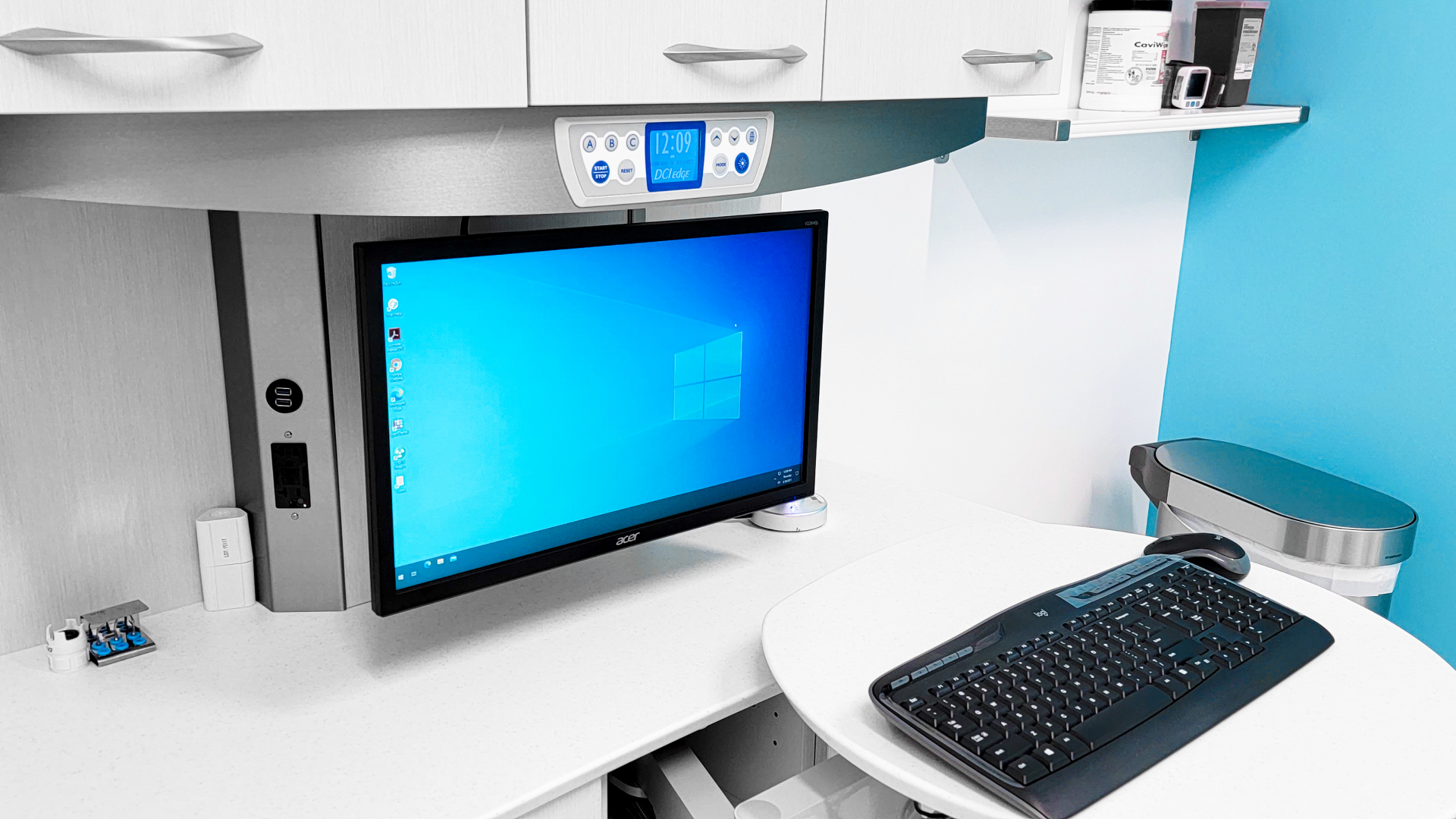
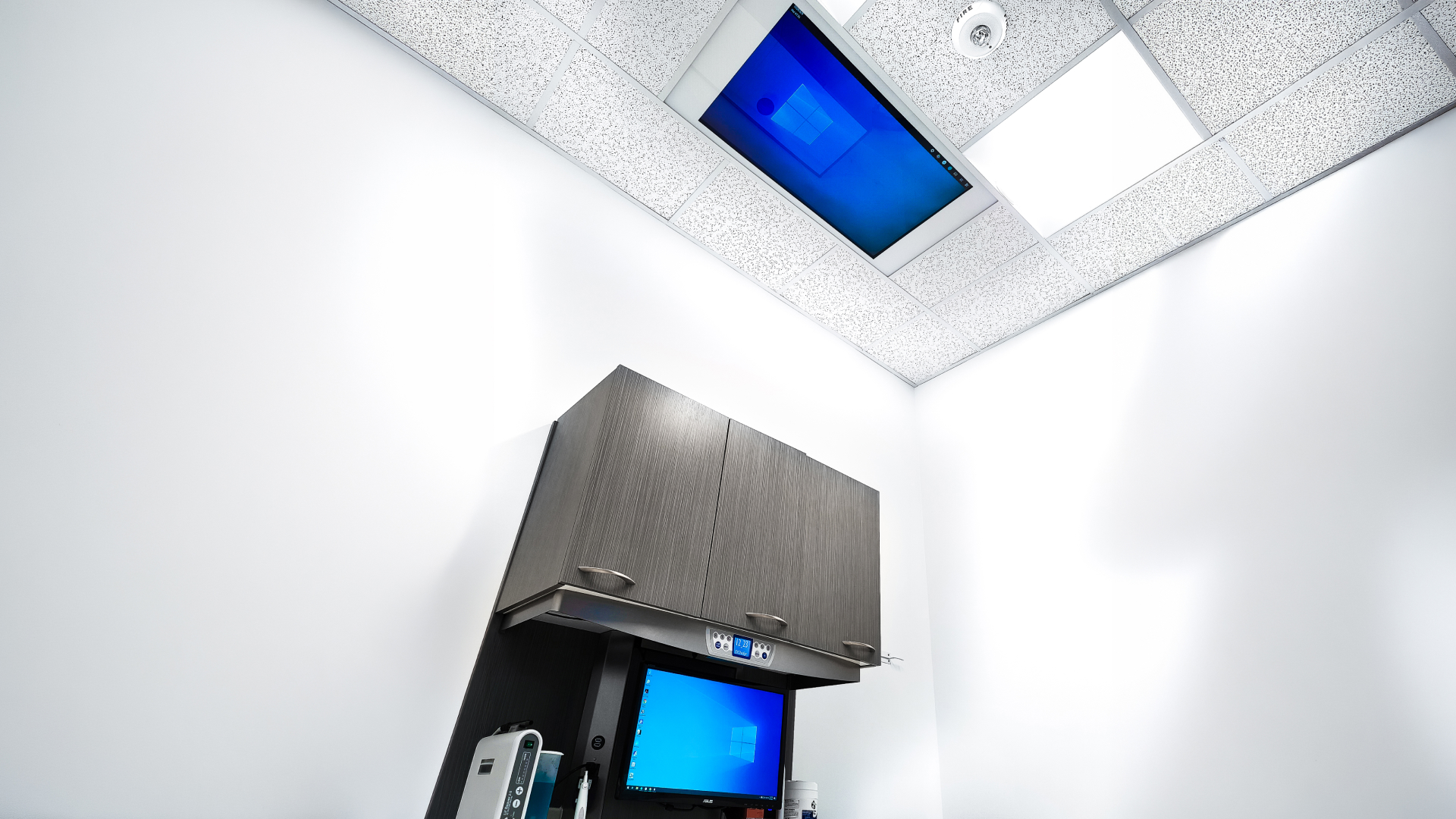
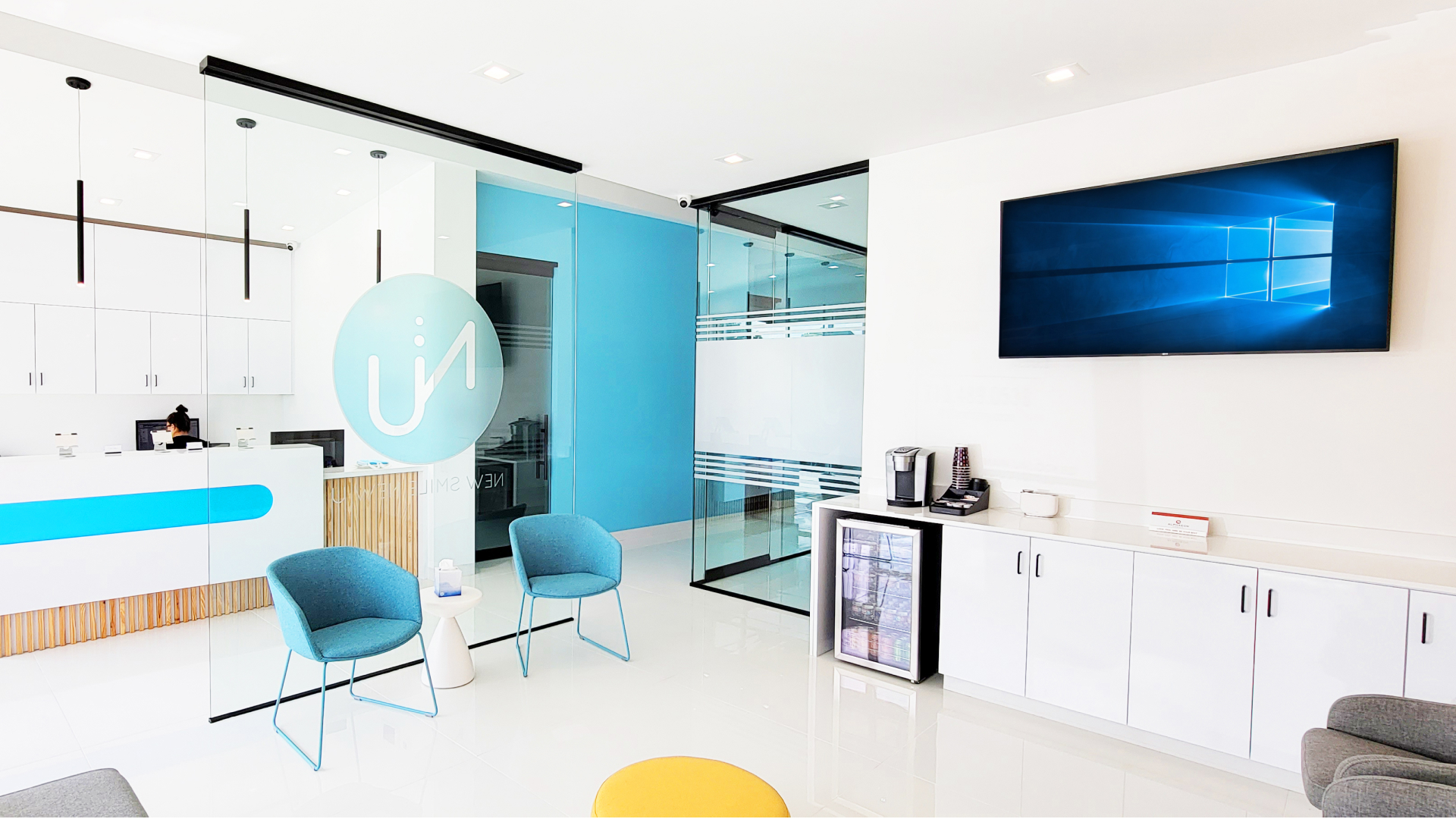
See what a visit to our modern, state-of-the-art dentist office is like!










Sunday Closed
Monday - Friday 9am - 6pm
Saturday 9am - 3pm
Check out what our patients are saying in Spring, TX


“The Best Dentist In Spring”
We have been looking for a family dentist for a long time, we have tried a bunch of places but nothing felt quite like home. Not too long ago we stumbled upon Nu Dentistry and met Dr. Ali. Not only was he professional, kind, and gentle, but he always finds a way to fit us in when we need an appointment. He’s also pretty funny! I appreciate that he takes the time to explain what he’s doing, before he does it. That really puts me at ease.

“Never Thought I'd Say It”
I never thought I’d say it, but going to the dentist is actually fun now. I recently came in for a root canal, and I got to sit back and catch up on Stranger Things without any pain!

“Anxiety Has Kept Me Away ”
I usually have such huge anxiety when I go to a dentist appointment, which means I always put off visits until the last minute to disastrous consequences. However, Dr. Loggins helped me with sedation, so the entire process was a breeze!
“The Best Dentist In Spring”
We have been looking for a family dentist for a long time, we have tried a bunch of places but nothing felt quite like home. Not too long ago we stumbled upon Nu Dentistry and met Dr. Ali. Not only was he professional, kind, and gentle, but he always finds a way to fit us in when we need an appointment. He’s also pretty funny! I appreciate that he takes the time to explain what he’s doing, before he does it. That really puts me at ease.
“Never Thought I'd Say It”
I never thought I’d say it, but going to the dentist is actually fun now. I recently came in for a root canal, and I got to sit back and catch up on Stranger Things without any pain!
We are proud members of these dental organizations and accreditations


We are dedicated to providing you with only the best quality dental care


