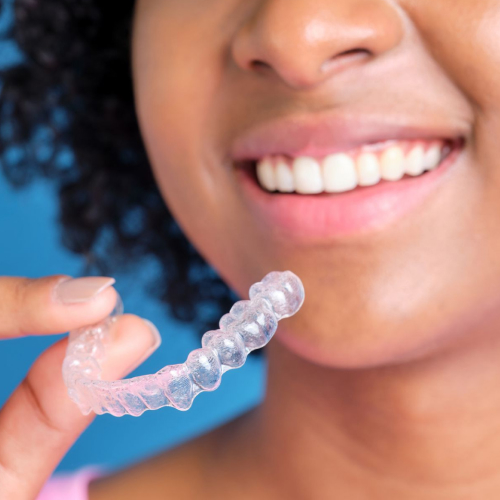
Invisalign Trays Not Fitting? A Spring, TX Dentist Explains Gaps, Tracking, and Refinements
Invisalign trays not fitting right in Spring, TX? Learn about tracking, gaps, and refinements. Call Nu Dentistry Spring today.
Read More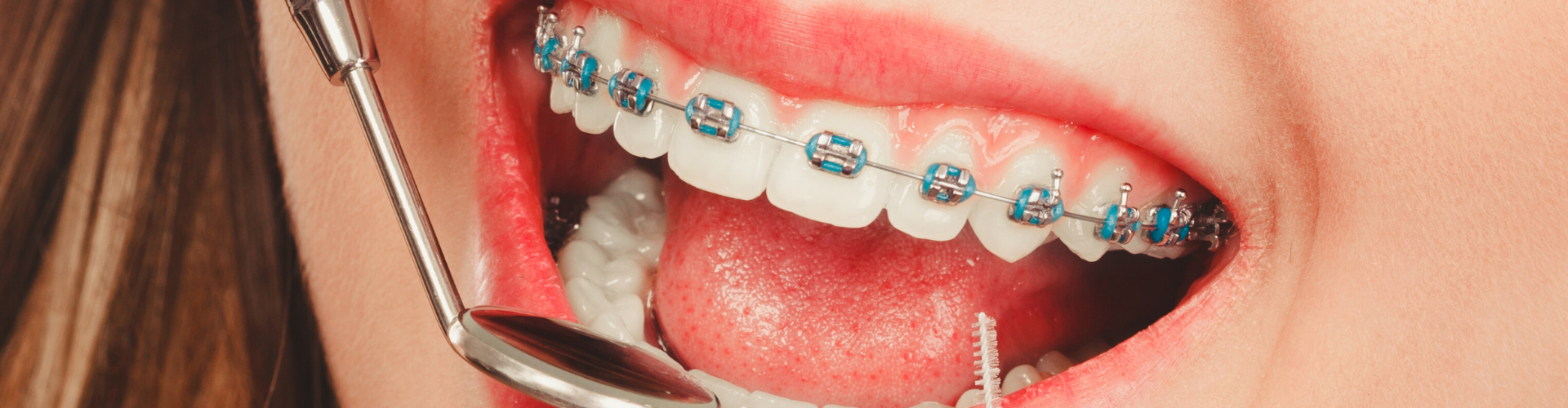
Most people focus on the look of their smile when they start orthodontic treatment. Straight teeth are the big dream, and for good reason. But what surprises many patients is that one of the biggest transformations happens long before the teeth line up in a perfect row. It happens in the way the jaw moves, rests, and supports everyday habits like chewing or speaking. That quiet shift behind the scenes is called functional jaw change, and it is one of the most powerful parts of braces treatment.
Functional jaw changes happen as braces realign your bite and retrain the muscles that control your jaw movement. These changes often lead to less tension, fewer headaches, better chewing, and a more relaxed jaw overall. They are not as easy to see in the mirror as tooth movement, but patients often feel them in small moments throughout the day. That is the beauty of this stage. It is subtle but life improving.
Below, we take a clear and natural look at what functional jaw changes actually feel like, how they develop, and how to recognize them even before your smile looks different.
Your jaw is held in place by a combination of muscles, ligaments, and joint movement. Most people do not realize how much the jaw depends on habit. If you have been biting a certain way for years, your muscles adapt and lock into that pattern, even when the bite is not ideal.
Braces interrupt this pattern in a positive way. As your teeth start moving, your jaw is encouraged to rest in a new position. At first, this position may feel unfamiliar. Your chewing might feel different. Your jaw muscles may feel a bit tired. This does not mean anything is wrong. It means your muscles are learning a better routine.
Here is what is happening during this phase:
Your muscles stop compensating. When the bite is uneven, your jaw muscles pick up extra work to help you chew or avoid certain contact points. Once braces shift the bite toward balance, those muscles do not need to work as hard. They loosen up and adapt to a healthier position.
Your jaw begins to stabilize. As the teeth move, your jaw finds a new resting point that does not require strain. Many patients say their jaw feels lighter or more relaxed as this stability forms.
Your chewing strength changes. The force of chewing begins to distribute more evenly across the teeth. This teaches the jaw to move in a smoother, more natural path. Over time, this creates strength without tension.
This process is not instant. Braces guide the jaw through a slow and steady transition. The muscles essentially rewrite their usual habits, and with each small adjustment appointment, they continue refining those new patterns. The result is a bite that feels more natural and a jaw that works with ease.
Even a tiny shift in how the upper and lower teeth meet can influence your entire jaw system. That is because the bite is the foundation of jaw movement. When it is misaligned, your body has to work around it. When it is corrected, everything else begins to fall into place.
Here is why small changes feel so noticeable:
Your jaw joint is sensitive. The temporomandibular joint reacts to even small bite adjustments. A few millimeters of movement can release pressure that has been building for years.
Your chewing path changes instantly. As the teeth move, your jaw no longer has to slide or shift awkwardly when you chew. That means better comfort with everyday foods.
Your facial muscles relax. Many patients do not realize how much they clench without noticing. When the bite becomes more balanced, the jaw muscles stop trying to overcorrect. This eases tension that often travels into the temples, cheeks, and neck.
Your body recognizes harmony fast. Even small improvements make the system feel more aligned. The jaw is highly responsive, and it quickly notices less strain and smoother movement.
These changes often show up in surprising ways. Some patients wake up one morning and realize their jaw does not feel tight. Others notice that chewing on one side no longer feels easier than the other. Sometimes the first sign is that the jaw simply feels quieter.
Small shifts have big effects because the jaw is a structure that thrives on balance. Once braces bring it closer to that balance, daily comfort improves almost immediately.
Many people assume their bite is only improving once their teeth look lined up. In reality, functional progress shows up early. Some of the best indicators happen long before your smile looks complete.
You may notice:
Your jaw feels less tense when you wake up. Morning tightness often improves early in treatment because the jaw is no longer forced into a strained position overnight.
Your chewing starts to feel smoother. Even if your teeth still look uneven, the way they meet may already be more balanced. That alone can make eating more comfortable.
Your jaw stops clicking as often. Clicking and popping often come from instability. As the bite becomes more aligned, the jaw joint settles into a steadier movement.
Your facial muscles feel more relaxed. Long term clenching and grinding patterns begin to fade as the bite becomes more supportive.
You feel fewer headaches or facial aches. Functional jaw changes relieve pressure from muscle fatigue, which often reduces tension headaches. Many patients notice this improvement before they notice any cosmetic change.
You find yourself chewing on both sides again. People often favor one side without realizing it. As balance returns, both sides start working together again.
These early signs are meaningful. They show that your jaw is moving toward a healthier foundation. Straight teeth are the final reveal, but functional improvements are often the first real transformation.
While a beautiful smile is a wonderful outcome, braces also create long term stability. When the jaw functions smoothly, your teeth experience less wear, your muscles work with less strain, and your joints have better support. This reduces the risk of problems later in life, including chronic jaw pain, uneven tooth wear, and bite-related discomfort.
Functional changes set the stage for a healthier mouth overall. They allow your teeth to work with your jaw rather than against it. They also make the final cosmetic result more durable. When the foundation is stable, your teeth stay straighter for longer.
For many patients, the comfort they gain during this process becomes just as valuable as the appearance of their new smile.
If you have been curious about how braces can improve not only your smile but also the way your jaw works, our team at Nu Dentistry Spring is here to help. A healthier bite brings real comfort into your daily life, and your treatment plan can be tailored to your unique needs.
Schedule an appointment today and take the first step toward a more balanced, comfortable bite.
Fresh news from the dental world



See what a visit to our modern, state-of-the-art dentist office is like!







Sunday Closed
Monday - Friday 9am - 6pm
Saturday 9am - 3pm
Check out what our patients are saying in Spring, TX


“The Best Dentist In Spring”
We have been looking for a family dentist for a long time, we have tried a bunch of places but nothing felt quite like home. Not too long ago we stumbled upon Nu Dentistry and met Dr. Ali. Not only was he professional, kind, and gentle, but he always finds a way to fit us in when we need an appointment. He’s also pretty funny! I appreciate that he takes the time to explain what he’s doing, before he does it. That really puts me at ease.

“Never Thought I'd Say It”
I never thought I’d say it, but going to the dentist is actually fun now. I recently came in for a root canal, and I got to sit back and catch up on Stranger Things without any pain!

“Anxiety Has Kept Me Away ”
I usually have such huge anxiety when I go to a dentist appointment, which means I always put off visits until the last minute to disastrous consequences. However, Dr. Loggins helped me with sedation, so the entire process was a breeze!
“The Best Dentist In Spring”
We have been looking for a family dentist for a long time, we have tried a bunch of places but nothing felt quite like home. Not too long ago we stumbled upon Nu Dentistry and met Dr. Ali. Not only was he professional, kind, and gentle, but he always finds a way to fit us in when we need an appointment. He’s also pretty funny! I appreciate that he takes the time to explain what he’s doing, before he does it. That really puts me at ease.
“Never Thought I'd Say It”
I never thought I’d say it, but going to the dentist is actually fun now. I recently came in for a root canal, and I got to sit back and catch up on Stranger Things without any pain!
We are proud members of these dental organizations and accreditations


We are dedicated to providing you with only the best quality dental care


