If you’ve ever dealt with persistent jaw pain, clicking sounds when chewing, or tension that radiates to your neck and shoulders, you’re not alone. TMJ issues, short for temporomandibular joint disorders, can sneak up gradually or hit all at once. And while many people try bite guards, ice packs, or even pain meds to manage symptoms, they often don’t consider the root issue: the alignment of their teeth.
At Nu Dentistry Spring, we’ve seen just how much of a difference orthodontic treatment can make in TMJ relief. But the question often becomes: Should you go for braces or Invisalign? Let’s break it down in a way that makes sense for your mouth; and your lifestyle.
What’s the connection between TMJ and crooked teeth?
Most people don’t immediately connect the dots between misaligned teeth and chronic jaw pain. But the link is stronger than it seems. When your teeth aren’t aligned properly, your bite is off, and that can put excessive strain on the TMJ, the hinge that lets your jaw move.
Imagine a door that doesn’t quite close right. You push harder, tug at it more often, and eventually, something wears down. That’s exactly what happens with your jaw when your bite isn’t working harmoniously. The muscles and joints surrounding it compensate in awkward ways, leading to inflammation, tension, and eventually, pain.
Symptoms like headaches, sore facial muscles, jaw popping, or even locked jaw can all stem from that imbalance. So while it’s easy to treat the symptoms temporarily, if your bite is the true culprit, orthodontic treatment becomes more than cosmetic—it’s functional.
Is Invisalign better than braces for jaw pain?
There’s no one-size-fits-all answer here, because each mouth has its own story. But let’s talk about what each option brings to the table when it comes to addressing jaw pain and TMJ dysfunction.
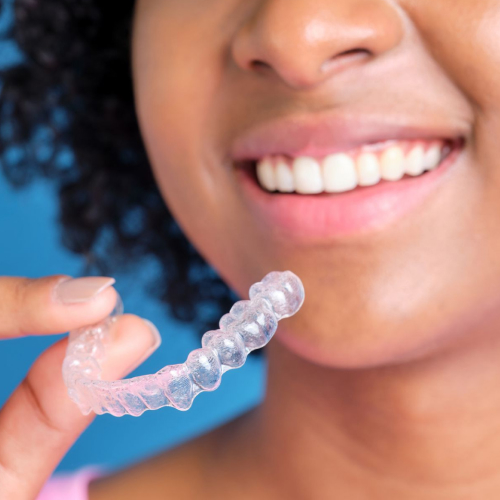
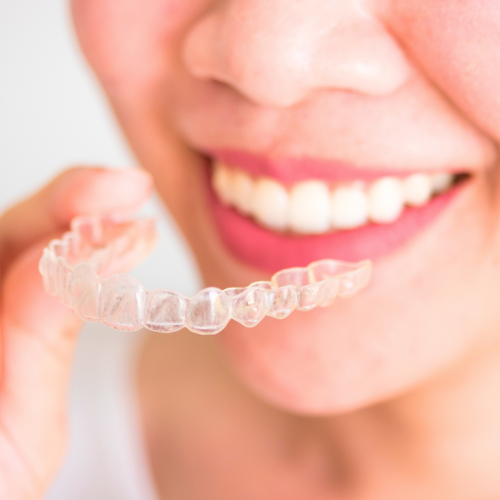
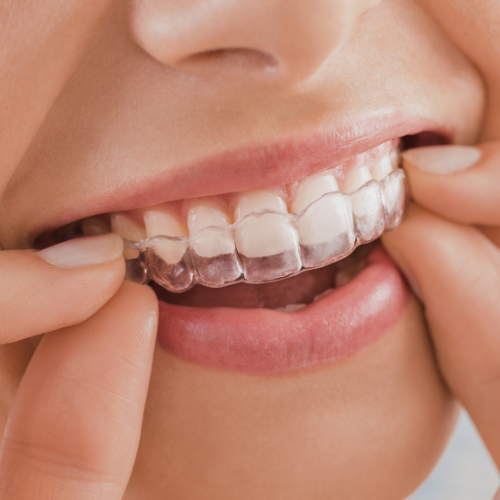
Invisalign is popular for good reason. The clear aligners are custom-made, subtle, and removable. You wear them for 20–22 hours a day, and they’re swapped out every week or two as your teeth gradually shift into better alignment. For mild to moderate bite issues—especially if the jaw pain stems from slight misalignments—Invisalign can be a game-changer. Since the aligners encourage even, controlled tooth movement, they can ease pressure on the jaw and reduce inflammation over time.
Plus, the fact that they’re removable means it’s easier to maintain good hygiene, enjoy meals without restrictions, and avoid the irritation that metal brackets sometimes cause inside the mouth.
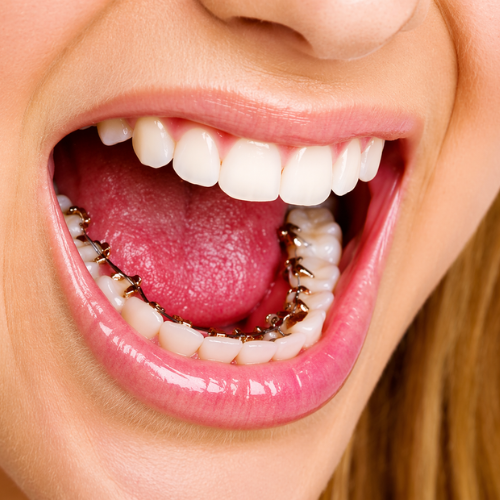
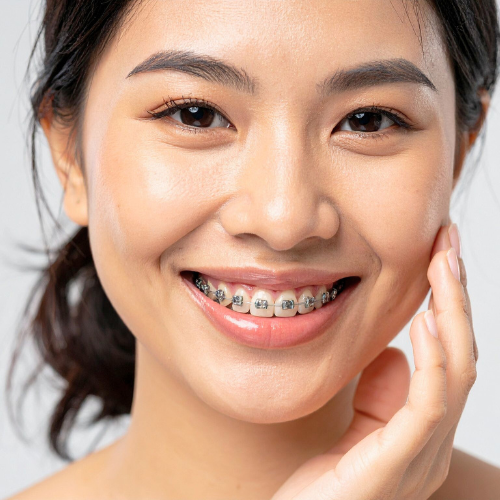
But braces have their own strengths, especially when it comes to more complex bite corrections. If your TMJ issues stem from a deeper misalignment—such as a crossbite, severe crowding, or jaw development concerns—braces may provide more control. Since braces are bonded to your teeth and adjusted in-office, they allow for precise force application that can shift teeth in ways Invisalign may not manage as effectively.
They’re a bit more visible, and yes, they require more care when it comes to brushing and flossing. But their power lies in their ability to fix bite problems that could be directly tied to chronic TMJ symptoms.
Can straightening teeth really help TMJ?
Yes—if your TMJ symptoms are connected to how your teeth come together when you bite, chew, or rest your jaw, then aligning your teeth can make a meaningful difference.
When your bite is off, your jaw has to work harder just to do basic things. Over time, that compensation wears out the joint, tightens nearby muscles, and irritates nerves. Straightening your teeth brings balance back into the equation. Your jaw doesn’t have to strain to meet its resting position. Your muscles can relax. You may even notice your posture improving, since jaw and neck tension often go hand in hand.
Let’s be clear: not all TMJ cases are caused by dental issues. Some are linked to arthritis, injury, grinding, or even stress. That’s why a thorough diagnosis matters. But if your bite is a known factor, addressing it through orthodontic treatment gives you a shot at lasting relief—without relying on constant pain management.
What should I expect if I get Invisalign or braces for TMJ?
Once we’ve determined that orthodontic treatment could help, the next step is figuring out which approach suits your case—and your lifestyle.
With Invisalign, you’ll wear clear aligners 20–22 hours a day, switching them out every 1–2 weeks. They’ll gradually shift your teeth into better positions, relieving pressure on the jaw. Bonus: since they’re removable, you can still eat all your favorite foods and brush easily. You’ll check in with us periodically so we can monitor your progress and adjust your treatment plan as needed.
With braces, brackets, and wires do the heavy lifting. They stay on 24/7, and you’ll come in for regular adjustments so we can guide the movement with precision. While they’re more visible and can be a bit trickier to clean, they’re powerful for correcting deeper alignment issues.
In both cases, treatment times vary, from 6 months to 2 years, depending on the severity of your case. The good news? Many patients start to feel some symptom relief even before treatment ends, as their bite begins to improve.
How we help at Nu Dentistry Spring
If you’ve been living with jaw discomfort, you don’t need to keep managing the symptoms on your own. We take a comprehensive approach to TMJ care that starts with listening—really listening—to what you’re experiencing.
Our team will evaluate how your teeth align, how your jaw moves, and whether orthodontics can help relieve the pressure. From there, we’ll recommend a plan tailored to your specific needs. Whether that’s Invisalign, braces, or a combination of treatments, we’ll walk you through every step so you feel informed and supported.
What we care most about is helping you feel better, not just look better. And for many people, straightening their smile ends up doing both.
Ready to talk about your jaw pain?
Whether it’s a subtle discomfort or pain that’s disrupting your daily life, TMJ symptoms are nothing to ignore. You deserve answers—and options that actually work.
If you’re curious whether Invisalign or braces could be part of your TMJ treatment, let’s have a conversation. At Nu Dentistry Spring, we’re here to guide you toward lasting relief, one tooth at a time.
Schedule your consultation today. Your jaw will thank you.