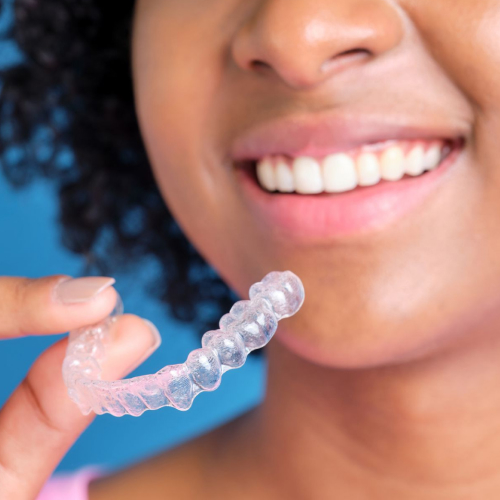
Invisalign Trays Not Fitting? A Spring, TX Dentist Explains Gaps, Tracking, and Refinements
Invisalign trays not fitting right in Spring, TX? Learn about tracking, gaps, and refinements. Call Nu Dentistry Spring today.
Read More
When most people hear the word braces, they picture straightened teeth and a nicer smile. And while that is absolutely part of the story, it is not the whole story anymore.
Modern braces do much more than line teeth up neatly. They help balance your bite, support jaw function, protect your long-term oral health, and in many cases, relieve discomfort you may not even realize is connected to tooth alignment.
At Nu Dentistry Spring, we often meet patients who assume braces are only for teenagers or cosmetic reasons. The truth is far more interesting. Braces today are quieter, more comfortable, and more adaptable than ever. They are also helping adults of all ages feel better, chew better, and smile more confidently.
Let’s explore what braces can truly do, how they work, and what you can realistically expect if you are considering treatment.
Teeth are not fixed in place like stones in concrete. They are held in bone by tiny ligaments that allow small movements over time. This is helpful when we want to guide teeth into better positions, but it also means teeth can drift in ways we do not want.
Common reasons teeth shift include:
Even people who had straight teeth as teens may notice changes later in life. That is normal.
Braces work by applying gentle, consistent pressure that encourages teeth to move into healthier positions where they can function properly and stay stable long term.
Braces are designed to correct multiple types of alignment problems, including:
Each of these affects more than appearance.
When alignment improves, many patients notice:
Straight teeth are nice. Balanced function is even better.
This is one of the most common questions we hear, and it is a thoughtful one.
Braces do not change your bone structure in the way surgery does. However, they can influence how your teeth sit within your jaw, which may subtly affect facial balance.
Here is what may happen:
These changes tend to be gradual and natural looking. Most patients do not experience dramatic facial transformations. Instead, they notice a more harmonious look that simply feels “right” for their face.
Important to know: Your orthodontic plan is designed with your facial proportions, bite, and long-term stability in mind. The goal is balance, not drastic alteration.
This situation is more common than people realize.
From the front, teeth may appear straight. But underneath, the upper and lower teeth may not be meeting correctly.
An imbalanced bite can lead to:
Think of it like tires on a car. Even if they look fine, poor alignment causes uneven wear and future problems.
Braces can correct the relationship between upper and lower teeth, not just the visible alignment.
Signs your bite may need evaluation:
A proper exam and digital imaging can reveal these issues early.
Yes. And this is one of the biggest reasons adult orthodontic treatment has grown so much in recent years.
Today’s options include:
Many adults choose discreet options that blend into their smile or remain mostly hidden.
Why adults choose braces:
There is no age limit for improving your smile and bite.
While every case is unique, most treatments follow a similar path.
Step 1. Comprehensive evaluation: Digital scans, X-rays, and photos help map tooth and jaw positions.
Step 2. Customized treatment plan: Your dentist determines which type of braces or orthodontic system fits your goals and anatomy.
Step 3. Placement: Brackets or aligners are placed. This appointment is typically straightforward.
Step 4. Adjustment visits: Small changes guide teeth gradually.
Step 5. Retention: After braces come off, retainers maintain results.
Treatment length varies, but many cases fall between 12 and 24 months.
Most people are pleasantly surprised.
You may experience:
These sensations usually fade quickly and are manageable with:
Pain is not constant and should never be severe.
You do not have to give up enjoying food, but some adjustments help.
Best choices early on:
Foods to limit:
Cutting foods into smaller pieces makes a big difference.
Braces create extra surfaces where plaque can collect. Good home care is essential.
Daily habits that help:
Patients who maintain good hygiene usually finish treatment with healthier gums and cleaner teeth.
It is normal to feel a mix of excitement and uncertainty.
Some patients worry about:
Most of these concerns fade quickly. Many patients say they stop thinking about their braces within weeks.
What tends to grow instead is anticipation for the final result.
Small milestones feel big:
Braces are temporary. The results are long lasting.
Both systems can be effective. The right choice depends on:
Braces remain extremely reliable, especially for complex cases. Clear aligners offer convenience and removability.
Your dentist can help determine which option fits your situation best.
Beyond appearance, braces support:
Orthodontic treatment is often an investment in preventing future dental problems.
Myth: Braces are only cosmetic
Truth: They address function and health
Myth: Adults are too old
Truth: Healthy teeth can move at any age
Myth: Braces are extremely painful
Truth: Discomfort is usually mild and temporary
Myth: Results never last
Truth: Retainers maintain outcomes
Even if you are unsure, an evaluation can clarify your options.
No two mouths are the same.
At Nu Dentistry Spring, orthodontic planning considers:
This ensures your results look natural and function properly.
Braces today are far more patient-friendly than what many people remember.
This moment is exciting, but retention matters.
Most patients wear retainers:
Retainers prevent teeth from drifting back. Think of them as insurance for your new smile.
Braces are not about perfection. They are about progress. Better alignment, better function, better confidence.
If you have ever wondered whether braces could help you or your child, a simple consultation can provide clarity.
Ready to explore your options? Schedule an appointment with Nu Dentistry Spring today and take the first step toward a healthier, more comfortable smile.
Fresh news from the dental world

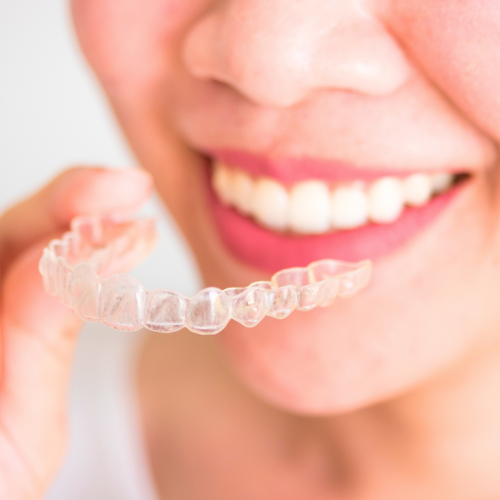
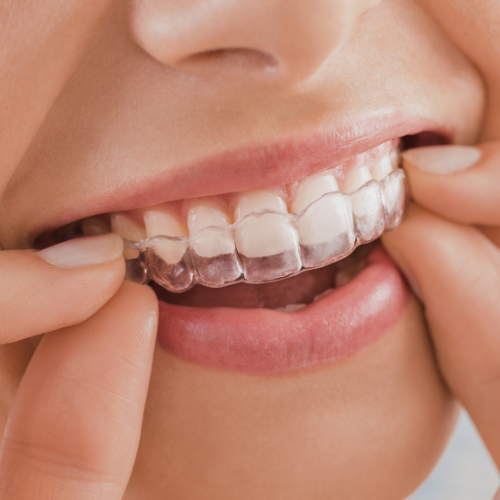
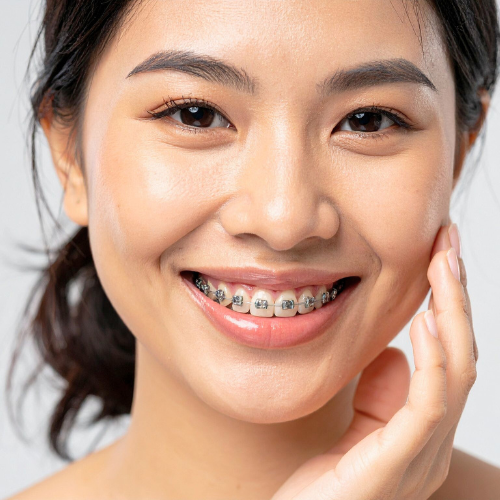


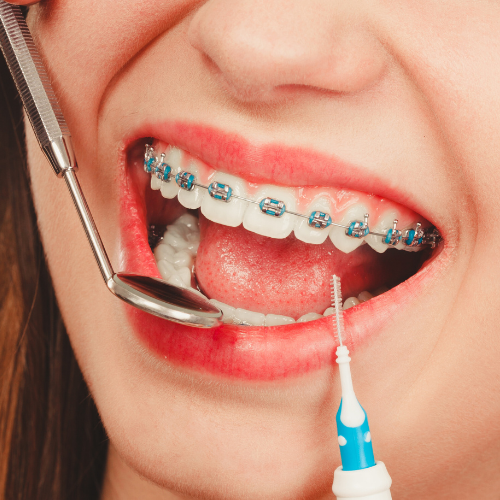
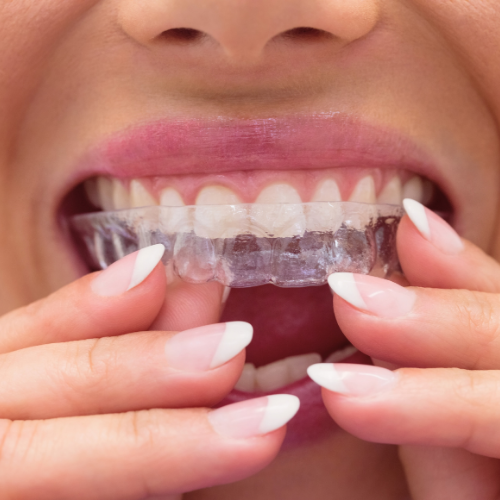
See what a visit to our modern, state-of-the-art dentist office is like!






Sunday Closed
Monday - Friday 9am - 6pm
Saturday 9am - 3pm
Check out what our patients are saying in Spring, TX


“The Best Dentist In Spring”
We have been looking for a family dentist for a long time, we have tried a bunch of places but nothing felt quite like home. Not too long ago we stumbled upon Nu Dentistry and met Dr. Ali. Not only was he professional, kind, and gentle, but he always finds a way to fit us in when we need an appointment. He’s also pretty funny! I appreciate that he takes the time to explain what he’s doing, before he does it. That really puts me at ease.

“Never Thought I'd Say It”
I never thought I’d say it, but going to the dentist is actually fun now. I recently came in for a root canal, and I got to sit back and catch up on Stranger Things without any pain!

“Anxiety Has Kept Me Away ”
I usually have such huge anxiety when I go to a dentist appointment, which means I always put off visits until the last minute to disastrous consequences. However, Dr. Loggins helped me with sedation, so the entire process was a breeze!
“The Best Dentist In Spring”
We have been looking for a family dentist for a long time, we have tried a bunch of places but nothing felt quite like home. Not too long ago we stumbled upon Nu Dentistry and met Dr. Ali. Not only was he professional, kind, and gentle, but he always finds a way to fit us in when we need an appointment. He’s also pretty funny! I appreciate that he takes the time to explain what he’s doing, before he does it. That really puts me at ease.
“Never Thought I'd Say It”
I never thought I’d say it, but going to the dentist is actually fun now. I recently came in for a root canal, and I got to sit back and catch up on Stranger Things without any pain!
We are proud members of these dental organizations and accreditations


We are dedicated to providing you with only the best quality dental care


