Invisalign and Braces Quotes: What Those Numbers Actually Mean
Wondering if your Invisalign or braces quote is fair? Learn what costs really mean. Book a consultation with Nu Dentistry Spring today!
Read More
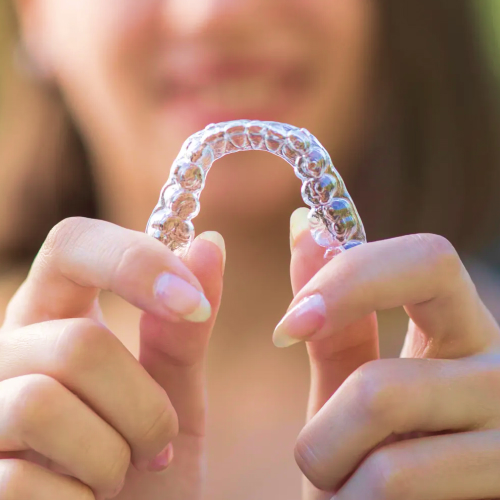
Wearing clear aligners is one of the easiest ways to straighten your teeth without the look and feel of traditional braces. They are discreet, comfortable, and designed to fit into your everyday life. But there is one detail many people underestimate until it becomes a problem. How you clean your aligners.
Your aligners spend most of the day in your mouth. They sit against your teeth, gums, and tongue. They trap saliva, food particles, and bacteria. If they are not cleaned properly, they can start to look cloudy, smell unpleasant, and even affect your oral health.
At Nu Dentistry Spring, we see this often. Patients start strong, wearing their aligners consistently, but slowly develop habits that interfere with their progress. Some forget to clean them regularly. Others use harsh products that damage the material. Some assume a quick rinse is enough.
This article walks you through what actually matters when it comes to cleaning your aligners. Not in a strict or complicated way, but in a realistic, everyday sense. These are the small habits that protect your smile, your comfort, and your results.
Your aligners are custom-made to move your teeth gradually and precisely. When they fit well, they do their job quietly in the background. When they are dirty, warped, or covered in buildup, they can cause problems.
Here is what can happen when aligners are not cleaned properly:
Aligner care is not about perfection. It is about consistency. A few simple habits done every day protect your treatment and your comfort.
This is one of the most common questions people ask, and for good reason. Bacteria do not wait. They multiply quickly in warm, moist environments.
Your aligners should be cleaned at least twice a day. Once in the morning and once at night. Ideally, you should also rinse them every time you take them out.
Think of your aligners the same way you think about your teeth. You would not brush once a day and expect great results. Your aligners deserve the same level of care.
Here is a simple rhythm to follow:
Morning
During the day
Night
This routine takes less than five minutes a day. But it makes a huge difference.
Clear aligners are made from a special medical-grade plastic. It is durable but not indestructible. Some cleaning methods that seem harmless can actually shorten the life of your aligners or change their shape.
Here are the safest and most effective ways to clean your aligners:
1. Use a soft toothbrush: A soft-bristled toothbrush is your best friend. Hard bristles can create tiny scratches that trap bacteria.
Brush gently. You are not scrubbing a pan. You are removing a thin film of bacteria and plaque.
2. Choose a mild, clear soap: If you use soap, make sure it is:
Avoid colored or heavily scented soaps. They can stain or leave residue.
3. Rinse with lukewarm water: Never use hot water. Heat can warp your aligners and change their fit. Cold water is fine, but lukewarm water is ideal for rinsing away residue.
4. Use aligner cleaning crystals or tablets: These are designed specifically for aligners. They help break down bacteria and odor without damaging the plastic.
Use them as directed. More is not better.
What to avoid when cleaning your aligners
Some habits feel logical but can do more harm than good.
Do not:
Gentle and consistent always wins over aggressive and occasional.
This question is not meant to scare you, but it is important to understand the real consequences.
When aligners are not cleaned properly, several things can happen, and they often happen together.
1. Your mouth environment changes: Bacteria thrive in dark, moist spaces. Dirty aligners create the perfect environment for them. This can lead to:
Even if you brush your teeth well, bacteria on your aligners can undo your efforts.
2. Your breath can suffer: Bad breath is often caused by bacteria, not food. When aligners trap bacteria, odors can develop quickly. Many people do not notice it themselves, but others do.
3. Your aligners can become cloudy and stained: Clear aligners are meant to stay discreet. Over time, poor cleaning habits can make them:
This affects your confidence, not just your treatment.
4. Your treatment experience can become uncomfortable: Dirty aligners can irritate your gums and cheeks. They can feel rough or sticky. This makes people less likely to wear them consistently, which can slow down progress.
5. You may end up replacing them: Damaged or warped aligners may not fit properly. In some cases, this can mean delays or additional costs.
Aligner care does not have to feel like a chore. The goal is to make it automatic.
Here are a few habits that help:
Keep a small cleaning kit with you
This can include:
This makes it easy to rinse or clean them when you are away from home.
Always brush before putting them back in
Food particles trapped between your teeth and aligners feed bacteria. Brushing before reinserting them is one of the most powerful habits you can build.
Soak them while you eat
If you are home, place your aligners in a soaking solution or plain water while you eat. This prevents drying and buildup.
Never wrap them in a napkin
This is how most aligners get thrown away by accident. Always use your case.
What you eat and drink matters more than most people realize.
Drinks that can stain aligners include:
If you drink these while wearing your aligners, the liquid can seep inside and stain the plastic.
Sugary and acidic foods can also increase bacterial growth when residue gets trapped.
The safest rule is simple. Only drink plain water while wearing your aligners.
Many people think aligner care needs to be perfect or not worth doing. That mindset creates stress and inconsistency.
The truth is that doing a simple clean twice a day beats an intense clean once a week.
You do not need fancy tools or complicated routines. You need:
That is it.
Sometimes your aligners will tell you when they need better care.
Look out for:
If you notice any of these, it is a good time to reset your habits.
We believe that aligner success is not just about technology. It is about support.
At Nu Dentistry Spring, we take time to show our patients how to care for their aligners properly. We answer questions, correct small mistakes, and offer guidance that fits real life.
If your aligners feel uncomfortable, look cloudy, or smell unpleasant, that is not something you should ignore. These are fixable issues, especially when addressed early.
Aligners are a tool. How well they work depends on how you use and care for them.
When you keep them clean:
It is not about being strict. It is about being intentional.
If you are considering clear aligners or already wearing them and have questions about care, fit, or comfort, we are here to help.
Schedule an appointment with Nu Dentistry Spring today and let us make sure your aligner journey is smooth, healthy, and stress-free. A clean aligner is a powerful step toward the smile you want.
Fresh news from the dental world

See what a visit to our modern, state-of-the-art dentist office is like!














Sunday Closed
Monday - Friday 9am - 6pm
Saturday 9am - 3pm
Check out what our patients are saying in Spring, TX


“The Best Dentist In Spring”
We have been looking for a family dentist for a long time, we have tried a bunch of places but nothing felt quite like home. Not too long ago we stumbled upon Nu Dentistry and met Dr. Ali. Not only was he professional, kind, and gentle, but he always finds a way to fit us in when we need an appointment. He’s also pretty funny! I appreciate that he takes the time to explain what he’s doing, before he does it. That really puts me at ease.

“Never Thought I'd Say It”
I never thought I’d say it, but going to the dentist is actually fun now. I recently came in for a root canal, and I got to sit back and catch up on Stranger Things without any pain!

“Anxiety Has Kept Me Away ”
I usually have such huge anxiety when I go to a dentist appointment, which means I always put off visits until the last minute to disastrous consequences. However, Dr. Loggins helped me with sedation, so the entire process was a breeze!
“The Best Dentist In Spring”
We have been looking for a family dentist for a long time, we have tried a bunch of places but nothing felt quite like home. Not too long ago we stumbled upon Nu Dentistry and met Dr. Ali. Not only was he professional, kind, and gentle, but he always finds a way to fit us in when we need an appointment. He’s also pretty funny! I appreciate that he takes the time to explain what he’s doing, before he does it. That really puts me at ease.
“Never Thought I'd Say It”
I never thought I’d say it, but going to the dentist is actually fun now. I recently came in for a root canal, and I got to sit back and catch up on Stranger Things without any pain!
We are proud members of these dental organizations and accreditations


We are dedicated to providing you with only the best quality dental care


