Invisalign and Braces Quotes: What Those Numbers Actually Mean
Wondering if your Invisalign or braces quote is fair? Learn what costs really mean. Book a consultation with Nu Dentistry Spring today!
Read More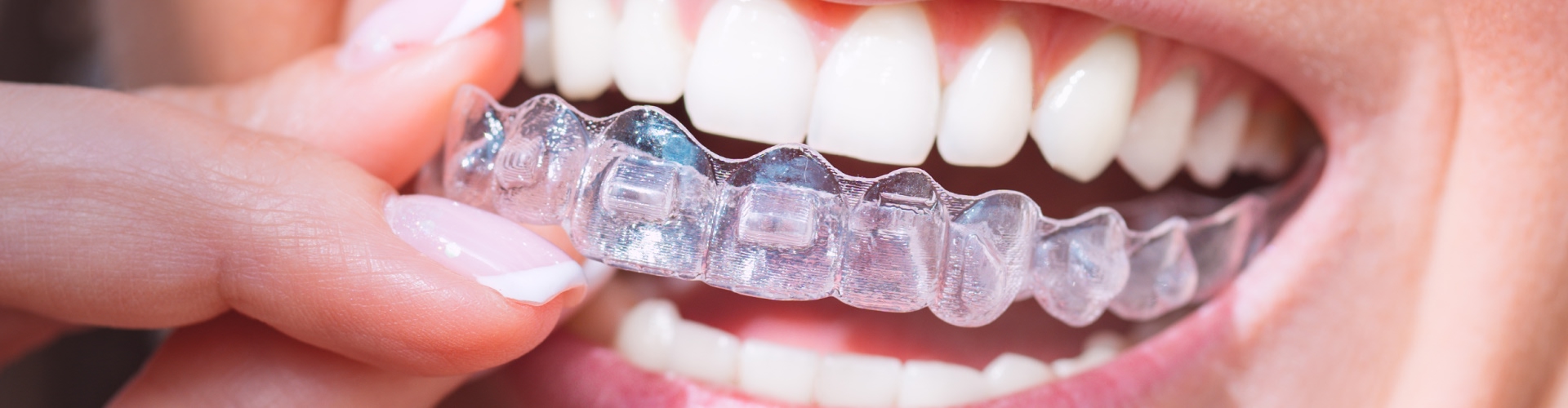
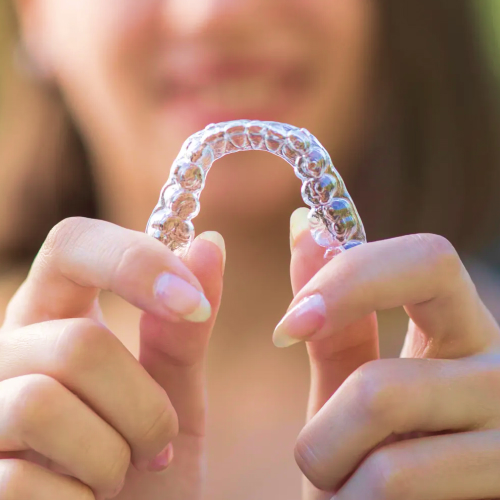
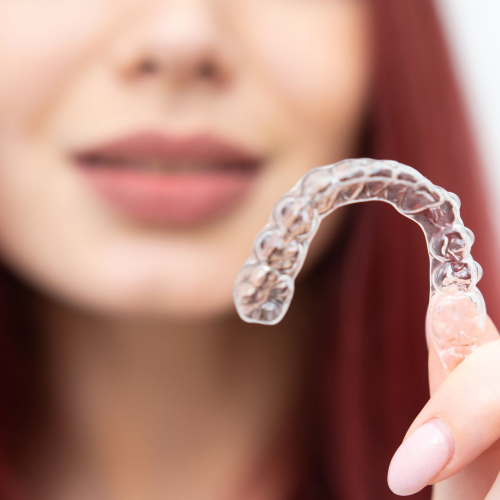
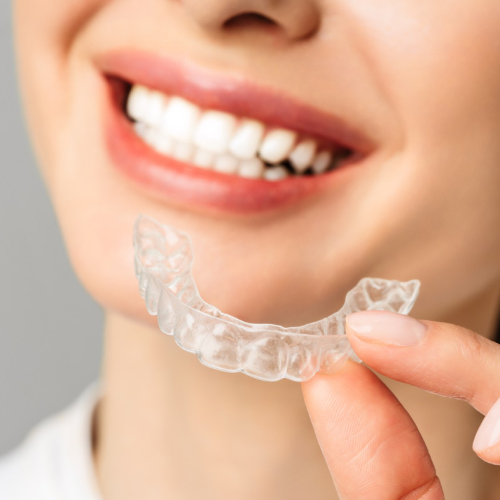
When you first hear about Invisalign, it almost sounds too good to be true. Clear aligners that straighten your teeth without metal brackets or wires, barely noticeable when you smile, and easy to take out when you eat? It is no wonder Invisalign has become a popular choice for teens and adults who want a straighter smile without the hassle of traditional braces.
But popularity alone is not proof of effectiveness. You want to know whether Invisalign actually works, how long it will take to see results, and if it can handle more than just minor spacing issues. The good news is that Invisalign has come a long way since it was first introduced more than two decades ago. With advancements in technology, treatment planning, and materials, Invisalign can now address a wide range of orthodontic concerns.
In this blog, we will take a closer look at how effective Invisalign really is, how long treatment usually takes, and whether it can fix common bite problems like crowding, overbite, and crossbite.
The time it takes for Invisalign to straighten your teeth depends on several factors, including how complex your case is, how consistent you are about wearing your aligners, and your overall treatment goals. For most adults, Invisalign treatment typically takes between 12 and 18 months, though some cases can be shorter or longer.
For minor corrections such as small gaps or slight crowding, treatment can be as quick as 6 months. For more complex bite issues, it can take up to 24 months. What is important to understand is that Invisalign works by applying gentle, controlled pressure to shift your teeth gradually. Each set of aligners is worn for about one to two weeks before moving to the next set. Over time, these small movements add up to big changes.
Why treatment time varies
Not all smiles are created equal. Some people may only need to straighten their front teeth, while others may need adjustments to their bite, jaw alignment, or rotated teeth. Your age can also play a role. While adults can absolutely achieve excellent results, younger patients sometimes see faster progress because their teeth are still more easily moved.
Another factor is compliance. Invisalign only works when it is worn as directed, usually 20 to 22 hours per day. Taking the aligners out for extended periods or forgetting to put them back after meals can delay progress. On the flip side, being diligent about wearing them consistently can sometimes shorten your overall treatment time.
The importance of a personalized treatment plan
Every Invisalign journey starts with a detailed consultation. At Nu Dentistry Spring, we use digital scans to create a 3D model of your teeth. This model allows us to map out your entire treatment from start to finish, showing you what your smile will look like at every stage. Because the plan is customized, you get a realistic timeline tailored to your unique case.
This planning step is one of Invisalign’s biggest advantages. Unlike traditional braces where adjustments are made manually over time, Invisalign treatment is planned digitally with precision from the beginning. This makes it easier to estimate how long your specific case will take and to stay on track throughout the process.
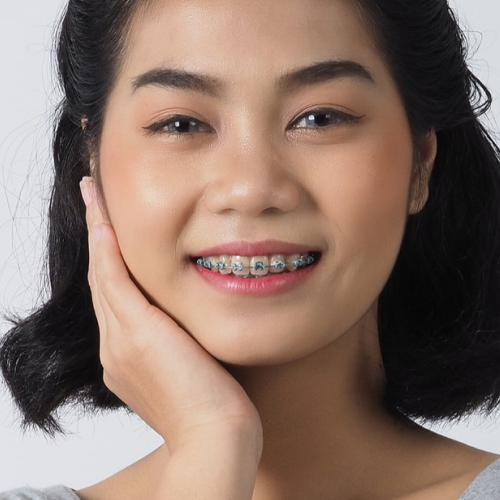
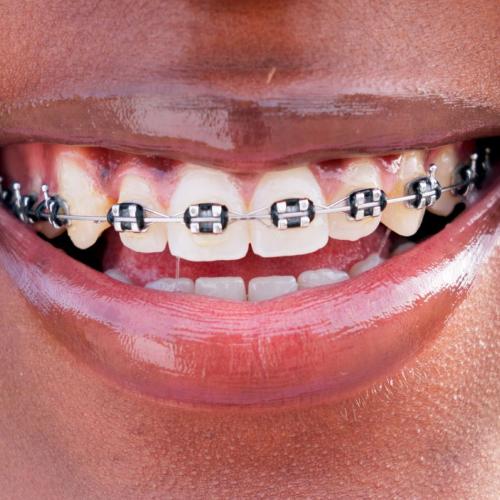
When comparing Invisalign to braces, one of the first questions people ask is which treatment is faster. In many mild to moderate cases, Invisalign can be as fast as or even faster than traditional braces. But there are important nuances to understand.
Why Invisalign can be faster in some cases
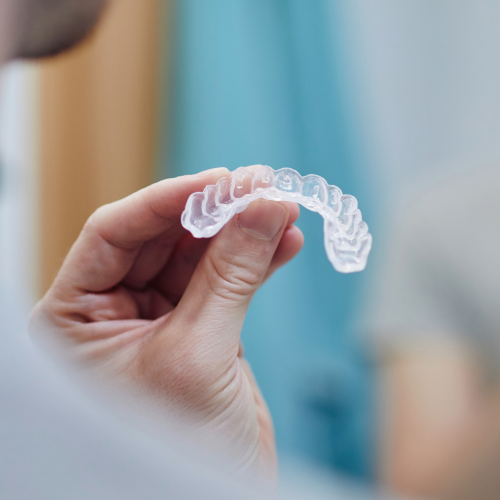
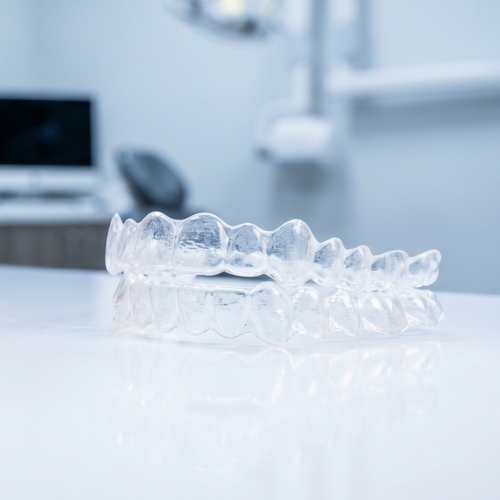
With braces, your orthodontist tightens the wires periodically to move the teeth. Invisalign, on the other hand, uses a series of aligners that are changed out every one to two weeks. Each aligner is pre-programmed to make small, precise adjustments. Because the movements are planned digitally, Invisalign can sometimes move teeth more efficiently, especially for simpler cases.
In addition, Invisalign patients do not have to wait for in-office adjustments to keep their treatment progressing. You simply switch to the next set of aligners at home as instructed. This means your teeth are being guided continuously, which can shorten overall treatment time for many people.
When braces may be faster
For very complex orthodontic cases, such as severe rotations, impacted teeth, or significant jaw discrepancies, traditional braces may work more quickly. Braces allow orthodontists to apply more force and use additional appliances when needed. However, these cases are the exception rather than the rule.
For the majority of adults and teens who need alignment or bite correction, Invisalign provides comparable or even faster results. The key is to have a proper assessment with a dentist experienced in Invisalign treatment to determine which option will give you the best and most efficient results.
Lifestyle also affects speed
One major factor that can make Invisalign faster or slower than braces is lifestyle. Since braces are fixed, they are always working. Invisalign depends on the patient wearing the aligners as instructed. Someone who wears their aligners religiously for 22 hours a day will often finish faster than someone who frequently forgets or removes them for long periods.
At Nu Dentistry Spring, we provide clear instructions and support throughout your treatment to help you stay on track. Many of our patients appreciate the flexibility of Invisalign, and with a little discipline, they often find the timeline surprisingly manageable.
One of the biggest misconceptions about Invisalign is that it only works for mild spacing issues. That may have been somewhat true in the early years, but it is far from the reality today. Modern Invisalign technology, including SmartTrack materials and attachments, can correct a wide range of orthodontic problems, including crowded teeth, overbites, underbites, crossbites, and open bites.
Crowded teeth: Crowded teeth occur when there is not enough room in the jaw for teeth to align properly. Invisalign treats this by gently shifting teeth into better positions, sometimes widening the arch slightly to create space. For mild to moderate crowding, Invisalign is highly effective. For more severe crowding, additional techniques like slenderizing (slightly reducing the width of some teeth) or, in rare cases, extractions may be recommended to make room.
With proper planning, Invisalign can produce excellent alignment even in cases that once required braces.
Overbite: An overbite happens when the upper teeth significantly overlap the lower teeth. Invisalign can fix mild to moderate overbites using elastics and special tooth attachments that guide the bite into a healthier position. In some cases, patients may need additional treatment steps such as small bite ramps built into the aligners to help reposition the jaw.
For very severe skeletal overbites, surgery or braces may still be needed, but for most patients, Invisalign can correct overbites successfully and improve both function and appearance.
Crossbite: A crossbite occurs when one or more upper teeth bite inside the lower teeth. This can happen with front teeth, back teeth, or both. Crossbites can lead to uneven wear, gum recession, and jaw discomfort if left untreated. Invisalign can address many crossbite cases by strategically moving the teeth outward or inward. Attachments or elastics may be used to achieve more complex movements.
Modern technology expands Invisalign’s capabilities
Invisalign has evolved with technology. Features like SmartForce attachments give aligners more grip on the teeth to perform complex movements. Precision cuts allow the use of elastics to correct bite discrepancies. Digital treatment planning makes it possible to predict movements accurately and adjust as needed.
As a result, Invisalign is now a viable option for many cases that would have required traditional braces in the past. At Nu Dentistry Spring, we assess each case individually to determine whether Invisalign will give you the best outcome. In most cases, the answer is yes.
If you have been thinking about straightening your teeth but do not want the look or feel of traditional braces, Invisalign may be the perfect solution. It is clear, comfortable, and effective for a wide range of cases. More importantly, it can give you a straighter, healthier smile without disrupting your lifestyle.
At Nu Dentistry Spring, we have helped many patients achieve beautiful results with Invisalign, and we would love to help you do the same.
Schedule your Invisalign consultation today and take the first step toward the smile you have always wanted.
Fresh news from the dental world
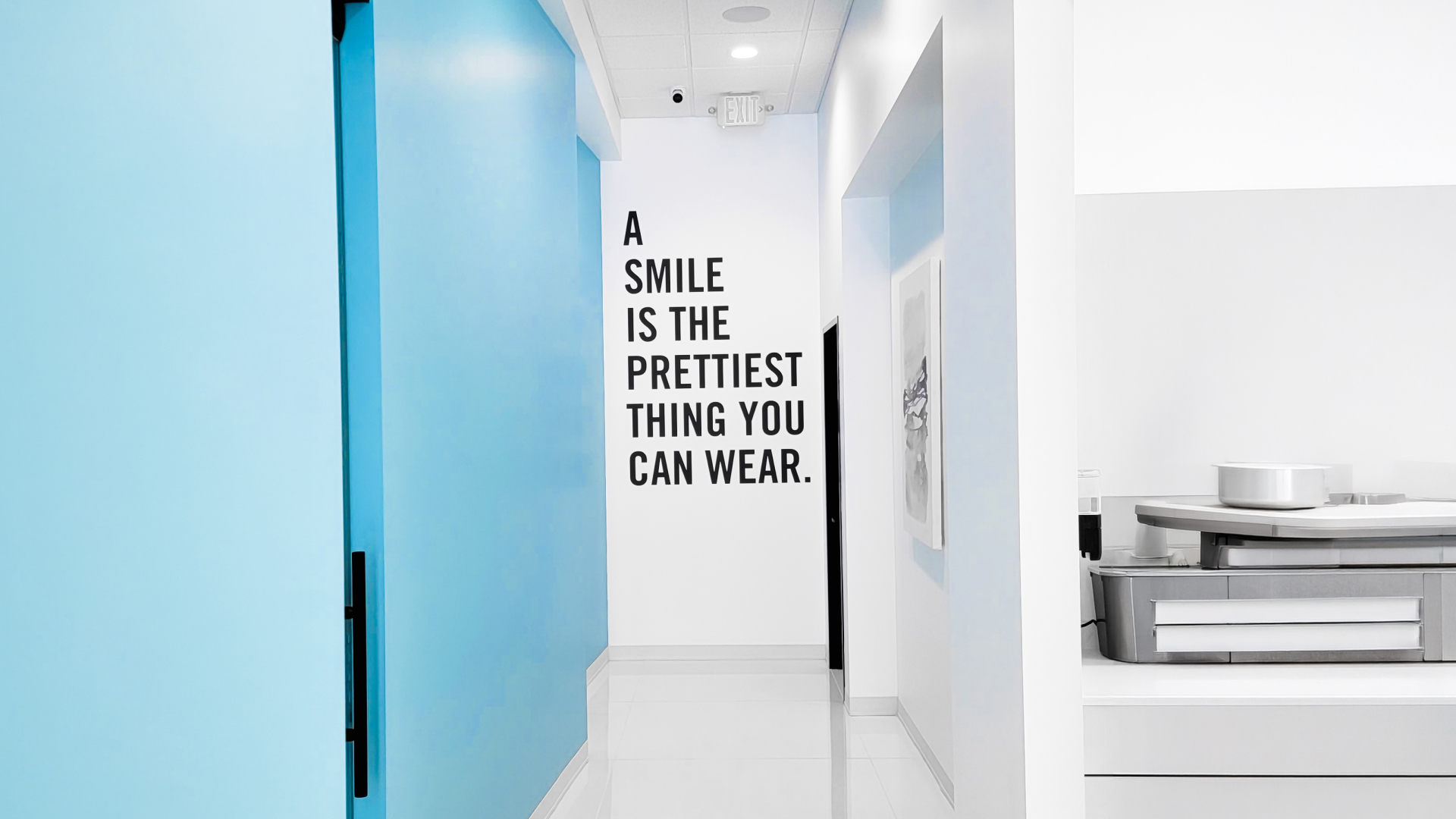
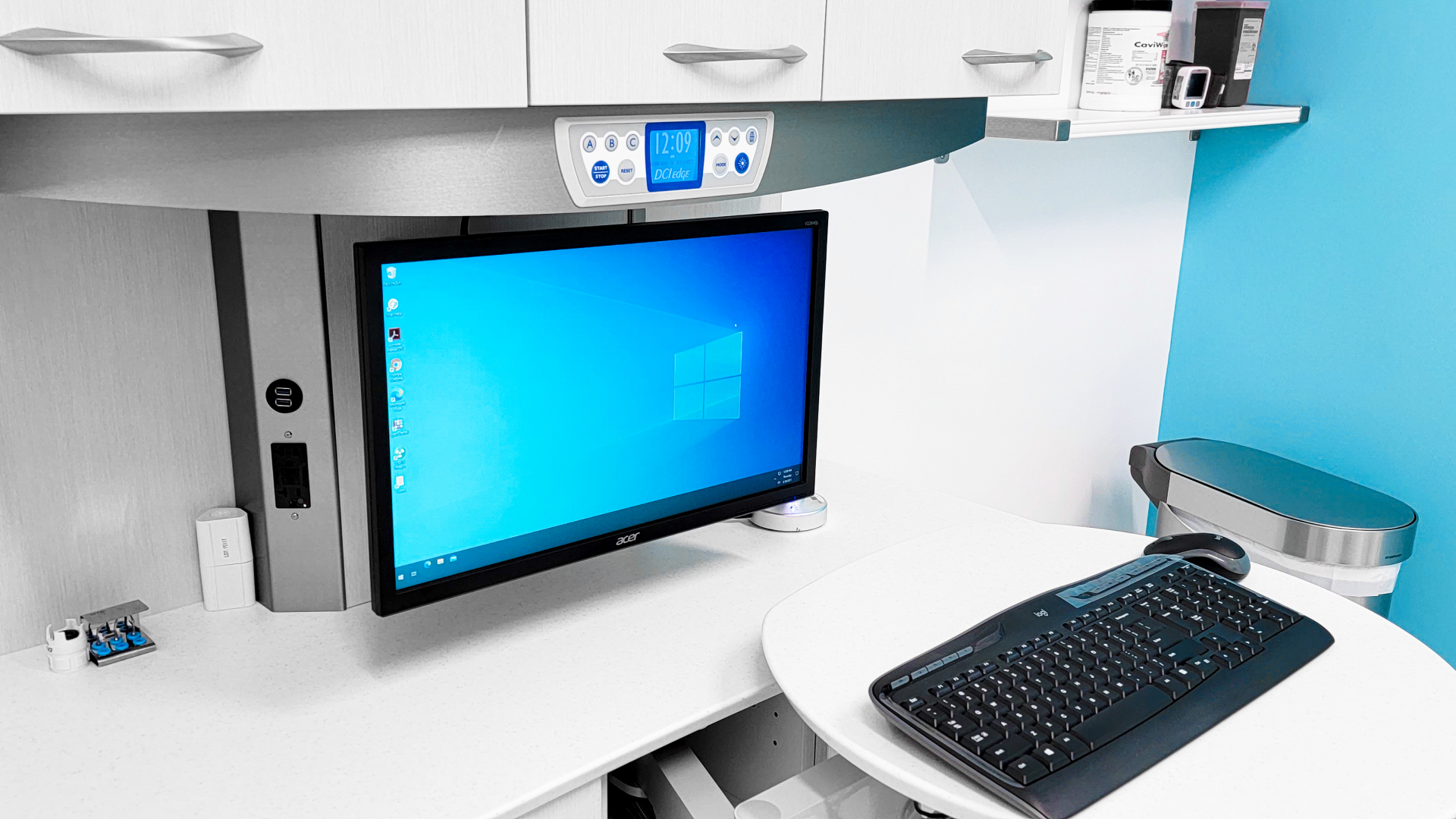
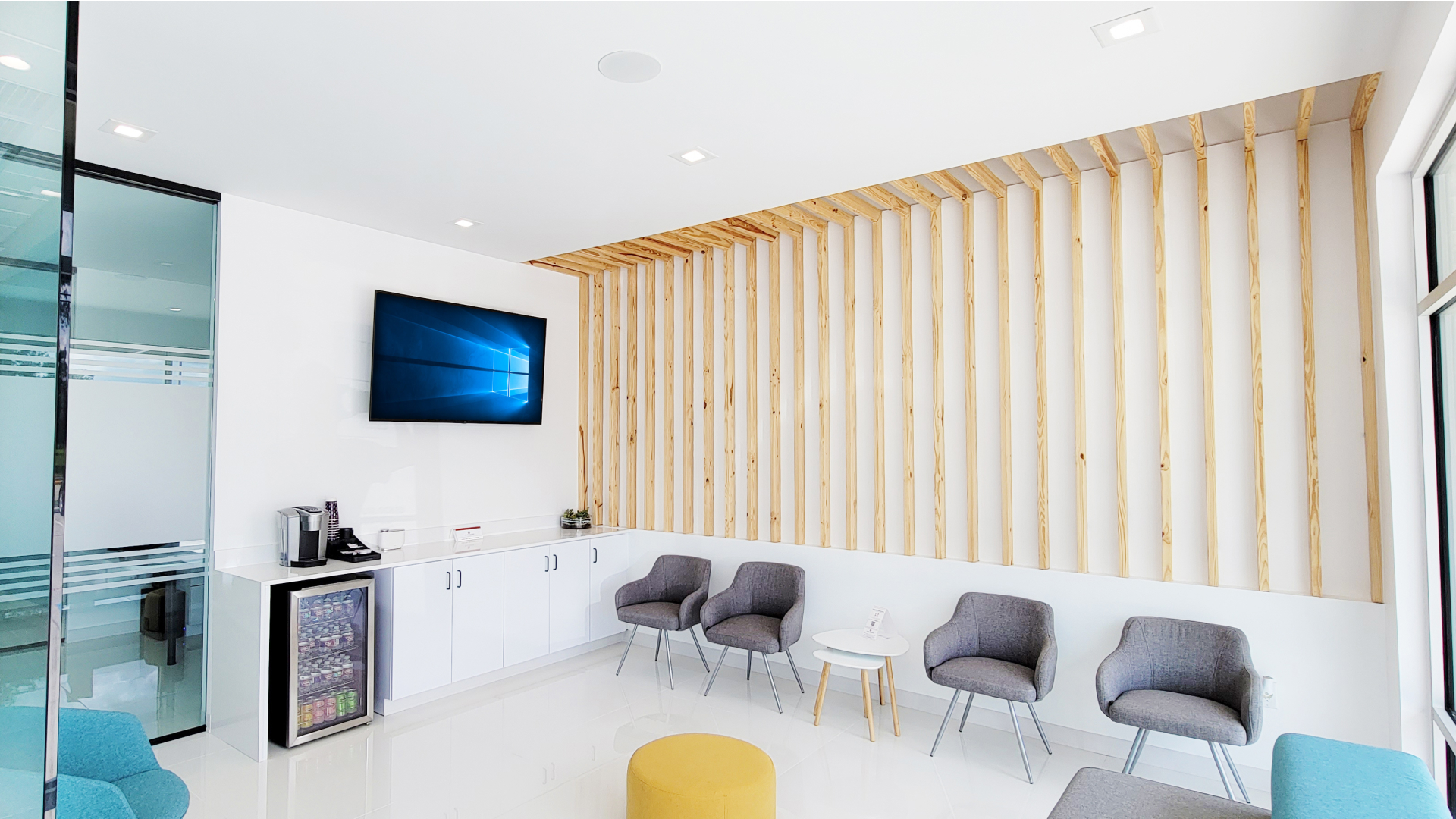
See what a visit to our modern, state-of-the-art dentist office is like!










Sunday Closed
Monday - Friday 9am - 6pm
Saturday 9am - 3pm
Check out what our patients are saying in Spring, TX


“The Best Dentist In Spring”
We have been looking for a family dentist for a long time, we have tried a bunch of places but nothing felt quite like home. Not too long ago we stumbled upon Nu Dentistry and met Dr. Ali. Not only was he professional, kind, and gentle, but he always finds a way to fit us in when we need an appointment. He’s also pretty funny! I appreciate that he takes the time to explain what he’s doing, before he does it. That really puts me at ease.

“Never Thought I'd Say It”
I never thought I’d say it, but going to the dentist is actually fun now. I recently came in for a root canal, and I got to sit back and catch up on Stranger Things without any pain!

“Anxiety Has Kept Me Away ”
I usually have such huge anxiety when I go to a dentist appointment, which means I always put off visits until the last minute to disastrous consequences. However, Dr. Loggins helped me with sedation, so the entire process was a breeze!
“The Best Dentist In Spring”
We have been looking for a family dentist for a long time, we have tried a bunch of places but nothing felt quite like home. Not too long ago we stumbled upon Nu Dentistry and met Dr. Ali. Not only was he professional, kind, and gentle, but he always finds a way to fit us in when we need an appointment. He’s also pretty funny! I appreciate that he takes the time to explain what he’s doing, before he does it. That really puts me at ease.
“Never Thought I'd Say It”
I never thought I’d say it, but going to the dentist is actually fun now. I recently came in for a root canal, and I got to sit back and catch up on Stranger Things without any pain!
We are proud members of these dental organizations and accreditations


We are dedicated to providing you with only the best quality dental care


