Invisalign Trays Not Fitting? A Spring, TX Dentist Explains Gaps, Tracking, and Refinements
Invisalign trays not fitting right in Spring, TX? Learn about tracking, gaps, and refinements. Call Nu Dentistry Spring today.
Read More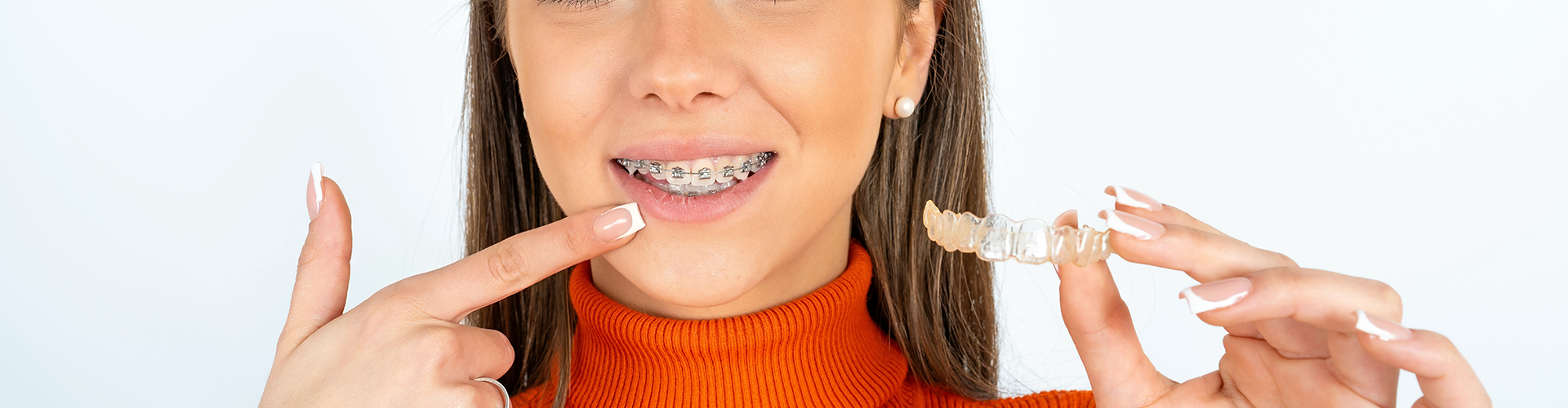
What’s More Comfortable for Your Lifestyle?
Let’s face it, deciding to straighten your teeth isn’t just about achieving that picture-perfect smile. It’s also about how your treatment fits into your day-to-day comfort, social life, eating habits, and even those spontaneous photo ops.
At Nu Dentistry Spring, many patients ask us the same question when they start exploring orthodontic options: Which one will feel better and be easier to live with, Invisalign or traditional braces?
The answer? It depends on what “comfort” and “lifestyle fit” mean to you. Let’s walk through the details so you can choose the option that won’t cramp your style (or your daily routine).
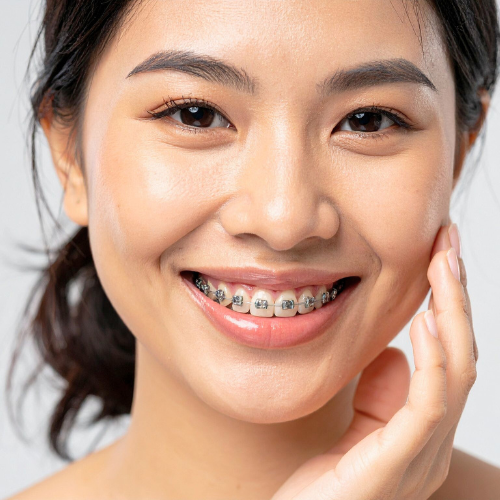
Braces: Reliable but noticeable: Traditional braces have come a long way from the bulky metal brackets you might remember from years past. Today’s designs are smaller, sleeker, and more efficient. Some even offer tooth-colored or clear brackets for a less noticeable look.
Still, there’s no sugarcoating it—braces can cause some discomfort, especially when you first get them or after periodic adjustments. That’s because they work by applying continuous pressure to guide your teeth into the right position.
Here’s what to expect:
For many patients, these sensations become less bothersome over time as they adjust to the braces.
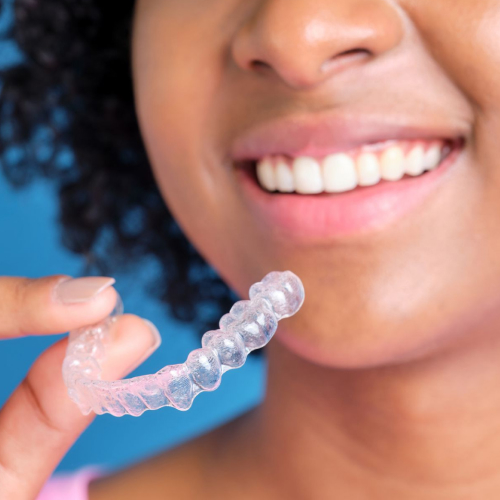
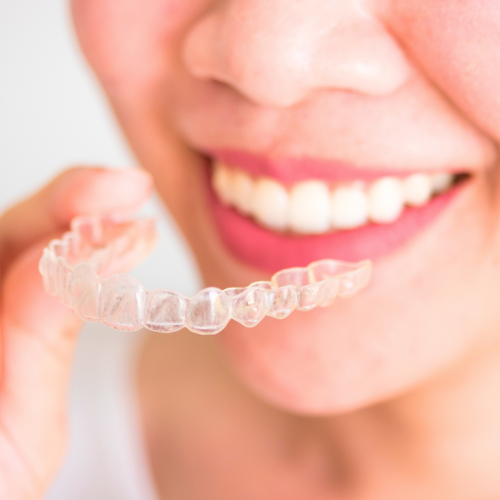
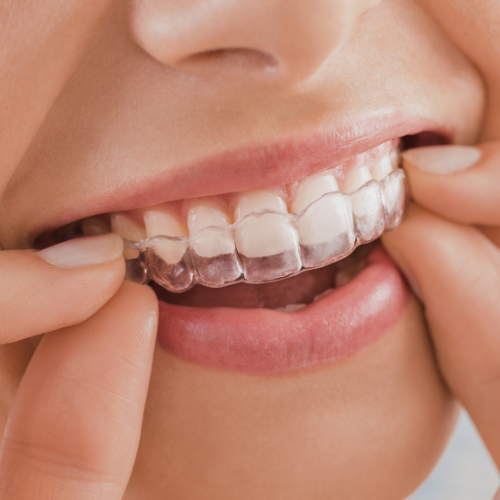
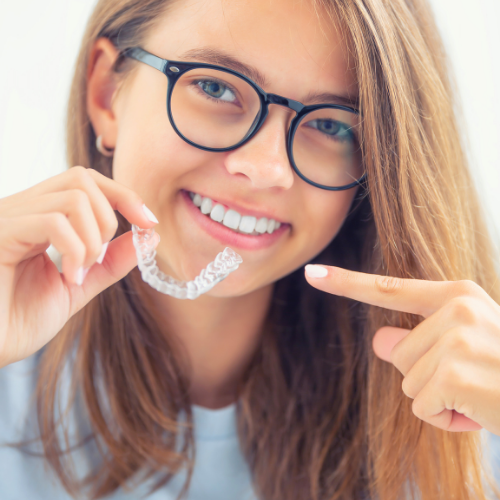
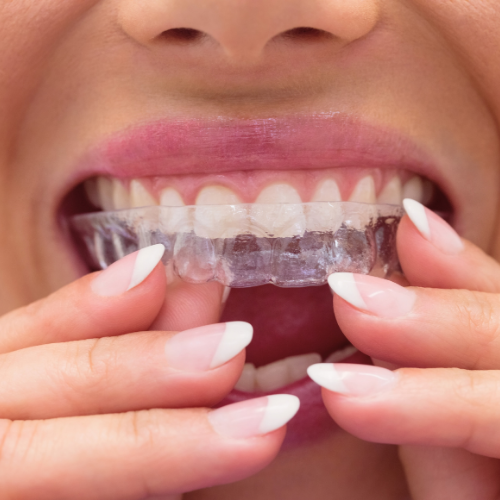
Invisalign: Subtle and smooth: Invisalign aligners are made from smooth, medical-grade plastic custom-molded to fit your teeth. They’re generally praised for being more comfortable than braces, especially after the initial adjustment period when your teeth are getting used to gentle movement.
What patients love:
Some patients notice slight pressure or mild soreness when starting a new aligner, but it’s typically very manageable and short-lived.
Bottom line: If you prioritize day-to-day comfort and minimal irritation, Invisalign usually wins this round. However, some patients don’t mind the initial discomfort of braces, especially if they prefer a treatment option they can “set and forget” without needing to remember to wear aligners.
Braces: Sticky, hard, and chewy foods are off-limits. That means saying goodbye (temporarily) to gum, caramel, popcorn, and crunchy snacks. Even apples and raw veggies need to be cut into small pieces.
Invisalign: No food restrictions—because you remove your aligners when you eat! Just remember to brush your teeth before popping them back in.
Braces: Most people adapt quickly, but you might notice a slight lisp or change in speech early on. This usually fades as you get used to speaking with braces.
Invisalign: Some patients experience a mild lisp for the first few days as they adjust to the aligners. For most, it disappears quickly.
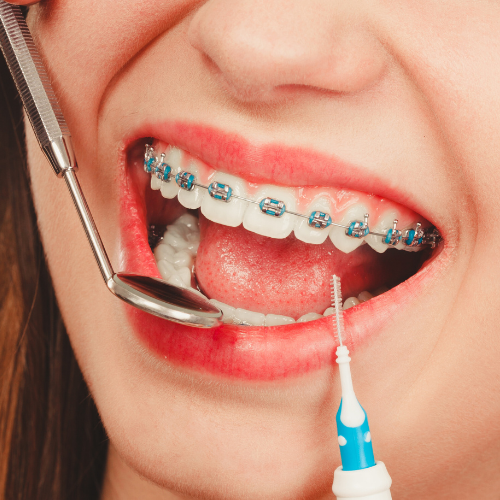
Braces: Your brushing and flossing routine will require a little more effort. Special brushes and floss threaders help clean around brackets and wires.
Invisalign: Brushing and flossing stay simple since you can remove your aligners. But you’ll need to keep them clean and wear them at least 20 to 22 hours a day—no exceptions if you want results.
Pro tip: If you love snacking throughout the day, Invisalign might require a lifestyle tweak. You’ll need to remove your aligners every time you eat or drink anything other than water.
Braces: If you play contact sports, you’ll need to wear a mouthguard to protect your braces and your mouth. Brackets and wires can increase the risk of injury if you take a hit.
Invisalign: Aligners can double as a basic mouthguard for low-contact sports. For high-contact sports, you can simply remove them and wear a protective sports mouthguard instead.
Braces: Since braces are fixed, they’ll be part of your smile in every photo until treatment ends. Some patients choose ceramic braces for a less noticeable look.
Invisalign: Aligners are practically invisible. For big events—think weddings, interviews, or family photos—you can temporarily remove them (just don’t overdo it or it could delay your progress).
Braces: Because they stay put, there’s no risk of losing them during travel. However, you might need to pack wax and an orthodontic kit for emergencies.
Invisalign: Travel-friendly but requires responsibility. Forgetting to pack your aligners or not wearing them consistently can set your treatment back.
Both Invisalign and traditional braces can help you achieve the confident smile you’ve always wanted. But when it comes to everyday comfort and fitting into your lifestyle, Invisalign generally takes the lead for those seeking flexibility, convenience, and a more discreet look.
That said, braces remain a reliable and often more affordable option—especially for complex cases that require precise tooth movements Invisalign can’t always achieve.
If you’re still undecided, don’t worry. That’s what we’re here for.
At Nu Dentistry Spring, we’ll sit down with you, discuss your goals, and help you choose the option that makes the most sense for your smile and your life.
Ready to find your perfect fit? Schedule your consultation with Nu Dentistry Spring today and take the first step toward a smile that feels as good as it looks!
Fresh news from the dental world


See what a visit to our modern, state-of-the-art dentist office is like!






Sunday Closed
Monday - Friday 9am - 6pm
Saturday 9am - 3pm
Check out what our patients are saying in Spring, TX


“The Best Dentist In Spring”
We have been looking for a family dentist for a long time, we have tried a bunch of places but nothing felt quite like home. Not too long ago we stumbled upon Nu Dentistry and met Dr. Ali. Not only was he professional, kind, and gentle, but he always finds a way to fit us in when we need an appointment. He’s also pretty funny! I appreciate that he takes the time to explain what he’s doing, before he does it. That really puts me at ease.

“Never Thought I'd Say It”
I never thought I’d say it, but going to the dentist is actually fun now. I recently came in for a root canal, and I got to sit back and catch up on Stranger Things without any pain!

“Anxiety Has Kept Me Away ”
I usually have such huge anxiety when I go to a dentist appointment, which means I always put off visits until the last minute to disastrous consequences. However, Dr. Loggins helped me with sedation, so the entire process was a breeze!
“The Best Dentist In Spring”
We have been looking for a family dentist for a long time, we have tried a bunch of places but nothing felt quite like home. Not too long ago we stumbled upon Nu Dentistry and met Dr. Ali. Not only was he professional, kind, and gentle, but he always finds a way to fit us in when we need an appointment. He’s also pretty funny! I appreciate that he takes the time to explain what he’s doing, before he does it. That really puts me at ease.
“Never Thought I'd Say It”
I never thought I’d say it, but going to the dentist is actually fun now. I recently came in for a root canal, and I got to sit back and catch up on Stranger Things without any pain!
We are proud members of these dental organizations and accreditations


We are dedicated to providing you with only the best quality dental care


