Straightening your teeth is a journey. For many, Invisalign seems like the dream option: clear, comfortable, and removable. But sometimes, that dream doesn’t quite live up to expectations. Maybe your aligners aren’t tracking as they should, or your bite still feels off after months of wear. Maybe your case turned out to be more complex than you initially thought. Whatever the reason, you’re not alone if you’re thinking about making the switch to traditional braces mid-treatment.
At Nu Dentistry Spring, we’ve helped many patients navigate this exact situation. The good news? You can switch, and often with great results. It just takes the right timing, the right plan, and a clear understanding of what lies ahead.
Let’s take a look at what this switch involves, why some people make it, and how it could impact your treatment timeline.
Why do some patients switch from Invisalign to braces?
There are a few common reasons patients end up pivoting from clear aligners to traditional braces. The most frequent? Invisalign simply isn’t getting the job done.
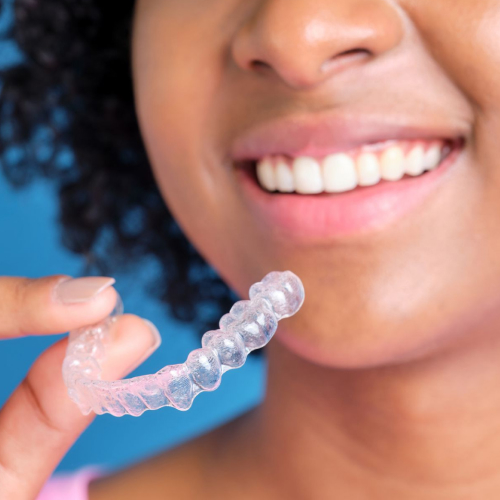
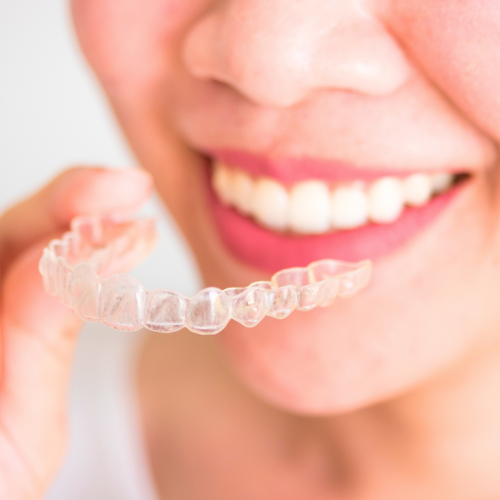
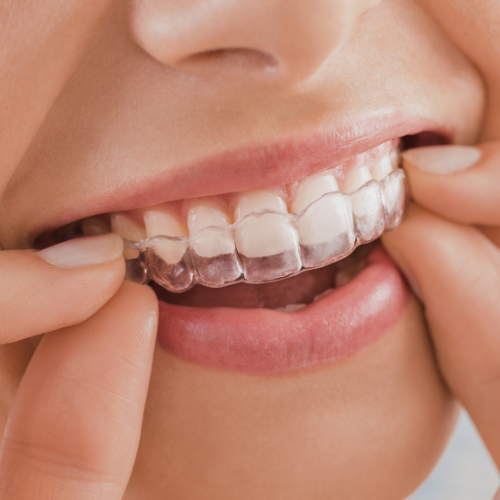
Some patients find that their aligners stop fitting properly before they’re supposed to move on to the next set. Others notice their teeth aren’t shifting in the way they expected—or their bite still feels uneven. Invisalign works well for mild to moderate cases, but if your teeth are more stubborn or your bite issues are complex, braces might be a better fit.
Other reasons people switch include:
- Compliance issues: If you forget to wear your aligners for the recommended 20 to 22 hours a day, it can slow or even reverse progress. Braces remove that variable entirely.
- Increased movement needs: As your smile progresses, your dentist may notice that the movement required is more significant than what Invisalign can comfortably achieve.
- Attachment fatigue: Invisalign treatment often involves the use of attachments (small tooth-colored dots) that help guide movement. Some patients dislike how noticeable or uncomfortable these become over time.
- Speech or comfort issues: While many people adjust well to aligners, others never quite get used to them, especially if they affect speech or cause dry mouth.
In some cases, patients begin their journey with Invisalign knowing they may need to switch to braces later on. This is especially common in teenagers whose dental development is still in progress or adults with complex bite concerns.
No matter the reason, switching doesn’t mean failure—it means adjusting course for the best results possible.
How hard is it to switch from Invisalign to braces?
The process is more straightforward than you might think. At Nu Dentistry Spring, we start by assessing your current progress and determining exactly where your teeth are in their movement. Then we map out what still needs to be achieved and how braces can get us there.
Here’s what the process usually looks like:
1. Consultation and Evaluation:
First, your dentist will review your treatment history, examine your teeth, and take updated scans or X-rays if needed. We’ll evaluate what Invisalign has already accomplished and what adjustments still need to happen.
2. Removal of Attachments:
If you have Invisalign attachments (the small composite buttons on your teeth), they’ll be gently removed before we begin placing brackets.
3. Bracket and Wire Placement:
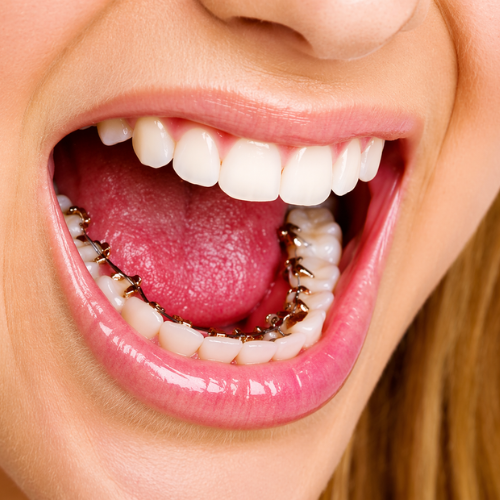
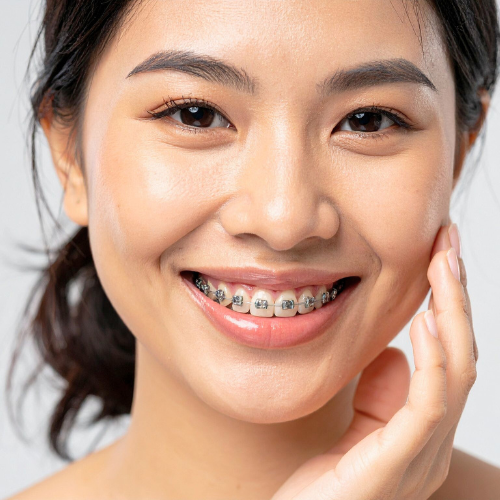
Once we’ve cleaned and prepared your teeth, we’ll place metal or ceramic brackets and connect them with an archwire. The process is quick and generally painless, although your mouth might need a few days to adjust.
4. Continued Monitoring:
You’ll come in regularly to have your braces adjusted as your teeth continue to move. Unlike Invisalign trays, which you switch out on your own, braces rely on in-office tightening to guide the process.
The transition doesn’t usually involve major discomfort, though it can feel like starting fresh in terms of sensation. You may experience some tenderness or pressure during the first few days, just like you did when you began Invisalign.
It’s also worth noting that switching can actually streamline your treatment in some cases. Braces can handle more complex movements more efficiently, especially in areas like molar rotation or deep bite correction.
Will switching affect my treatment time or results?
Switching doesn’t automatically mean you’re extending your timeline—but it might. Every case is different, and how far along you are in your Invisalign journey makes a big difference.
If the clear aligners were working well up to a point and your teeth were already tracking properly, braces may only be needed to fine-tune the final stages. In this case, your total treatment time might stay fairly close to your original estimate.
However, if you’ve had setbacks with aligners—like lack of movement, poor compliance, or relapse—you may need to add several months to your timeline. It all depends on how much correction is still required.
That said, braces are incredibly precise. Because they’re bonded to your teeth and work around the clock without interruption, they often offer a more predictable path forward for complex cases. So even if it takes a little longer, your outcome will likely be more stable and lasting.
In terms of results, many patients actually achieve better outcomes after switching. That’s because braces allow for a wider range of movement and more control over tooth positioning. You’ll still end up with the straight smile you were hoping for, possibly even better than what Invisalign alone could deliver.
Switching Doesn’t Mean Starting Over—It Means Finishing Strong
Choosing to switch from Invisalign to braces is not a step backward. In fact, it could be exactly what you need to finally get the smile you’ve been working toward.
At Nu Dentistry Spring, we’re here to help you figure out what’s best for your teeth, your goals, and your lifestyle. If you’re feeling stuck or disappointed with your aligners, don’t wait to speak up. The sooner we catch it, the smoother the transition can be.
Let’s get your treatment back on track. Schedule an appointment with our team today, and we’ll help you explore your options with care, clarity, and confidence.