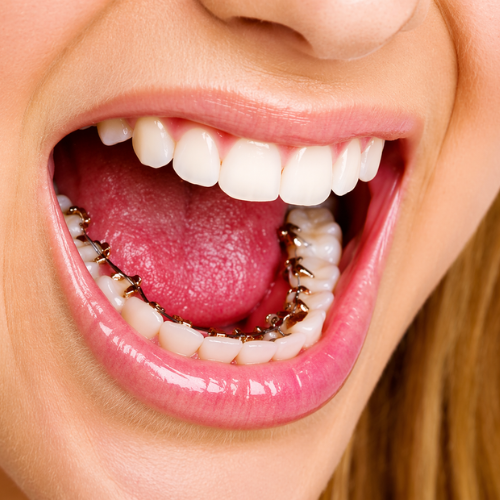
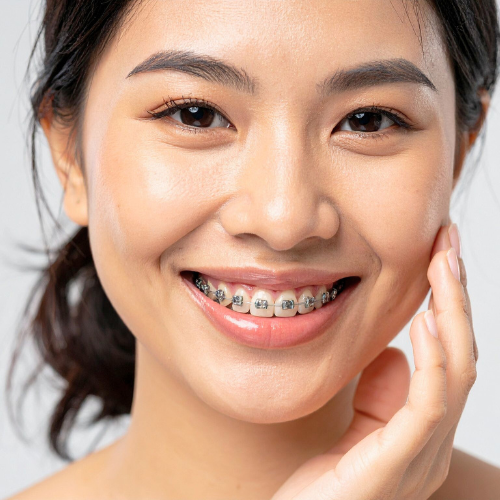
You finally got your braces off. The wires are gone, the brackets removed, and you're loving the smooth surface of your teeth again. The hard part is over, right?
Then a few months, or maybe even years, go by, and something feels off. That once-perfect smile? It’s not looking so straight anymore. Maybe you notice a slight gap where there wasn’t one before, or a tooth that’s suddenly angling inward.
If your teeth have started shifting after braces, you’re not alone. It happens more often than people think, and there’s a reason for it. Actually, there are several. But the good news is, it’s not the end of your orthodontic journey. In fact, it could be the beginning of something even better.
Let’s break down why this happens, what you can do about it, and why addressing it early can save you a lot of hassle (and money) down the road.
What causes teeth to shift after braces?
Your teeth aren’t set in stone, they’re held in place by ligaments and bone, and those can change over time. Here are a few reasons your teeth might start moving after you’ve had braces:
1. You stopped wearing your retainer (or never wore it regularly).
This is probably the most common reason we see. After braces, your orthodontist likely gave you a retainer and told you to wear it regularly, sometimes at night, sometimes full-time, depending on your case. But let’s be honest: it’s easy to forget, misplace it, or just assume you don’t need it anymore.
Unfortunately, that little piece of plastic or wire is doing a lot of work. Without it, your teeth can slowly drift back toward their original positions. It’s called “relapse,” and it’s especially common in the first year after braces.
2. Your jaw is still growing.
If you got your braces during your teen years, your jaw and facial structure may not have fully matured yet. As your bones continue to grow and shift in early adulthood, your teeth may move along with them, even if you’ve been diligent about wearing your retainer.
3. Everyday habits can apply pressure.
Things like nail biting, chewing ice, clenching your jaw, or even sleeping on one side of your face more than the other can put uneven pressure on your teeth. Over time, this can lead to subtle shifts.
4. Natural aging plays a role.
As we age, our bodies change, including our gums and teeth. The arch of your smile can naturally narrow, and teeth may crowd toward the front. It’s part of the aging process, just like wrinkles or grey hairs.
5. Gum disease or bone loss.
If your gums or the bone holding your teeth begin to deteriorate, it creates a less stable foundation. This can cause teeth to shift or become loose. Regular dental checkups can catch this early.
Can Invisalign fix teeth that moved after braces?
Absolutely, and it’s one of the most common treatments we recommend for patients dealing with post-braces shifting.
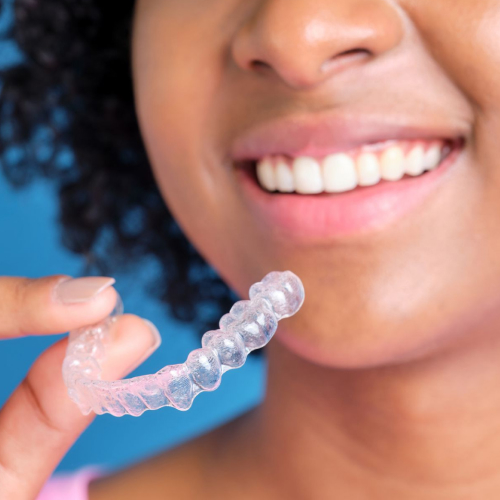
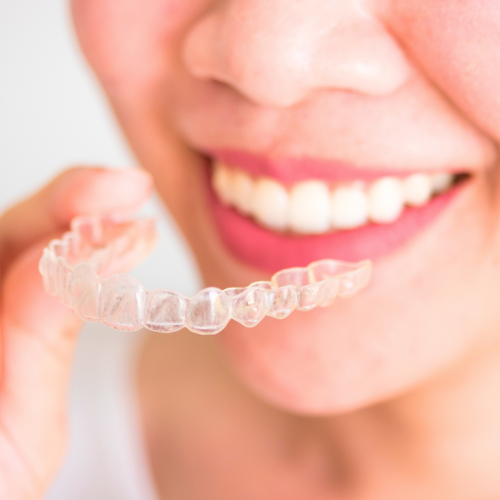
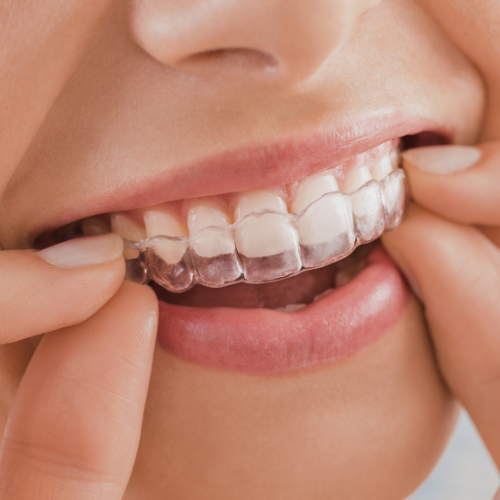
Invisalign is a discreet, effective way to realign teeth that have moved, whether the changes are minor or more noticeable. Here’s why it’s often a great option:
- It’s practically invisible. You won’t have to go through wires and brackets again.
- It’s tailored to your current smile. Even if you had braces before, Invisalign trays are custom-made to fit your mouth as it is today.
- It works fast. In many cases, treatment is quicker than traditional braces, especially for minor corrections.
- It’s comfortable. No poking wires or food restrictions to deal with.
We often see patients who had braces in high school or college, wore their retainers for a while, and then slowly stopped. Years later, they notice crowding or rotation and feel frustrated. Invisalign is often the perfect solution, especially if you want to avoid a second round of metal braces.
Not sure if it’s right for your case? We can assess your smile during a consultation and help you weigh your options.
What happens if I ignore shifting teeth?
It might not seem like a big deal at first, maybe your teeth only moved a little, or the change feels more cosmetic than functional. But over time, even small shifts can lead to bigger issues. Here’s why ignoring it could cause trouble:
1. Alignment problems can get worse.
Crowded or crooked teeth tend to attract more pressure from your bite. That means more wear and tear over time, increasing the risk of chipping, fractures, and even TMJ issues.
2. Cleaning becomes harder.
Teeth that are tightly packed or overlap slightly can trap plaque more easily. This makes brushing and flossing less effective, increasing your risk for cavities, gum disease, and bad breath.
3. Your bite might suffer.
Even minor changes can throw off your bite. If your top and bottom teeth don’t align properly when you chew, it can cause jaw discomfort, headaches, and uneven tooth wear.
4. It can affect your confidence.
Let’s face it, if you invested time and money into getting your smile straight, seeing it shift can be discouraging. Many people who don’t address it early end up regretting it later.
That’s why we always encourage patients to come in as soon as they notice changes. The sooner we catch it, the easier (and less expensive) it is to fix.
So what can I do now?
If your teeth have moved, the first step is to schedule a consultation. We’ll take a look at what’s going on and talk about your goals.
Depending on how much your teeth have shifted, your options might include:
- Wearing a new retainer to stop further movement
- Getting a retainer adjustment if yours doesn’t fit anymore
- Starting Invisalign treatment to gently realign your smile
- Exploring other options like limited braces, depending on your case
The point is, you’re not stuck with a smile that no longer feels like yours. And the fix may be simpler than you think.
You worked hard for your smile. Let’s keep it that way.
At Nu Dentistry Spring, we know how much time and effort goes into orthodontic treatment. If your teeth are shifting after braces, we’re here to help you protect your results and feel confident again.
We’ll walk you through your options, explain everything clearly, and support you every step of the way. Ready to take the next step? Schedule your appointment today.