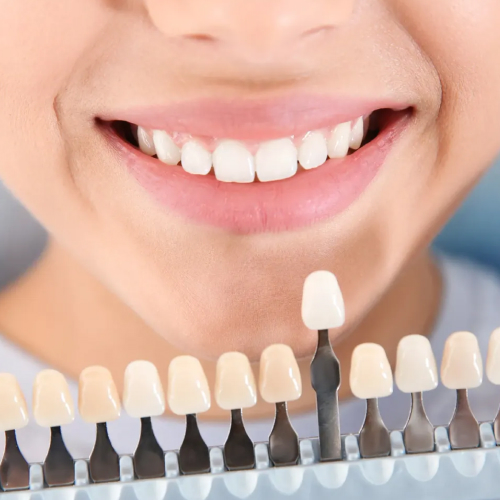
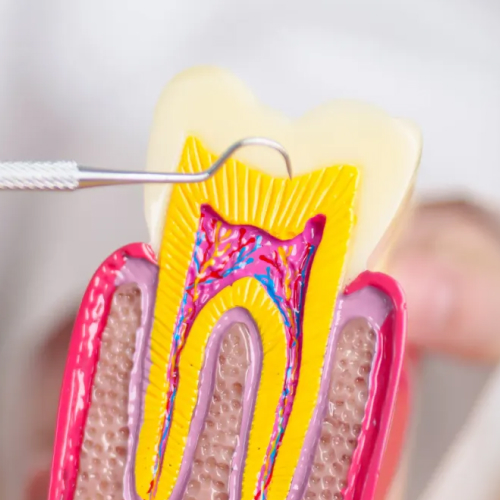
A dental crown is a prosthetic cap that is permanently placed on a damaged tooth to restore its appearance and function. Because of their translucent appearance, porcelain crowns are most commonly used for front tooth restoration. People who have decayed teeth, large fillings, or a tooth that has had a root canal are suitable candidates for porcelain crowns because they want to improve their appearance. When fillings or other restoration treatments fail, dental crowns are an excellent option.
Dental porcelain may be sculpted to closely resemble natural tooth enamel in appearance while also delivering the desired strength and resistance. Because a crown practically replaces the whole exterior area of the tooth down to the gum line, porcelain dental crowns are a great alternative for restoring the shape and function of a broken tooth. Crowns aren't just for restoring the original tooth; they may also be created to improve the aesthetic appeal.
Why Porcelain Dental Crowns?
Porcelain dental crowns restore the function and aesthetics of a tooth by replacing the external section of the tooth. When dental disease has destroyed the majority of the original tooth, a traumatic incident has caused damage, or serious enamel erosion has occurred, crowns are the treatment of choice. They're also a good alternative for folks who grind and clench their teeth so much that their natural structure is affected.
Is A Porcelain Crown Good?
Porcelain crowns have the advantage of being able to not only operate like the original tooth, but also can be fashioned to appear like it or even better. When patients choose a porcelain veneer for cosmetic reasons, they're frequently concealing a fault in the front region of the tooth. A porcelain crown is thicker than a veneer, which is necessary in particular cases. For cosmetic purposes, a porcelain crown can be utilized, however, it's advisable to seek the advice of a dentist.
Do Porcelain Crowns Stain?
Porcelain is a strong and long-lasting material for dental restorations, although it is not indestructible. Unless the porcelain has been damaged, stains will not penetrate the surface of quality porcelain restorations.
· Toothpastes with abrasive ingredients that erode away the porcelain's outer gloss
· Brushing with too much pressure or without using soft bristles toothbrushes might scrape the surface
· Cigarettes include sticky tar and other substances that adhere to the teeth's surface.
· Lemons, tomato-based sauces, and sodas are acidic meals and beverages that wear down the anti-staining resin
· Hard foods, such as hard candies, ice, and extremely crunchy meals, can crack or roughen the porcelain's surface
· Using your teeth on hard non-food objects can break or roughen the porcelain surface
· Alcoholic beverages that soften the bonding resin's surface
The majority of them generate small surface stains that may be readily removed during your routine professional dental cleaning with porcelain polishing. Porcelain that has been damaged and cannot be restored may need to be replaced.
How Long Do Porcelain Crowns Last?
Dental crowns should last roughly 15 years if they are properly cared for. If patients take good care of them, they can survive up to 30 years. Crowns made of porcelain can last anywhere from 5 to 15 years. The lifetime of a crown is determined by a variety of factors, including the amount of wear and tear exerted on the crown, a patient's oral practices, and frequent dental checkups. If you follow these guidelines and look after your dental crown properly, it should last a long time. Every mouth is different, and dental health may be rather complicated. Continue to see your dentist on a regular basis to ensure that you're doing the proper procedures to ensure that your dental crown lasts as long as it can. Some tips to keep in mind for good dental crown maintenance include:
· Brush and floss your teeth on a daily basis to maintain proper oral hygiene.
· Maintain frequent dental checkups to verify that the crown is in good working order.
· If you can, avoid clenching or grinding your teeth. If you know you grind your teeth, a custom-fitted sleep guard can help protect your dental crown and natural teeth.
· Hard candy, ice, fingernails, and other hard items should not be chewed.
What Is The Process For Getting A Dental Crown?
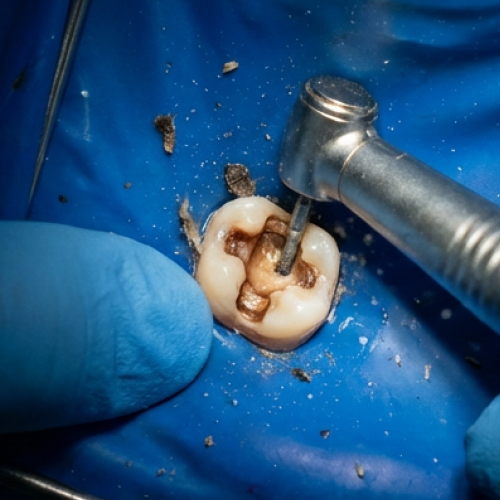
Dental crowns are normally completed in two visits to your dentist. The dentist will prepare your tooth for the crown by removing any decay and the outer area of the tooth during your first appointment. If a tooth's structure has decayed to the point where it can not support the crown, a dentist may need to rebuild it. Your dental staff will next take an imprint of your tooth so that they may create an accurate model for the crown. This may be done using a digital scan or mold. While you wait for the final version to be created, you will be given a temporary crown. Your dentist will place the permanent crown in your mouth, make any necessary modifications, and then cement it into your mouth less than two weeks later–though some dentists have the equipment to produce the crown the same day.
..png)