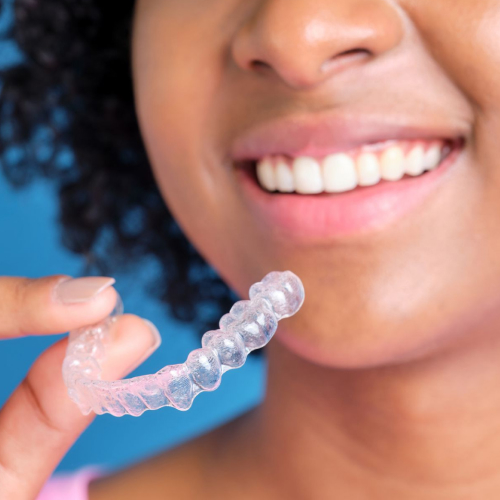
Invisalign Trays Not Fitting? A Spring, TX Dentist Explains Gaps, Tracking, and Refinements
Invisalign trays not fitting right in Spring, TX? Learn about tracking, gaps, and refinements. Call Nu Dentistry Spring today.
Read More
Most people think clear aligners are only about straight teeth and a nicer smile. That is part of it, sure. But the bigger story is how your teeth work together every day.
When your bite is even a little off, you feel it. You might not be able to explain it, but you notice the clenching. The random tenderness in one spot. The way one tooth seems to “hit first” when you close. Or the way floss suddenly starts catching in a gap that never existed before.
Clear aligners can be cosmetic, yes. But for a lot of adults, they are also about getting back to comfort and balance. A bite that closes the way it should. Teeth that are easier to clean. And a smile that looks like you, just more put together.
At Nu Dentistry Spring, we see patients who want subtle, confident straightening, and we also see patients who want their bite to feel normal again. Often, it’s both.
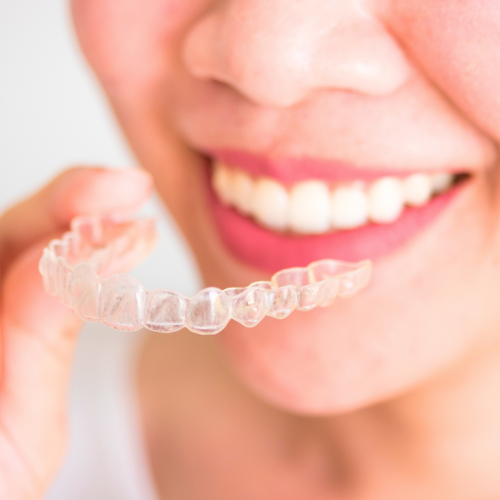
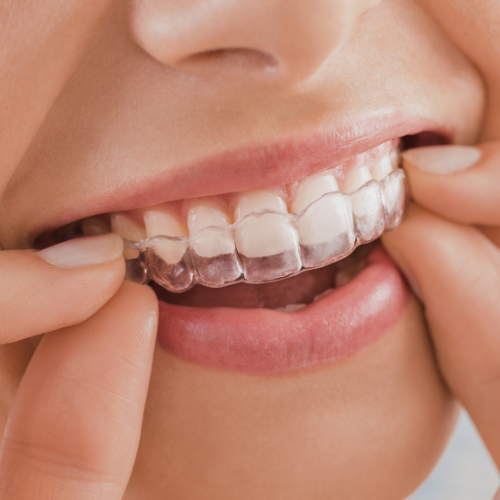
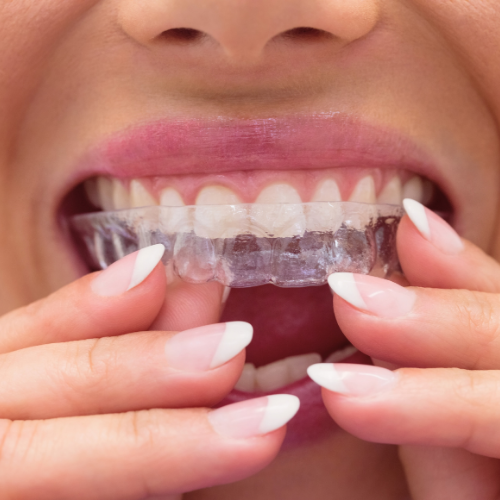
Clear aligners are custom-made trays that guide your teeth into better alignment over time. You wear each set for a period (often 1 to 2 weeks, depending on your plan), and each new tray continues the movement.
Here’s what surprises many people: small shifts can make a big difference. A few millimeters can:
And because aligners are removable, a lot of adults find them easier to live with than they expected.
Clear aligners work best when your plan is truly personalized. That means your trays are based on detailed scans, your bite relationship is evaluated, and the movements are designed to be realistic for your teeth and gums.
People often assume they are “too old” or that their teeth “aren’t bad enough” to consider clear aligners. In reality, clear aligner treatment is often ideal for adults with mild to moderate concerns, and even some more complex cases depending on what’s going on.
You may want to look into clear aligners if you notice:
Cosmetic concerns
Comfort and function concerns
If any of those sound familiar, an evaluation can be surprisingly clarifying. Sometimes the issue is simple. Sometimes it’s a bite imbalance you’ve been compensating for without realizing it.
Sometimes, yes, but it depends on the cause.
After a filling or crown, a bite can feel “off” for a few reasons:
The key is not guessing. If a crown or filling is high, the solution is often a simple bite adjustment, not clear aligners.
But if the real issue is that your teeth are no longer meeting evenly, clear aligners may help by rebalancing the bite and distributing contact more evenly. This can reduce that “one tooth is doing all the work” feeling.
What we look for during an exam:
If you’re feeling that “off” sensation after dental work, don’t just try to live with it. Bite issues can lead to sensitivity, chipping, and jaw strain when ignored.
A sudden tight feeling can be normal, but it should make sense in context.
Here are common reasons aligners feel tighter partway through wearing a tray:
What’s normal:
What’s not normal:
Helpful tip: If a tray feels like it’s not seating properly, use your chewies (if provided) and wear the trays consistently. If it still doesn’t seat or feels painful, call the office. Forcing a tray that isn’t tracking can create problems.
This is a smart question, and it’s one we take seriously.
First, the basics:
Clear aligners do not automatically cause recession or black triangles, but tooth movement can reveal spaces that were already “waiting” under the surface. For example, crowded teeth may hide triangular shapes, and once teeth are aligned, the gum area can look more open.
Factors that increase the risk:
The good news is that we can plan around this.
Depending on your situation, we may recommend:
If your gums are already receding, aligners can still be possible, but your plan needs to be careful and intentional. That is why an in-person evaluation matters more than a generic online impression kit.
The best clear aligner outcomes aren’t just “straighter teeth.” They’re:
If you’ve been thinking about clear aligners, or if your teeth have shifted and your bite no longer feels quite right, it’s worth getting a professional opinion that looks at the full picture, not just the front teeth.
If you want a straighter smile, a more comfortable bite, or both, schedule a consultation at Nu Dentistry Spring. We’ll evaluate your teeth, your bite, and your gum health, then walk you through a clear aligner plan that actually fits your life.
Call Nu Dentistry Spring today or book your appointment to get started.
Fresh news from the dental world



See what a visit to our modern, state-of-the-art dentist office is like!






Sunday Closed
Monday - Friday 9am - 6pm
Saturday 9am - 3pm
Check out what our patients are saying in Spring, TX


“The Best Dentist In Spring”
We have been looking for a family dentist for a long time, we have tried a bunch of places but nothing felt quite like home. Not too long ago we stumbled upon Nu Dentistry and met Dr. Ali. Not only was he professional, kind, and gentle, but he always finds a way to fit us in when we need an appointment. He’s also pretty funny! I appreciate that he takes the time to explain what he’s doing, before he does it. That really puts me at ease.

“Never Thought I'd Say It”
I never thought I’d say it, but going to the dentist is actually fun now. I recently came in for a root canal, and I got to sit back and catch up on Stranger Things without any pain!

“Anxiety Has Kept Me Away ”
I usually have such huge anxiety when I go to a dentist appointment, which means I always put off visits until the last minute to disastrous consequences. However, Dr. Loggins helped me with sedation, so the entire process was a breeze!
“The Best Dentist In Spring”
We have been looking for a family dentist for a long time, we have tried a bunch of places but nothing felt quite like home. Not too long ago we stumbled upon Nu Dentistry and met Dr. Ali. Not only was he professional, kind, and gentle, but he always finds a way to fit us in when we need an appointment. He’s also pretty funny! I appreciate that he takes the time to explain what he’s doing, before he does it. That really puts me at ease.
“Never Thought I'd Say It”
I never thought I’d say it, but going to the dentist is actually fun now. I recently came in for a root canal, and I got to sit back and catch up on Stranger Things without any pain!
We are proud members of these dental organizations and accreditations


We are dedicated to providing you with only the best quality dental care


