Are you feeling nervous about your upcoming wisdom tooth extraction? We understand. The thought of undergoing any kind of dental procedure can be overwhelming, but with the right preparation and care, the process can be smoother and less stressful than you think. In this blog, we'll be taking you through a step-by-step guide to help you prepare for your wisdom tooth extraction. From what to expect during the procedure to how to make your recovery as comfortable as possible, we've got you covered. Whether you're having one wisdom tooth removed or multiple, our goal is to help you feel confident and informed every step of the way.
How Do You Know If a Wisdom Tooth is Impacted?
Wisdom teeth, also known as third molars, often cause problems as they try to emerge from the gum line. When there isn't enough room in the mouth for these teeth to come in properly, they can become impacted, which can lead to pain, swelling, and other oral health issues. So, how do you know if a wisdom tooth is impacted? Here are a few signs to look for:
-
Pain or Swelling in the Back of Your Mouth: If you experience pain or swelling in the back of your mouth, near where your wisdom teeth are located, this may be a sign that a wisdom tooth is becoming impacted.
-
Crowding of Other Teeth: If you notice that your other teeth are becoming crowded or shifting, this may be due to an impacted wisdom tooth putting pressure on them.
-
Tender or Bleeding Gums: If the gum tissue around a wisdom tooth is red, swollen, or tender, this may be a sign of an impacted wisdom tooth. You may also experience bleeding in the area.
-
Bad Breath or Taste in Mouth: An impacted wisdom tooth can cause an infection in the gum tissue, leading to bad breath or a persistent bad taste in your mouth.
If you experience any of these symptoms, it's important to see a dentist as soon as possible. Your dentist will be able to examine your mouth and determine whether a wisdom tooth is causing the problem and recommend the best course of action. In many cases, the best solution is to extract the impacted wisdom tooth, which can alleviate any discomfort and improve your overall oral health.
The Importance of Pre-Procedure Preparation
Before we dive into the details of what to expect during your wisdom tooth extraction, let's first talk about the importance of preparation. Just like with any other medical procedure, taking the time to prepare can make all the difference in ensuring a smooth and successful outcome. From scheduling a pre-operative appointment with your dentist to making arrangements for post-operative care, there are several key steps you can take to help ensure your procedure goes as smoothly as possible.
In this section, we'll discuss why pre-procedure preparation is crucial and outline the essential steps you should take before your wisdom tooth extraction. By taking these steps, you can minimize any anxiety and increase your chances of a successful and stress-free procedure.
-
Schedule a Pre-Operative Appointment: Before your wisdom tooth extraction, schedule a pre-operative appointment with your dentist to discuss any concerns and go over the details of the procedure. This is a great opportunity to ask any questions you may have and make sure you fully understand what to expect.
-
Plan for Post-Operative Care: Wisdom tooth extraction can be an invasive procedure, so it's important to plan for post-operative care in advance. This may involve arranging for someone to drive you home after the procedure, taking time off work to recover, and stocking up on necessary supplies such as pain relievers and ice packs.
-
Follow Pre-Procedure Instructions: Your dentist will likely provide you with specific instructions to follow before the procedure. These may include not eating or drinking anything for a certain period of time before the procedure, avoiding certain medications, and brushing your teeth with a special toothpaste. It's important to follow these instructions carefully to ensure the best possible outcome.
-
Manage Any Medical Conditions: If you have any underlying medical conditions, make sure to inform your dentist before the procedure. This may include conditions such as diabetes, heart disease, or bleeding disorders, which can affect the outcome of the procedure.
What to Expect During the Wisdom Tooth Extraction Procedure
Now that you're well-prepared for your wisdom tooth extraction, let's talk about what you can expect during the actual procedure. Whether you're having one wisdom tooth removed or multiple, the process is generally the same. Here's what you can expect:
Anesthesia: Before the procedure, your dentist will numb the area around your wisdom teeth using local anesthesia, which will ensure you feel no pain during the extraction. If you're having multiple wisdom teeth extracted, or if you have a particularly high level of anxiety, your dentist may also suggest conscious sedation to help you relax.
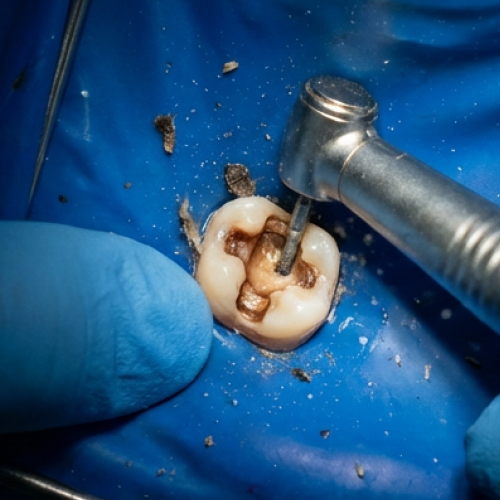
The Extraction: The actual extraction process involves removing the wisdom tooth (or teeth) from its socket in the jawbone. Your dentist will use specialized tools to loosen the tooth and then gently remove it. The entire process usually takes between 30 minutes and an hour, depending on the number of teeth being extracted.
After the Procedure: After the procedure, you'll be given instructions for post-operative care, which may include taking pain medications, avoiding solid foods for a few days, and avoiding activities that could dislodge the blood clot in the extraction site. You'll also be given a follow-up appointment to check on your progress and ensure that your mouth is healing properly.
While wisdom tooth extraction can be a bit uncomfortable, most patients find that the procedure is less painful than they expected. With proper care and attention to post-operative instructions, most patients are able to return to their normal activities within a few days.
Tips for a Comfortable Recovery
Here are some tips to keep in mind to ensure that you have a comfortable recovery:
Pain Management: Take any pain medication as directed by your dentist, and use ice packs to reduce swelling in the first few days after the procedure. You can also take over-the-counter pain relievers such as ibuprofen to help manage any discomfort.
Soft Foods: Avoid solid foods for the first few days after the procedure, and stick to soft, easy-to-chew foods such as soups, purees, and smoothies. As your mouth heals, you can gradually start to eat more solid foods.
Hydration: Drink plenty of water to help keep your mouth hydrated and promote healing. You can also suck on ice chips to soothe any soreness.
Rest: It's important to get plenty of rest after the procedure to allow your mouth to heal properly. Avoid any strenuous activities or exercise for the first few days after the procedure.
By following these tips, you can ensure a smooth and comfortable recovery after your wisdom tooth extraction. If you have any concerns or experience any unusual symptoms, be sure to contact your dentist for further guidance.
In Conclusion
In conclusion, wisdom tooth extraction can be a nerve-wracking experience, but with the right preparation and care, it can be a smooth and successful procedure. By following the tips outlined in this guide, you can minimize any discomfort or complications and ensure that your mouth remains healthy and comfortable. If you have any concerns about your wisdom teeth or oral health in general, be sure to schedule an appointment with our dentist.