You’ve been experiencing pain in your teeth and gums, you find it difficult to chew with certain teeth, and/or you have a persistent headache that just doesn’t go away.
These could be signs and symptoms that signal a tooth abscess. In this blog, we take a deep dive into what this condition is, how it's contracted, how you can prevent it, and finally how it can be treated.
What Is A Tooth Abscess
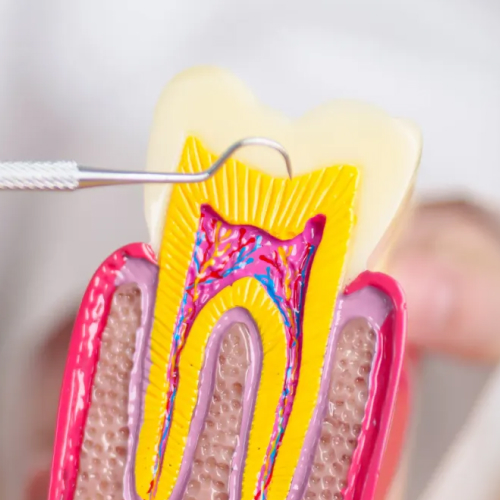
A tooth abscess is a pus-filled pocket that forms on the root of a tooth or in the gums. It is a common dental infection that can occur when bacteria invade the tooth pulp, the soft tissue inside the tooth.
Symptoms of a tooth abscess may include:
- Toothache
- Pain When Chewing
- Swelling and Redness In The Gums
- **Bad Breath, **
- Malaise
How To Prevent A Tooth Abscess
There are a few things you can do to prevent a tooth abscess from forming. First, make sure you brush your teeth twice a day and floss once a day. This will help remove plaque and bacteria from your teeth and gums. You should also visit your dentist for a check-up and cleaning every six months. If you have a cavity, it will need to be treated before it can turn into an abscess.
A rarely talked about way of preventing tooth abscesses is using a fluoride toothpaste. Fluoride helps to harden the tooth enamel and make it more resistant to decay. It also helps to kill bacteria and reduce inflammation. So make sure that your toothpaste has fluoride in it.
Taking Care Of A Tooth Abscess
A tooth abscess is a serious oral health problem that requires prompt treatment from a dentist. If left untreated, an abscessed tooth can cause adverse symptoms and potentially even life-threatening complications.
To treat a tooth abscess, your dentist will first need to drain the infection. This can be done through a number of different methods, including:
- Incision and drainage: In this procedure, your dentist will make a small cut in the infected area to allow the infection to drain out.
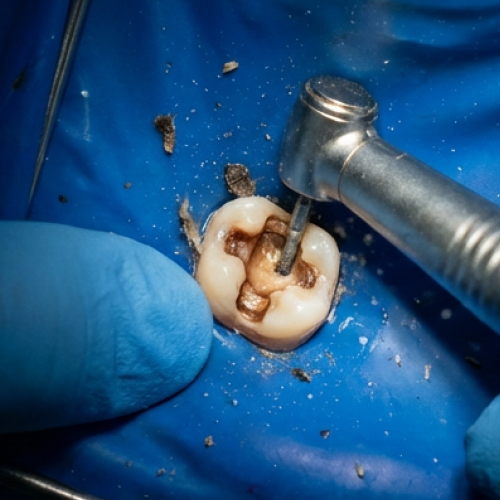
- Root canal: In a root canal, your dentist will remove the infected pulp inside your tooth and clean out the inside of the tooth. This can help to stop the infection from spreading and prevent further damage to your tooth.
- Extraction: In some cases, your dentist may recommend extracting the infected tooth. This is typically only done if the tooth is severely damaged or if other treatments are not effective.
After the infection has been drained, your dentist will likely prescribe antibiotics to help clear the infection. In some cases, you may also need to take over-the-counter pain medication to help manage the pain and swelling.
Unfortunately, in some cases, your dentist may have to remove your entire tooth to prevent the spread of infection and to protect your overall health. That is why it is extremely important that you keep up with your regular dental appointments and that you seek medical help as soon as signs and symptoms are first noticed.
It's important to follow your dentist's instructions carefully and to attend all follow-up appointments. If you're experiencing severe pain or swelling, contact your dentist right away for further instructions.
Oral Surgeon Vs General Dentist
If you are experiencing a tooth abscess, you will obviously need to see a dentist. But which type of dentist will treat your tooth abscess?
An oral surgeon is typically the best option for treating a tooth abscess. They have the experience and training to perform the necessary procedures to treat the abscess. However, if the abscess is not too severe, a general dentist may be able to treat it.
There are many differences between oral surgeons and general dentists. Oral surgeons are surgeons who specialize in surgery of the mouth, jaws, and face, while general dentists are dentists who provide routine dental care. Oral surgeons typically have more training than general dentists, and they are able to perform more complex procedures. Some of the procedures that oral surgeons are able to perform include tooth extractions, wisdom tooth extractions, and dental implants.
However, these treatments can also be given by a general dentist when cases are not too severe.
When choosing between a general dentist and an oral surgeon, you need to do thorough research. Find out how much experience the dentist/oral surgeon has. It also goes without saying that cost plays a big factor in what option you will choose.
At the end of the day, make sure you are making the best decision for your health. As we mentioned earlier, a tooth abscess is a serious medical condition, and only the best treatment can help future complications.
In Conclusion
If you are experiencing a toothache, it is important to see a dentist as soon as possible. The dentist will likely perform a dental exam and may take an x-ray to determine if you have a tooth abscess. If you do have a tooth abscess, the dentist will likely prescribe antibiotics and may need to perform the necessary treatment to stop infection, save your tooth and protect your health.
It should be mentioned that a tooth abscess might have similar symptoms to a gum infection. A tooth abscess affects the root of the tooth causing redness, bleeding and swelling of the gums. Because gum infections also exhibit similar symptoms, you might confuse one for the other. To definitively know what you are suffering from, seek professional dental help.
The earlier you are able to see a qualified dental professional, the better your outcome. With a great dental team, a tooth abscess treatment is quick, effective and painless. At Nu Dentistry Spring, we provide the highest quality dental treatment. So whether you are suffering from a complicated tooth abscess or you need a thorough dental cleaning, our team is ready to care for your oral health needs. You and your family deserve the best dental healthcare possible.