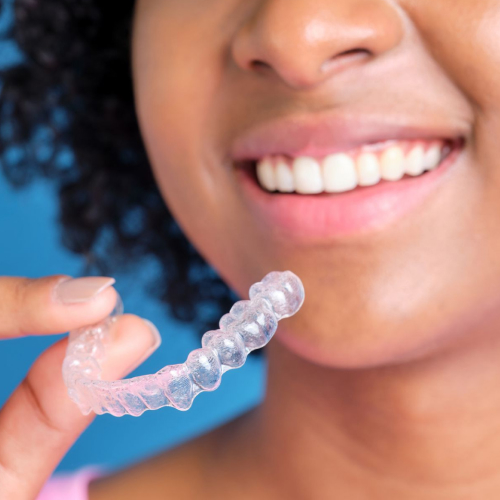
Invisalign Trays Not Fitting? A Spring, TX Dentist Explains Gaps, Tracking, and Refinements
Invisalign trays not fitting right in Spring, TX? Learn about tracking, gaps, and refinements. Call Nu Dentistry Spring today.
Read More
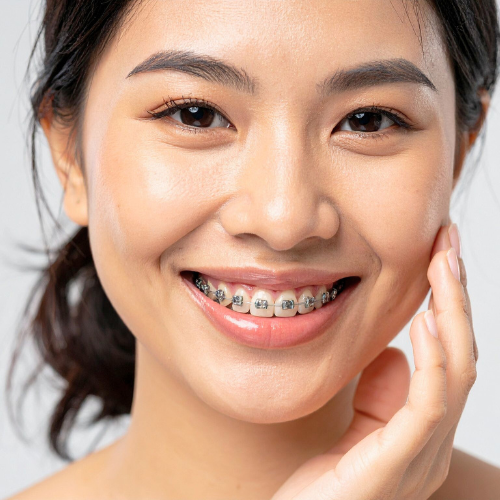
If you are considering braces, you are probably thinking about the end result: straighter teeth, a healthier bite, and a smile that looks like it fits you better. That is the exciting part.
But what most people actually want to know is this: What will daily life feel like while braces are doing their job? Because braces are not just a “before and after.” They are a season of small changes that add up to a big transformation.
In this blog, I will walk you through what it is really like to have braces, how to make the process smoother, and what matters most if you want great results.
Quick reality check (the helpful kind):
Most people do not struggle with braces for the entire treatment. They struggle with the beginning. The first few weeks are when your mouth is learning new rules.
You might notice:
This phase usually passes faster than people expect. Your mouth adapts. Your routine improves. And then braces become… surprisingly normal.
A simple way to make the first two weeks easier:
Braces quietly make you better at dental care, whether you planned on it or not.
You start noticing things you never cared about before:
This is why braces often lead to more than straight teeth. They can improve the health of your gums, your bite, and your long-term maintenance habits, especially if you commit to the process.
Think of braces as a partnership:
When those three pieces are working together, braces do what they are meant to do.
Most people start seeing noticeable changes earlier than they expect, sometimes within the first couple of months. But seeing change and finishing treatment are two different things.
For many patients, braces treatment often takes about 18 to 24 months. Some cases are shorter, and some take longer. The timeline depends on factors like:
Here is what is important: Braces are designed to move teeth gradually for safety and stability. Faster is not always better if it risks root health or relapse later.
Ways people accidentally add time to braces treatment:
If you want braces to work efficiently, your best strategy is boring but effective: show up, keep them intact, and keep everything clean.
Braces do not usually “hurt” every day, but they do cause soreness at certain points because teeth are being moved through gentle pressure.
Most patients feel soreness:
That soreness is often described as a dull ache or tenderness, especially when biting into firm foods.
How long does braces soreness last? For many people, it lasts about 2 to 5 days after a change. It can be shorter, and occasionally it can be a little longer early on.
What helps with braces soreness:
One thing that surprises people: cheeks and lips can feel more irritated than teeth at first. That is normal in the beginning, and it improves as your mouth toughens up and adapts.
If you ever feel sharp pain, a wire poking, or swelling that does not settle, that is not something to push through. Call the clinic so we can fix what needs fixing.
This is the part people think they can “wing” until a bracket pops off and they realize braces have boundaries.
With braces, you are not just protecting the brackets and wires. You are also protecting your enamel from damage and keeping treatment on schedule.
Foods to avoid with braces include:
That does not mean life is over. It just means you eat smarter.
Braces-friendly habits that save you time and stress:
A quick note about drinks: sipping sugary drinks frequently can increase the risk of decalcification, those chalky white spots that can show up around brackets. If you do drink sugary drinks, try to keep it occasional, drink water after, and stay consistent with brushing.
Here is what many people love about braces once they settle in: progress is visible. You may look in the mirror one day and realize your teeth already look different.
But braces are also a commitment. The best results usually come from patients who treat braces like a routine, not a random event that happens to them.
Your top priorities during braces:
A simple daily braces routine that works:
If you want, our team at Nu Dentistry Spring can show you the easiest tools and techniques so your routine does not feel like a whole second job.
Some people worry they will feel awkward with braces. Others worry they will look “too young.” Here is the truth:
Most people look like someone who is investing in themselves. And that reads well.
Also, braces are temporary. The outcome lasts longer than the inconvenience, especially when treatment is done well and properly maintained afterward.
If you have been putting off braces because you are unsure, the best next step is not to overthink it. It is to get a professional opinion on what your teeth and bite actually need.
Braces can be a big decision, but it does not have to feel complicated. At Nu Dentistry Spring, we can evaluate your teeth, your bite, and your goals, then walk you through your best options and a timeline you can feel good about.
Schedule an appointment with Nu Dentistry Spring today and let’s map out what braces could look like for you, from day one to the day you smile and realize it was worth it.
Fresh news from the dental world



See what a visit to our modern, state-of-the-art dentist office is like!







Sunday Closed
Monday - Friday 9am - 6pm
Saturday 9am - 3pm
Check out what our patients are saying in Spring, TX


“The Best Dentist In Spring”
We have been looking for a family dentist for a long time, we have tried a bunch of places but nothing felt quite like home. Not too long ago we stumbled upon Nu Dentistry and met Dr. Ali. Not only was he professional, kind, and gentle, but he always finds a way to fit us in when we need an appointment. He’s also pretty funny! I appreciate that he takes the time to explain what he’s doing, before he does it. That really puts me at ease.

“Never Thought I'd Say It”
I never thought I’d say it, but going to the dentist is actually fun now. I recently came in for a root canal, and I got to sit back and catch up on Stranger Things without any pain!

“Anxiety Has Kept Me Away ”
I usually have such huge anxiety when I go to a dentist appointment, which means I always put off visits until the last minute to disastrous consequences. However, Dr. Loggins helped me with sedation, so the entire process was a breeze!
“The Best Dentist In Spring”
We have been looking for a family dentist for a long time, we have tried a bunch of places but nothing felt quite like home. Not too long ago we stumbled upon Nu Dentistry and met Dr. Ali. Not only was he professional, kind, and gentle, but he always finds a way to fit us in when we need an appointment. He’s also pretty funny! I appreciate that he takes the time to explain what he’s doing, before he does it. That really puts me at ease.
“Never Thought I'd Say It”
I never thought I’d say it, but going to the dentist is actually fun now. I recently came in for a root canal, and I got to sit back and catch up on Stranger Things without any pain!
We are proud members of these dental organizations and accreditations


We are dedicated to providing you with only the best quality dental care


